Cardiac Arrest and Heart Attack Comparison
Know about cardiac arrest and heart attack. Key differences between them, symptoms, what to do during cardiac arrest & heart attack and how to reduce the risk.


Introduction
When it comes to heart-related emergencies, terms like cardiac arrest and heart attack are often used interchangeably, but they are not the same. Both are serious medical conditions, but they affect the heart in different ways. Knowing the difference can help you recognise symptoms early and take life-saving action.
What is a Heart Attack?
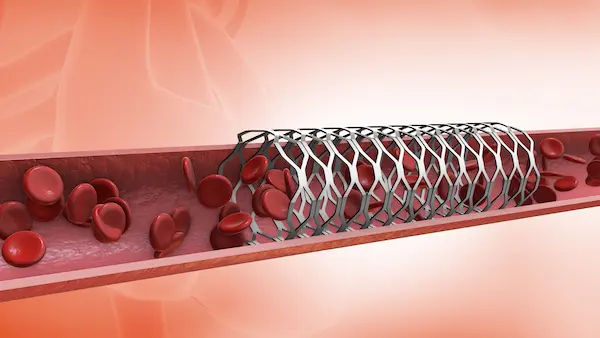
A heart attack (also called a myocardial infarction) occurs when blood flow to a part of the heart is blocked, usually due to a clot in a coronary artery. Without oxygen-rich blood, the heart muscle begins to die.
Symptoms of a Heart Attack
The symptoms of a heart attack include:
- Chest pain or discomfort (often described as pressure, squeezing, or heaviness)
- Pain spreading to the arms, back, neck, jaw, or stomach
- Shortness of breath
- Cold sweat, nausea, or dizziness
- Fatigue or lightheadedness
Note: Symptoms can vary—some people experience mild discomfort, while others have intense pain. Women may also have atypical symptoms like indigestion or extreme fatigue.
What to Do During a Heart Attack?
Things to do during a heart attack:
- Call emergency services immediately (Dial 112 or your local emergency number).
- Chew an aspirin (if not allergic) to help thin the blood.
- Stay calm and rest while waiting for help.
Consult a Cardiologist for Personalised Advice
What is Cardiac Arrest?
Cardiac arrest is a sudden loss of heart function, where the heart stops beating unexpectedly. Unlike a heart attack, which is a circulation problem, cardiac arrest is an electrical problem; the heart’s rhythm becomes chaotic, stopping blood flow to the brain and body.
Symptoms of Cardiac Arrest
The symptoms of cardiac arrest include:
- Sudden collapse
- No pulse or breathing
- Loss of consciousness
- Gasping or no breathing at all
Cardiac arrest can happen without warning and is fatal within minutes if not treated immediately.
What to Do During Cardiac Arrest?
- Call emergency services right away.
- Start CPR (chest compressions) immediately—push hard and fast in the centre of the chest.
- Use an AED (Automated External Defibrillator) if available—it can shock the heart back into rhythm.
Key Differences Between Heart Attack and Cardiac Arrest
Important: A heart attack can sometimes trigger cardiac arrest, but not all cardiac arrests are caused by heart attacks.
How to Reduce Your Risk?
1. Lifestyle Changes
- Eat a heart-healthy diet (fruits, vegetables, whole grains, lean proteins).
- Exercise regularly (30 minutes of moderate activity, 5 days a week).
- Quit smoking and limit alcohol.
- Manage stress (yoga, meditation, deep breathing).
2. Monitor Health Conditions
- Control high blood pressure, cholesterol, and diabetes.
- Get regular check-ups (especially if you have a family history of heart disease).
3. Learn CPR & AED Use
- CPR can double or triple survival chances in cardiac arrest.
- Take a basic life support (BLS) course.
When to See a Doctor?
If you experience:
- Unexplained chest pain
- Shortness of breath
- Irregular heartbeat
- Extreme fatigue
Don’t ignore warning signs—early intervention saves lives.
Final Thoughts
While both heart attack and cardiac arrest are life-threatening, understanding their differences helps in taking the right action. Prevention is key: adopt a heart-healthy lifestyle, stay alert to symptoms, and be prepared to act in an emergency. Your heart’s health is in your hands!
Consult a Cardiologist for Personalised Advice
Consult a Cardiologist for Personalised Advice

Prof. Dr. Vivek Gupta
Cardiologist
25 Years • MD, DM, FESC, FEAPCI, FAPSIC,FCSI, FICC, FIC France, FIEIC, FSCAI
Delhi
Apollo Hospitals Indraprastha, Delhi

Dr. Poorna Pushkala Natarajan
Cardiologist
5 Years • MBBS, AB (INT MED), AB (CARDIOLOGY), AB (HEART FAILURE/TRANSPLANT CARDIOLOGY)
Chennai
Apollo Hospitals Greams Road, Chennai

(50+ Patients)

Dr. Arulnidhi Ayyanathan
Cardiologist
12 Years • MBBS, MRCP, AB, MBA
Chennai
Apollo Hospitals Greams Road, Chennai

Dr. Kartik Pandurang Jadhav
Cardiologist
8 Years • MBBS- Rajiv Gandhi University of Health Sciences MD- INTERNAL MEDICINE- AMRITA INSTITUTE OF MEDICAL SCIENCES, KOCHI DM- INTERVENTIONAL CARDIOLOGY- AMRITA INSTITUTE OF MEDICAL SCIENCES
Hyderguda
Apollo Hospitals Hyderguda, Hyderguda

Dr. Chandra Kumar Singh
Cardiologist
5 Years • DM CARDIOLOGY
Bhopal
Apollo Sage Hospitals, Bhopal
Consult a Cardiologist for Personalised Advice
Prof. Dr. Vivek Gupta
Cardiologist
25 Years • MD, DM, FESC, FEAPCI, FAPSIC,FCSI, FICC, FIC France, FIEIC, FSCAI
Delhi
Apollo Hospitals Indraprastha, Delhi
Dr. Poorna Pushkala Natarajan
Cardiologist
5 Years • MBBS, AB (INT MED), AB (CARDIOLOGY), AB (HEART FAILURE/TRANSPLANT CARDIOLOGY)
Chennai
Apollo Hospitals Greams Road, Chennai
(50+ Patients)
Dr. Arulnidhi Ayyanathan
Cardiologist
12 Years • MBBS, MRCP, AB, MBA
Chennai
Apollo Hospitals Greams Road, Chennai
Dr. Kartik Pandurang Jadhav
Cardiologist
8 Years • MBBS- Rajiv Gandhi University of Health Sciences MD- INTERNAL MEDICINE- AMRITA INSTITUTE OF MEDICAL SCIENCES, KOCHI DM- INTERVENTIONAL CARDIOLOGY- AMRITA INSTITUTE OF MEDICAL SCIENCES
Hyderguda
Apollo Hospitals Hyderguda, Hyderguda
Dr. Chandra Kumar Singh
Cardiologist
5 Years • DM CARDIOLOGY
Bhopal
Apollo Sage Hospitals, Bhopal