Difference Between Heart Attack and Heart Failure
Discover the difference between heart attack and heart failure, including causes, symptoms, and treatment options to better understand these serious heart conditions.

Written by Dr. J T Hema Pratima
Reviewed by Dr. Shaik Abdul Kalam MD (Physician)
Last updated on 13th Jan, 2026
_0.webp?tr=q-80,f-webp,w-350,dpr-2,c-at_max 700w)
Heart health is crucial, and terms like heart attack and heart failure often cause confusion. While both conditions affect the heart, they are different in causes, symptoms, and treatments. Knowing the difference can help you take the right steps for prevention and care.
What is a Heart Attack?
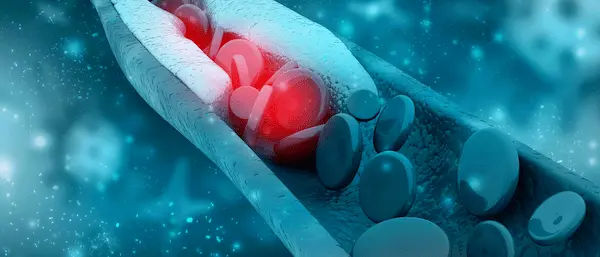
A heart attack (medically called a myocardial infarction) happens when blood flow to a part of the heart is suddenly blocked, usually due to a blood clot. Without oxygen-rich blood, the heart muscle begins to die.
Symptoms of a Heart Attack
Chest pain or discomfort (feeling like pressure, squeezing, or fullness)
Pain spreading to the arm, neck, jaw, or back
Shortness of breath
Cold sweat, nausea, or dizziness
Fatigue or sudden weakness
Note: Some people (especially women) may experience atypical symptoms like indigestion, extreme fatigue, or back pain.
Causes of a Heart Attack
Blocked arteries (due to cholesterol buildup or plaque rupture)
Blood clots
Spasm of a coronary artery (rare)
What Happens During a Heart Attack?
Part of the heart muscle gets damaged due to lack of oxygen.
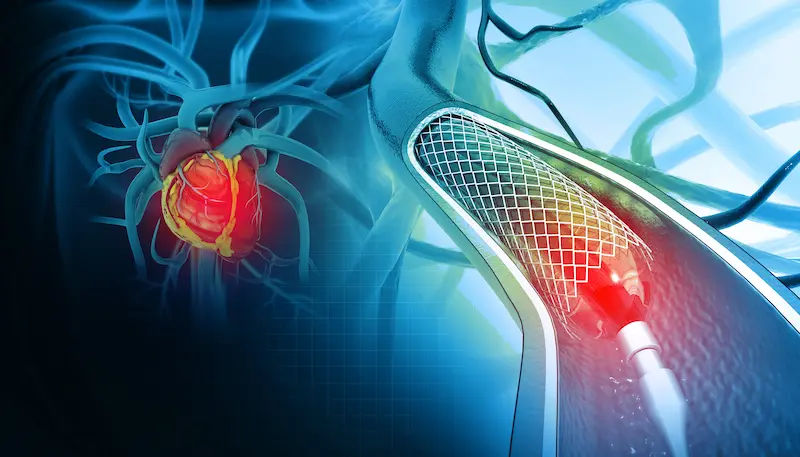
Immediate treatment is needed to restore blood flow (e.g., clot-busting drugs or angioplasty).
If untreated, it can lead to permanent heart damage or death.
Consult Top Specialists
What is Heart Failure?
Heart failure (or congestive heart failure) is a chronic condition where the heart cannot pump blood efficiently. It doesn’t mean the heart stops working, but it struggles to meet the body’s needs.
Symptoms of Heart Failure
Shortness of breath (especially when lying down or exerting)
Swelling in legs, ankles, or feet (oedema)
Persistent fatigue or weakness
Rapid or irregular heartbeat
Coughing or wheezing (due to fluid buildup in lungs)
Causes of Heart Failure
Long-term high blood pressure (forces the heart to work harder)
Coronary artery disease (narrowed arteries weaken the heart)
Previous heart attack (damages heart muscle)
Diabetes, obesity, or chronic kidney disease
Faulty heart valves or arrhythmias
What Happens in Heart Failure?
The heart weakens over time, leading to fluid buildup in the lungs and body.
It’s a progressive condition but can be managed with medications and lifestyle changes.
Key Differences Between Heart Attack and Heart Failure
| Feature | Heart Attack | Heart Failure |
| Nature | Sudden, medical emergency | Chronic, long-term condition |
| Cause | Blocked blood flow to the heart | Weakened or inefficient heart pumping |
| Symptoms | Chest pain, arm/jaw pain, sweating | Shortness of breath, swelling, fatigue |
| Onset | Immediate | Gradual |
| Treatment | Emergency interventions (stents, clot-busters) | Medications, lifestyle changes |
How to Protect Your Heart?
Here are some ways in which you can prevent and manage a heart attack:
Preventing a Heart Attack
Eat a heart-healthy diet (fruits, veggies, whole grains, lean proteins)
Exercise regularly (30 mins of walking daily)
Quit smoking & limit alcohol
Control blood pressure & cholesterol
Manage stress (meditation, yoga)
Managing Heart Failure
Take prescribed medications (diuretics, beta-blockers, ACE inhibitors)
Monitor fluid intake & salt intake (to prevent swelling)
Weigh yourself daily (sudden weight gain may indicate fluid retention)
Stay active but avoid overexertion
Get regular check-ups
When to See a Doctor?
For a heart attack: Call emergency services immediately if you experience chest pain or symptoms.
For heart failure: See a cardiologist if you notice worsening fatigue, swelling, or breathing difficulties.
If you have concerns about your heart health, consult a specialist. You can book a cardiologist consultation or heart health check-up on Apollo 24|7 for expert advice and care.
Conclusion
While both heart attack and heart failure are serious, understanding their differences helps in early detection and proper treatment. A healthy lifestyle, regular check-ups, and prompt medical attention can make a big difference in protecting your heart.
Consult Top Specialists
Consult Top Specialists

Dr. Zulkarnain
General Physician
2 Years • MBBS, PGDM, FFM
Bengaluru
PRESTIGE SHANTHINIKETAN - SOCIETY CLINIC, Bengaluru

Dr. Tripti Deb
Cardiologist
40 Years • MBBS, MD, DM, FACC, FESC
Hyderabad
Apollo Hospitals Jubilee Hills, Hyderabad

Dr. Deepesh Venkatraman
Cardiologist
10 Years • MBBS, MD (Gen Med), DM (Cardio), DNB (Cardio)
Chennai
Apollo Medical Centre Kotturpuram, Chennai

(100+ Patients)

Dr. E Prabhakar Sastry
General Physician/ Internal Medicine Specialist
40 Years • MD(Internal Medicine)
Manikonda Jagir
Apollo Clinic, Manikonda, Manikonda Jagir
(225+ Patients)

Dr. Ranga Reddy B V A
Cardiologist
16 Years • MBBS, MD, DM (Cardio), FSCAI(USA), MBA ADMINISTRATION
Hyderabad
Apollo Hospitals Jubilee Hills, Hyderabad
(400+ Patients)