


Difference Between Heart Attack and Myocardial Infarction
Understand the difference between a heart attack and myocardial infarction. Learn how the terms are related, what causes them, and why early treatment is critical for heart health.

Written by Dr. Siri Nallapu
Reviewed by Dr. Md Yusuf Shareef MBBS, Advanced Certificate Course in Dermatology
Last updated on 13th Jan, 2026

When it comes to heart health, terms like heart attack and myocardial infarction are often used interchangeably. However, while they are closely related, they are not exactly the same. Understanding the difference can help you recognise symptoms early and seek timely medical care.
What is a Heart Attack?
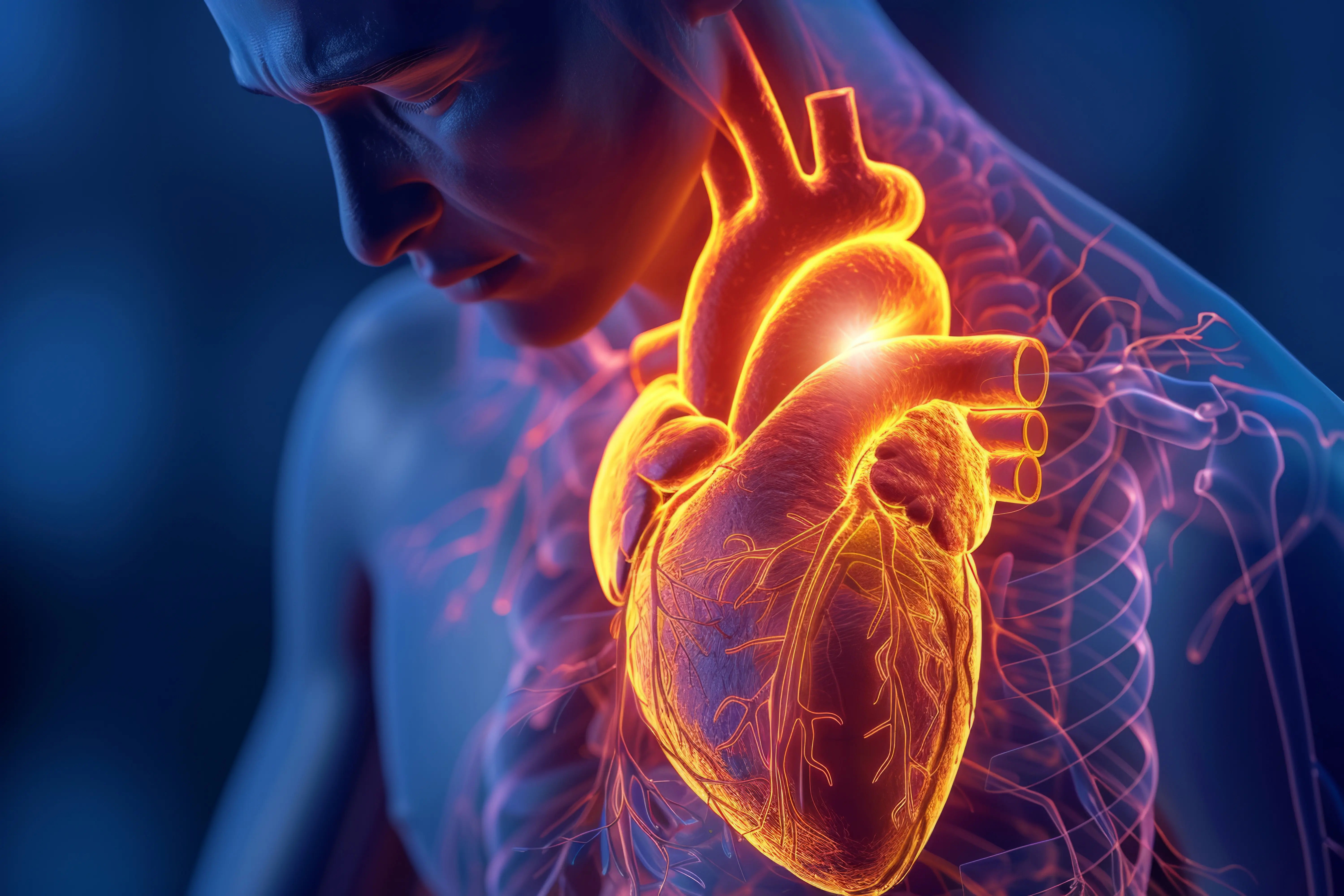
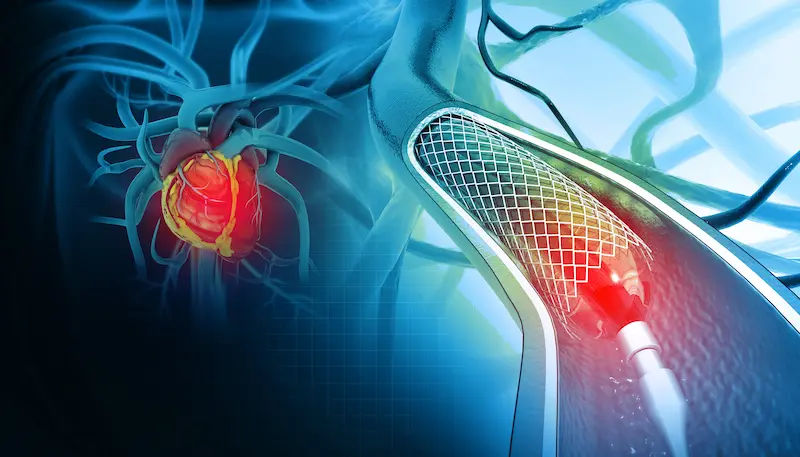
A heart attack (medically known as a myocardial infarction) occurs when blood flow to a part of the heart muscle is blocked, usually due to a blood clot. Without oxygen-rich blood, the affected heart muscle begins to die.
Symptoms of a Heart Attack
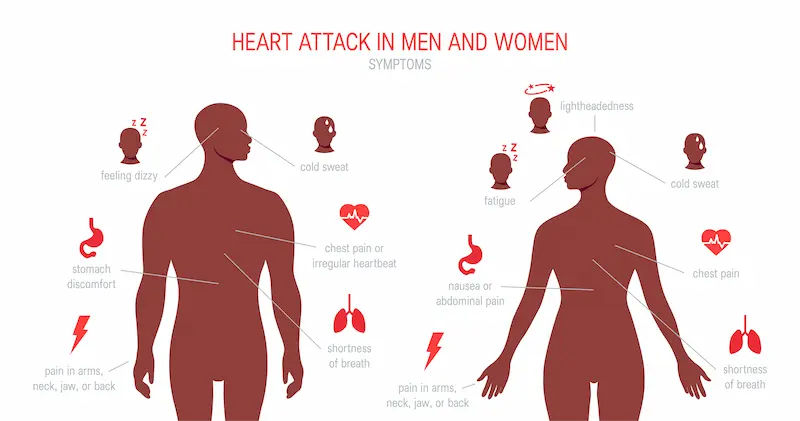
Heart attack symptoms can vary, but common signs include:
- Chest pain or discomfort (often described as pressure, squeezing, or heaviness)
- Pain spreading to the arms, neck, jaw, back, or stomach
- Shortness of breath
- Cold sweat, nausea, or dizziness
- Fatigue or sudden weakness
Note: Some people, especially women, may experience atypical symptoms like indigestion, extreme fatigue, or pain in the upper abdomen.
What is Myocardial Infarction?
Myocardial infarction (MI) is the medical term for a heart attack. It specifically refers to the death of heart muscle tissue due to lack of blood supply.
Types of Myocardial Infarction
1. STEMI (ST-Elevation Myocardial Infarction): A severe type where a major artery is completely blocked.
2. NSTEMI (Non-ST-Elevation Myocardial Infarction): A partial blockage that still damages the heart muscle.
Key Differences Between Heart Attack and Myocardial Infarction
What Causes a Heart Attack or Myocardial Infarction?
The most common cause is coronary artery disease (CAD), where plaque (fatty deposits) builds up in the arteries, narrowing them. A blood clot can then block blood flow, leading to a heart attack.
Risk Factors
- High blood pressure
- High cholesterol
- Diabetes
- Smoking
- Obesity & sedentary lifestyle
- Family history of heart disease
- Stress & excessive alcohol use
How to Prevent a Heart Attack?
Here’s how to prevent or manage a heart attack:
Lifestyle Changes
- Eat a heart-healthy diet (fruits, vegetables, whole grains, lean proteins).
- Exercise regularly (at least 30 minutes daily).
- Quit smoking & limit alcohol.
- Manage stress (yoga, meditation, deep breathing).
Medical Management
- Control blood pressure & cholesterol.
- Take prescribed medications (aspirin, statins, beta-blockers if needed).
- Regular heart check-ups (especially if you have risk factors).
When to Seek Emergency Help?
If you or someone experiences:
- Severe chest pain lasting more than a few minutes
- Difficulty breathing
- Fainting or extreme dizziness
Call emergency services immediately! Quick treatment can save lives.
Need a Heart Check-Up?
If you have risk factors or symptoms, consult a cardiologist. Apollo 24|7 offers:
- Expert cardiology consultations
- ECG, blood tests, and advanced heart scans
- Personalised treatment plans
Book an appointment today and take charge of your heart health!
Conclusion
While heart attack and myocardial infarction are often used similarly, knowing the difference helps in understanding medical reports and treatment options. The key takeaway? Early action saves lives! Pay attention to symptoms, adopt a heart-healthy lifestyle, and seek medical advice when needed.
Consult Top Specialists

Dr. Dayanashre N
General Physician
3 Years • MBBS
Bengaluru
PRESTIGE SHANTHINIKETAN - SOCIETY CLINIC, Bengaluru

Dr. Bhethala Sharan Prakash
General Physician/ Internal Medicine Specialist
5 Years • MBBS MD
Bengaluru
PRESTIGE SHANTHINIKETAN - SOCIETY CLINIC, Bengaluru

Dr. Anand Ravi
General Physician
2 Years • MBBS, FEM
Bengaluru
PRESTIGE SHANTHINIKETAN - SOCIETY CLINIC, Bengaluru

Dr. Arulnidhi Ayyanathan
Cardiologist
12 Years • MBBS, MRCP, AB, MBA
Chennai
Apollo Hospitals Greams Road, Chennai

Dr. Lal Daga
Cardiologist
20 Years • MBBS, DNB [MED], DNB [CARDIO], FESC [INT], MNAMS
Ahmedabad
Apollo Hospitals Gandhinagar, Ahmedabad

_1.webp)