How to Identify a Heart Attack?
Learn how to identify a heart attack by recognising key symptoms like chest pain, shortness of breath, and nausea. Early detection can save lives—know when to seek emergency help.
Written by Dr. Siri Nallapu
Reviewed by Dr. Md Yusuf Shareef MBBS, Advanced Certificate Course in Dermatology
Last updated on 13th Jan, 2026
_3.webp?tr=q-80,f-webp,w-350,dpr-2,c-at_max 700w)
A heart attack is a medical emergency that requires immediate attention. Recognising the signs early can save lives. Unfortunately, many people ignore or misunderstand the symptoms, delaying critical treatment. This article will help you understand how to identify a heart attack, what to do in an emergency, and how to reduce your risk.
What is a Heart Attack?
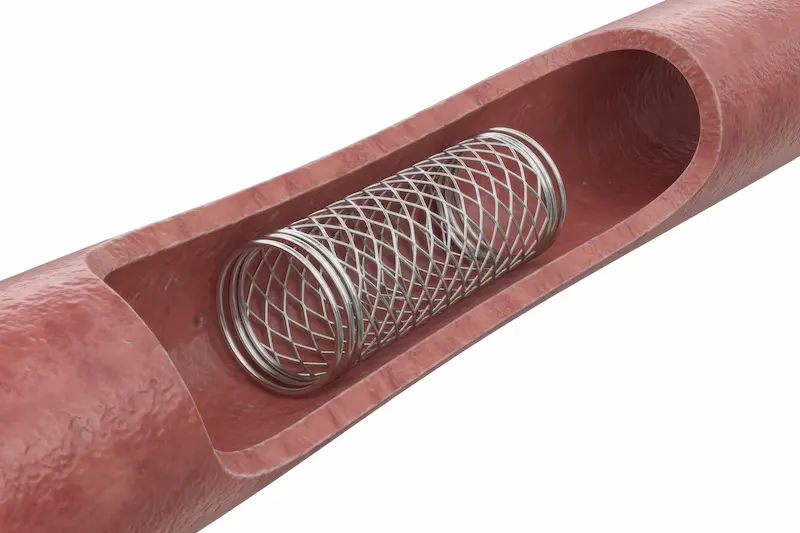
A heart attack (medically known as a myocardial infarction) occurs when blood flow to a part of the heart is blocked, usually due to a blood clot. Without oxygen-rich blood, the heart muscle begins to die. Quick action is crucial to prevent severe damage or death.
Common Signs and Symptoms of a Heart Attack
Heart attack symptoms can vary from person to person. Some people experience sudden, intense pain, while others have mild discomfort that comes and goes. Here are the most common warning signs:
1. Chest Pain or Discomfort
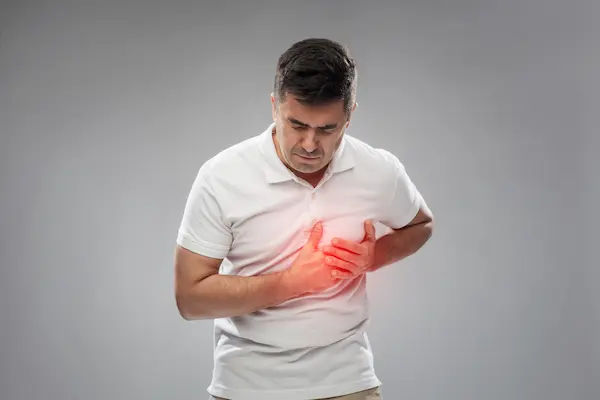
- A feeling of pressure, tightness, squeezing, or heaviness in the chest.
- Pain may spread to the arms (especially the left arm), neck, jaw, back, or stomach.
- Lasts for more than a few minutes or goes away and comes back.
2. Shortness of Breath
- Difficulty breathing, even without chest pain.
- May occur before or along with chest discomfort.
3. Cold Sweat, Nausea, or Lightheadedness
- Sudden sweating, dizziness, or feeling faint.
- Nausea or vomiting, sometimes mistaken for indigestion.
4. Unusual Fatigue
- Extreme tiredness, especially in women, without any obvious reason.
Consult Top Specialists
5. Other Possible Symptoms
- Anxiety or a sense of impending doom.
- Rapid or irregular heartbeat.
Note: Women, older adults, and people with diabetes may experience atypical symptoms, such as:
- Mild chest discomfort.
- Stomach pain or heartburn-like sensations.
- Extreme fatigue without chest pain.
What to Do If You Suspect a Heart Attack?
If you or someone around you shows heart attack symptoms:
1. Call Emergency Services Immediately (Dial 108 or your local emergency number).
2. Chew an Aspirin (if available and not allergic): This can help thin the blood.
3. Stay Calm & Sit or Lie Down: Avoid any physical strain.
4. Perform CPR if Needed: If the person collapses and stops breathing, start chest compressions.
Do NOT:
- Ignore symptoms, hoping they will go away.
- Drive yourself to the hospital.
- Wait more than 5 minutes before calling for help.
Who is at Risk of a Heart Attack?
Certain factors increase the likelihood of a heart attack:
- Age (Men over 45, Women over 55)
- Family history of heart disease
- Smoking or excessive alcohol use
- High blood pressure, cholesterol, or diabetes
- Obesity or a sedentary lifestyle
- Chronic stress or poor diet
How to Reduce Your Risk?
Preventing a heart attack involves healthy lifestyle choices:
1. Eat a Heart-Healthy Diet
- More fruits, vegetables, whole grains, and lean proteins.
2. Stay Active
- Aim for 30 minutes of moderate exercise (walking, cycling) most days.
3. Quit Smoking & Limit Alcohol
- Smoking damages blood vessels; quitting reduces risk significantly.
4. Manage Stress
- Practice relaxation techniques like meditation or deep breathing.
5. Regular Health Check-ups
- Monitor blood pressure, cholesterol, and blood sugar levels.
When to See a Doctor?
If you have risk factors or experience unusual symptoms, consult a doctor. Early detection of heart disease can prevent a heart attack.
Apollo 24|7 offers expert cardiology consultations and heart health tests. You can book an appointment easily online for personalised care.
Conclusion
A heart attack can happen to anyone, but knowing the signs and acting fast can save lives. Listen to your body, prioritise heart health, and seek medical help without delay.
Consult Top Specialists
Consult Top Specialists

Dr. Anand Ravi
General Physician
2 Years • MBBS, FEM
Bengaluru
PRESTIGE SHANTHINIKETAN - SOCIETY CLINIC, Bengaluru
Dr. Vijayachandra Reddy Y
Cardiologist
27 Years • MD, DM, MRCP, FACC, FCSI, CCDS, FSCAI
Chennai
Apollo Hospitals Greams Road, Chennai

(1375+ Patients)

Dr. Diganta Buragohain
Cardiologist
1 Years • "DM (Cardiology) in 2025 from NEIGRIHMS, Shillong MD (General Medicine) in 2020 Gauhati Medical College, MBBS in 2015 from Gauhati Medical College,"
Guwahati
Apollo Excelcare Hospital, Guwahati

Dr. Raman Puri
Cardiologist
29 Years • MD, DM
Delhi
Apollo Hospitals Indraprastha, Delhi

Dr. Premapassan. K
Cardiologist
4 Years • MBBS., MD., DM (Cardiology)
Chennai
Apollo Clinic Velachery(Opp to Phoenix mall), Chennai
Consult Top Specialists
Dr. Anand Ravi
General Physician
2 Years • MBBS, FEM
Bengaluru
PRESTIGE SHANTHINIKETAN - SOCIETY CLINIC, Bengaluru
Dr. Vijayachandra Reddy Y
Cardiologist
27 Years • MD, DM, MRCP, FACC, FCSI, CCDS, FSCAI
Chennai
Apollo Hospitals Greams Road, Chennai
(1375+ Patients)
Dr. Diganta Buragohain
Cardiologist
1 Years • "DM (Cardiology) in 2025 from NEIGRIHMS, Shillong MD (General Medicine) in 2020 Gauhati Medical College, MBBS in 2015 from Gauhati Medical College,"
Guwahati
Apollo Excelcare Hospital, Guwahati
Dr. Raman Puri
Cardiologist
29 Years • MD, DM
Delhi
Apollo Hospitals Indraprastha, Delhi
Dr. Premapassan. K
Cardiologist
4 Years • MBBS., MD., DM (Cardiology)
Chennai
Apollo Clinic Velachery(Opp to Phoenix mall), Chennai
.webp)