Tests Done Before Bypass Surgery
Discover the essential tests performed before bypass surgery (CABG). Learn about ECG, echocardiogram, cardiac cath, blood work, and what these diagnostics reveal for your heart health.
Written by Dr. Mohammed Kamran
Reviewed by Dr. Rohinipriyanka Pondugula MBBS
Last updated on 13th Jan, 2026
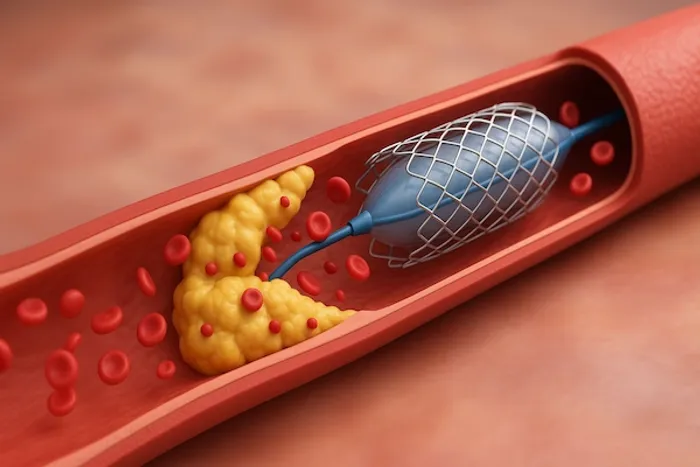
Introduction
If you or a loved one has been advised to undergo bypass surgery, it’s natural to feel anxious. However, understanding the process and the tests required beforehand can help ease your concerns. Bypass surgery is a major procedure, and doctors perform several tests to ensure your body is prepared for it.
This article explains the common tests done before bypass surgery, why they are important, and how you can prepare for them.
Why Are Tests Needed Before Bypass Surgery?
Bypass surgery (also called coronary artery bypass grafting or CABG) is performed to improve blood flow to the heart. Before the surgery, doctors need to assess:
The severity of heart blockages
Your overall health (heart, lungs, kidneys, etc.)
Any risk factors that could complicate surgery
These tests help doctors plan the surgery safely and reduce risks.
Common Tests Before Bypass Surgery
The common tests before bypass surgery include:
1. Blood Tests
Blood tests check for:
Complete Blood Count (CBC) – Checks for anemia or infections.
Kidney & Liver Function Tests – Ensures these organs are working well.
Blood Sugar (Diabetes Screening) – High sugar levels can affect healing.
Cholesterol Levels – High cholesterol increases heart disease risk.
Electrolytes & Clotting Tests – Ensures blood clots normally during surgery.
2. Electrocardiogram (ECG or EKG)
Records heart’s electrical activity.
Detects irregular heartbeats (arrhythmias) or past heart attacks.

3. Echocardiogram (Echo Test)
Uses ultrasound waves to create heart images.
Checks heart function, valve health, and pumping efficiency.
4. Stress Test (Treadmill Test or Nuclear Stress Test)
Measures how your heart works under physical stress.
Helps doctors see if other arteries are blocked.
5. Coronary Angiography (Angiogram)
A special X-ray of heart arteries using dye.
Pinpoints blockages and helps surgeons plan bypass routes.
6. Chest Xray
Checks heart size, lung health, and fluid buildup.
Rules out infections like pneumonia before surgery.
7. Pulmonary Function Test (PFT)
Assesses lung capacity & breathing ability.
Important if you have asthma or COPD.
8. Carotid Doppler Ultrasound
Checks for blockages in neck arteries (carotid arteries).
Prevents stroke risks during surgery.
9. Kidney Function Tests
Since anaesthesia and surgery can affect kidneys, doctors check:
Serum Creatinine
Blood Urea Nitrogen (BUN)
10. COVID-19 & Other Infection Tests
Ensures you don’t have infections that could delay surgery.
Consult Specialists For personalised Tips
How to Prepare for These Tests?
Ways to prepare for these tests are:
Fasting: Some blood tests require 8-12 hours of fasting.
Medications: Inform your doctor about current medications (some may need to be stopped).
Comfortable Clothing: Wear loose clothes for stress tests and angiograms.
Stay Hydrated: Drink water unless instructed otherwise.
What Happens If a Test Shows a Problem?
If any test reveals an issue (like kidney disease, lung problems, or severe blockages), your doctor may:
Adjust medications before surgery.
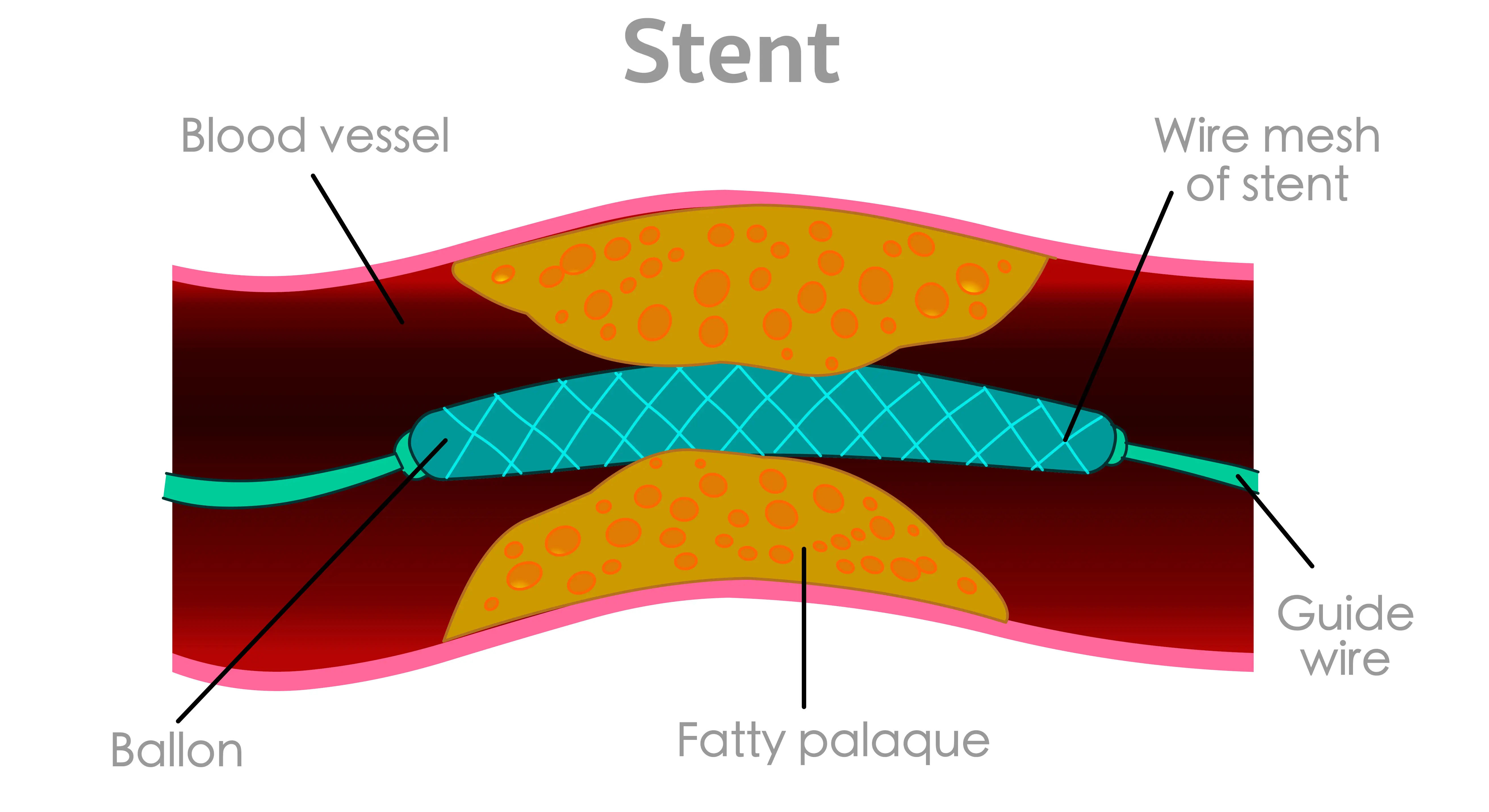
Recommend additional treatments (like stents).
Postpone surgery until other conditions are controlled.
Tips for a Smooth Recovery After Bypass Surgery
The tips for a smooth recovery after bypass surgery are:
1. Follow Pre-Surgery Instructions – Stop smoking, control diabetes, and take prescribed medicines.
2. Eat Heart Healthy Foods – Reduce salt, sugar, and oily foods.
3. Stay Active (As Advised) – Gentle walks help recovery.
4. Attend Cardiac Rehabilitation – Improves heart strength postsurgery.
When to Consult a Doctor?
If you experience:
Severe chest pain
Breathlessness
Dizziness or fainting
Consult a cardiologist immediately.
Final Thoughts
Bypass surgery is a lifesaving procedure, and the tests beforehand ensure it is done safely. By understanding these tests, you can mentally prepare and follow your doctor’s advice for the best outcome. If you need heart health checkups or bypass surgery consultation, you can book an appointment with top cardiologists on Apollo 24|7 for expert guidance.
Consult Top Cardiologists
Consult Specialists For personalised Tips
Dr. Arumugam C
Cardiologist
16 Years • MBBS, MD (Gen. Med.), DM (Cardio)
Chennai
Apollo Speciality Hospitals OMR, Chennai

(125+ Patients)

Dr. Praveen Jaiswal
Cardiologist
17 Years • MD(Medicine), DM(Cardiology)
Indore
Apollo Hospitals Vijay Nagar, Indore
Dr. Somashekar C M
Cardiologist
8 Years • MBBS, MD (Internal Medicine), DM (Cardiology)
Bengaluru
Apollo Hospitals Sheshadripuram, Bengaluru

Dr. Bhethala Sharan Prakash
General Physician/ Internal Medicine Specialist
5 Years • MBBS MD
Bengaluru
PRESTIGE SHANTHINIKETAN - SOCIETY CLINIC, Bengaluru

Dr. Sushith C
General Physician
2 Years • MBBS
Bengaluru
PRESTIGE SHANTHINIKETAN - SOCIETY CLINIC, Bengaluru
Consult Top Cardiologists
Dr. Arumugam C
Cardiologist
16 Years • MBBS, MD (Gen. Med.), DM (Cardio)
Chennai
Apollo Speciality Hospitals OMR, Chennai
(125+ Patients)
Dr. Praveen Jaiswal
Cardiologist
17 Years • MD(Medicine), DM(Cardiology)
Indore
Apollo Hospitals Vijay Nagar, Indore
Dr. Somashekar C M
Cardiologist
8 Years • MBBS, MD (Internal Medicine), DM (Cardiology)
Bengaluru
Apollo Hospitals Sheshadripuram, Bengaluru
Dr. Bhethala Sharan Prakash
General Physician/ Internal Medicine Specialist
5 Years • MBBS MD
Bengaluru
PRESTIGE SHANTHINIKETAN - SOCIETY CLINIC, Bengaluru
Dr. Sushith C
General Physician
2 Years • MBBS
Bengaluru
PRESTIGE SHANTHINIKETAN - SOCIETY CLINIC, Bengaluru