Atrial Septal Defect (ASD): Causes, Symptoms, and Treatment
Learn about Atrial Septal Defect (ASD), a congenital heart condition. Explore its causes, symptoms, types, diagnostic methods, treatment options, and lifestyle adjustments for better heart health and improved quality of life.

Written by Dr. Siri Nallapu
Reviewed by Dr. Rohinipriyanka Pondugula MBBS
Last updated on 6th Mar, 2026

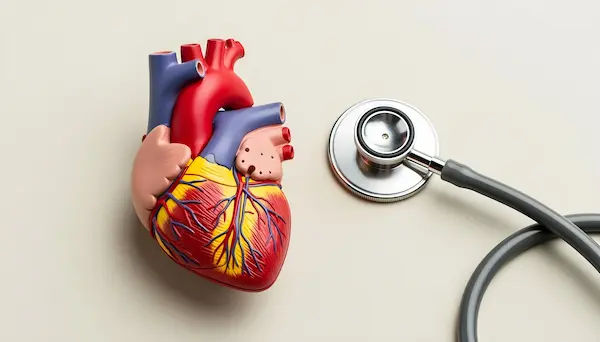
The heart pumps blood throughout the body. This ensures that every cell receives the oxygen and nutrients it needs to function. The efficient function of the heart relies on a healthy structure, including the atrial septum. This is a wall that separates the upper chambers of the heart (atria).
An atrial septal defect (ASD) is a congenital condition where a hole in this wall allows blood to flow between the atria, disrupting normal circulation.
ASD is a congenital heart defect.
Understanding Atrial Septal Defect or ASD
An atrial septal defect (ASD) is a condition characterised by a hole in the atrial septum, the wall that separates the left and right atria. In a healthy heart, oxygen-rich blood from the lungs enters the left atrium and moves to the left ventricle to be pumped to the rest of the body. However, with ASD, blood can flow from the left atrium into the right atrium. This causes an increase in blood flow to the lungs.
It causes strain on the heart over time.
ASD can range from small defects that close on their own during childhood to larger defects that require medical or surgical intervention.
Types of Atrial Septal Defects
ASDs are categorised based on their location in the atrial septum:
Secundum ASD: The most common type, located in the middle part of the atrial septum.
Primum ASD: Found in the lower part of the septum, often associated with other heart abnormalities.
Sinus Venosus ASD: A rare type located near the veins entering the right atrium.
Coronary Sinus ASD: A very rare defect in the coronary sinus area of the heart.
Causes of Atrial Septal Defect
ASD is a congenital condition, meaning it develops during fetal growth. The exact cause is often unknown. But several factors may contribute:
Genetic Factors: Certain genetic conditions, like Down syndrome, increase the likelihood of ASD. A family history of congenital heart defects also raises the risk.
Environmental Influences: Maternal factors, such as infections, alcohol use, smoking, or medication use during pregnancy, can affect heart development.
Other Conditions: Syndromes involving chromosomal abnormalities, like Holt-Oram syndrome, are commonly linked to ASD.
Symptoms of Atrial Septal Defect
The symptoms of ASD depend on the size of the defect and the amount of blood flow between the atria.
Symptoms in Children
Fatigue or difficulty feeding
Slow growth or failure to thrive
Frequent respiratory infections
Symptoms in Adults
Shortness of breath during physical activity
Fatigue and palpitations
Swelling in the legs or abdomen caused by fluid buildup
Heart murmurs detected during a physical exam
In many cases, small ASDs cause no symptoms and may go undetected until adulthood, when complications arise.
Consult Top Doctors For Heart Disease
Complications of Untreated ASD
If left untreated, ASD can lead to serious complications, including:
Pulmonary Hypertension: High blood pressure of lungs caused by increased blood flow
Heart Arrhythmias: Irregular heartbeats, particularly atrial fibrillation.
Stroke: Blood clots that bypass the lungs via the ASD can travel to the brain.
Heart Failure: Over time, the increased workload on the heart can weaken its function.
Diagnosis of ASD
Diagnosing ASD typically involves a combination of physical examination and advanced tests:
Physical Examination: A heart murmur heard through a stethoscope often raises suspicion of ASD.
Echocardiogram: This ultrasound imaging test provides a detailed view of the heart and blood flow, confirming the presence and size of the defect.
Electrocardiogram (ECG): Identifies abnormal heart rhythms that may result from ASD.
Chest X-ray: Can reveal an enlarged heart or increased blood flow in the lungs.
Cardiac MRI or CT Scan: Offers detailed images to assess the heart’s anatomy and blood flow.
Treatment Options for Atrial Septal Defect
The treatment of ASD depends on the size of the defect, the patient’s symptoms, and the presence of complications.
Observation: Small ASDs that cause no symptoms are often monitored through regular check-ups to ensure they do not cause problems over time.
Catheter-Based Closure: For moderate-sized ASDs, a minimally invasive procedure can be performed. A catheter is inserted through a vein and guided to the heart, where a closure device is placed to seal the defect.
Open-Heart Surgery: Large ASDs or defects located in hard-to-reach areas may require surgery. The surgeon repairs the hole with stitches or a patch made of synthetic material or pericardium (heart tissue).
Lifestyle Adjustments for Individuals with ASD
Although medical and surgical treatments are effective, lifestyle modifications can support heart health:
Healthy Diet : Incorporate nutrient-rich foods, including fruits, vegetables, whole grains, and lean proteins in your diet. Avoid excessive salt, sugar, and unhealthy fats.
Regular Exercise: Moderate physical activity can improve heart health. Try walking or swimming 5 times a week. Consult your doctor for exercise recommendations based on your condition
Stress Management: Practises such as yoga, deep breathing, or meditation can effectively reduce stress, which is vital for maintaining heart health.
Avoid Tobacco and Alcohol: Smoking and excessive alcohol consumption can worsen heart conditions
Prognosis for ASD
With timely treatment, the prognosis for ASD is excellent, allowing most patients to lead normal, active lives following successful intervention. However, untreated ASDs can result in long-term complications, underscoring the importance of early diagnosis and management.
Preventing Atrial Septal Defect
While most ASDs cannot be prevented, certain measures can reduce risks:
Prenatal Care: Pregnant women should attend regular prenatal check-ups, maintain a healthy diet, and avoid harmful substances.
Genetic Counseling: Families with a history of congenital heart defects can benefit from genetic counseling to assess risks and plan for future pregnancies.
Folic Acid Intake: Adequate folic acid during pregnancy supports fetal development and may reduce the risk of congenital defects.
Conclusion
Atrial septal defect (ASD) is a common congenital heart defect. It can lead to serious complications if left untreated. However, with advancements in diagnostic tools and treatment options, most individuals with ASD can achieve a good quality of life. Early diagnosis, timely intervention, and appropriate lifestyle adjustments are essential for effectively managing the condition. Regular follow-ups with a healthcare provider ensure that any potential complications are addressed promptly. Understanding ASD empowers patients and families to take proactive steps toward heart health and overall well-being.
Consult Top Doctors For Heart Disease

Dr. Tripti Deb
Cardiologist
40 Years • MBBS, MD, DM, FACC, FESC
Hyderabad
Apollo Hospitals Jubilee Hills, Hyderabad

Dr. Shanmuga Sundaram D
Cardiologist
8 Years • MBBS, MD (GM), DNB Cardio
Chennai
Apollo Speciality Hospitals OMR, Chennai

(50+ Patients)

Dr. Sumanjita Bora
Cardiologist
9 Years • MBBS, PGDCC
Bengaluru
Apollo Clinic, Sarjapur Road, Bengaluru

Dr. Bhethala Sharan Prakash
General Physician/ Internal Medicine Specialist
5 Years • MBBS MD
Bengaluru
PRESTIGE SHANTHINIKETAN - SOCIETY CLINIC, Bengaluru

Dr. Shilpa Jayaprakash
Cardiologist
12 Years • MBBS, MD General Medicine, DM Cardiology
Bengaluru
Apollo Clinic, JP nagar, Bengaluru
Consult Top Cardiologist
Dr. Tripti Deb
Cardiologist
40 Years • MBBS, MD, DM, FACC, FESC
Hyderabad
Apollo Hospitals Jubilee Hills, Hyderabad
Dr. Shanmuga Sundaram D
Cardiologist
8 Years • MBBS, MD (GM), DNB Cardio
Chennai
Apollo Speciality Hospitals OMR, Chennai
(50+ Patients)
Dr. Sumanjita Bora
Cardiologist
9 Years • MBBS, PGDCC
Bengaluru
Apollo Clinic, Sarjapur Road, Bengaluru
Dr. Bhethala Sharan Prakash
General Physician/ Internal Medicine Specialist
5 Years • MBBS MD
Bengaluru
PRESTIGE SHANTHINIKETAN - SOCIETY CLINIC, Bengaluru
Dr. Shilpa Jayaprakash
Cardiologist
12 Years • MBBS, MD General Medicine, DM Cardiology
Bengaluru
Apollo Clinic, JP nagar, Bengaluru