Understanding Heat Rashes
Know what heat rash is, what it is, causes, symptoms and how to treat and prevent it and more.

Written by Dr. Shaik Abdul Kalam
Reviewed by Dr. Rohinipriyanka Pondugula MBBS
Last updated on 13th Jan, 2026
Introduction
Heat rashes, also known as prickly heat or miliaria, are a common skin condition that many people experience, especially during hot and humid weather. While they are usually harmless, they can be uncomfortable and irritating. If you or a loved one has ever dealt with a heat rash, you know how frustrating it can be. But don’t worry—this guide will help you understand what heat rashes are, why they happen, and how to manage them effectively.
What Is a Heat Rash?
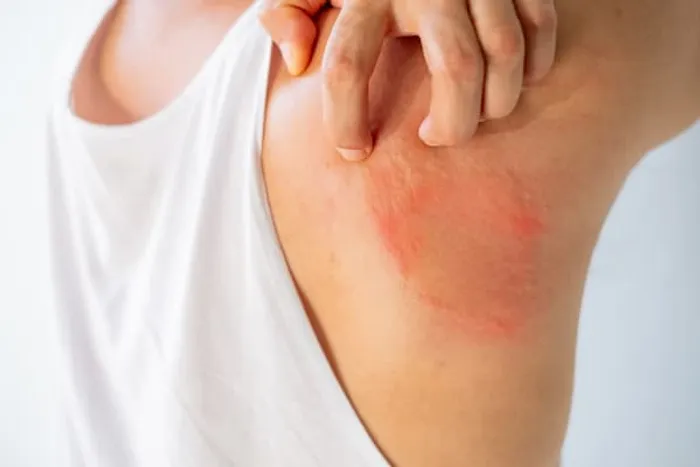
A heat rash occurs when sweat gets trapped under the skin, leading to tiny red bumps, itching, or a prickly sensation. It often appears in areas where sweat accumulates, such as the neck, chest, back, armpits, or skin folds. Heat rashes are more common in babies, young children, and adults who sweat excessively or wear tight clothing.
Consult a General Practitioner for Personalised Advice
What Causes Heat Rashes?
Heat rashes develop when sweat ducts become blocked, preventing sweat from escaping. This can happen due to:
- Hot and humid weather – High temperatures and humidity increase sweating.
- Overdressing – Wearing too many layers or tight, non-breathable fabrics traps sweat.
- Intense physical activity – Heavy sweating during exercise or work can clog sweat ducts.
- Immature sweat ducts (in babies) – Newborns' sweat glands aren’t fully developed, making them more prone to heat rashes.
- Bed rest or prolonged sitting – Lack of airflow can cause sweat buildup.
Symptoms of Heat Rashes
Heat rashes can vary in severity, but common signs include:
- Small red bumps or blisters – Often clustered in sweaty areas.
- Itching or prickly sensation – The rash may feel irritated or sting.
- Mild swelling or inflammation – The affected skin may appear slightly raised.
- Discomfort or tenderness – In some cases, the rash may feel sore.
If the rash becomes infected (with pus, severe pain, or fever), seek medical attention.
How to Treat and Prevent Heat Rashes
The good news is that most heat rashes go away on their own within a few days. However, you can speed up recovery and prevent future outbreaks with these simple tips:
1. Keep Your Skin Cool and Dry
- Stay in a cool, well-ventilated environment.
- Use fans or air conditioning to reduce sweating.
- Take cool showers or baths to soothe irritated skin.
2. Wear Loose, Breathable Clothing
- Choose lightweight, cotton fabrics that allow sweat to evaporate.
- Avoid synthetic materials that trap heat and moisture.
3. Avoid Heavy Creams or Ointments
Thick lotions can block sweat ducts further. Instead, use calamine lotion or aloe vera gel for relief.
4. Stay Hydrated
Drinking plenty of water helps regulate body temperature and reduces excessive sweating.
5. Keep Affected Areas Clean
- Gently wash with mild soap and water to prevent infection.
- Pat dry instead of rubbing to avoid further irritation.
6. Use Over-the-Counter Remedies
Hydrocortisone cream (for severe itching) or antihistamines can help, but consult a doctor before use.
When to See a Doctor?
Most heat rashes resolve without medical treatment. However, consult a healthcare provider if:
- The rash lasts more than a few days.
- It becomes infected (pus, swelling, or fever).
- You experience severe pain or discomfort.
If you're unsure about your symptoms, Apollo 24|7 offers convenient online consultations with dermatologists who can guide you on the best treatment.
Final Thoughts
Heat rashes may be uncomfortable, but they’re usually temporary and preventable. By staying cool, wearing breathable clothing, and keeping your skin dry, you can minimise discomfort and avoid future flare-ups. If symptoms persist or worsen, don’t hesitate to seek medical advice.
Consult a General Practitioner for Personalised Advice
Consult a General Practitioner for Personalised Advice

Ms. Soma Saha
clinical nutrition
17 Years • B.Sc. - Home Science (Food & Nutrition), M.Sc. - Home Science (Food & Nutrition)
Kolkata
Dr Utsa Basu Clinic, Kolkata

(50+ Patients)

Ms. Samapti Maity
Dietician
16 Years • MSc. (Clinical Nutrition & Dietitics), NDEP, Course in Maternal Infant Young Child Nutrition.Diploma in Sports Nutrition, Diploma in Diabetic educator, FODMAP Specialist
Kolkata
BIENETRE CLINIC, Kolkata

Dr Sumanth R
General Physician
2 Years • MBBS
Bengaluru
PRESTIGE SHANTHINIKETAN - SOCIETY CLINIC, Bengaluru

Ms. Sushma Jaiswal
Dietician
42 Years • M.Sc.(Food & Nutrition)
Bengaluru
Swasthya Nutrition, Bengaluru

Dt. Ila Sharma
Clinical Nutritionist
18 Years • Master in food & Nutrition
Gurugram
VIPUL GREENS - SOCIETY CLINIC, Gurugram
Consult a General Practitioner for Personalised Advice
Ms. Soma Saha
clinical nutrition
17 Years • B.Sc. - Home Science (Food & Nutrition), M.Sc. - Home Science (Food & Nutrition)
Kolkata
Dr Utsa Basu Clinic, Kolkata
(50+ Patients)
Ms. Samapti Maity
Dietician
16 Years • MSc. (Clinical Nutrition & Dietitics), NDEP, Course in Maternal Infant Young Child Nutrition.Diploma in Sports Nutrition, Diploma in Diabetic educator, FODMAP Specialist
Kolkata
BIENETRE CLINIC, Kolkata
Dr Sumanth R
General Physician
2 Years • MBBS
Bengaluru
PRESTIGE SHANTHINIKETAN - SOCIETY CLINIC, Bengaluru
Ms. Sushma Jaiswal
Dietician
42 Years • M.Sc.(Food & Nutrition)
Bengaluru
Swasthya Nutrition, Bengaluru
Dt. Ila Sharma
Clinical Nutritionist
18 Years • Master in food & Nutrition
Gurugram
VIPUL GREENS - SOCIETY CLINIC, Gurugram
Consult a General Practitioner for Personalised Advice

Dr. Rajib Ghose
General Physician/ Internal Medicine Specialist
25 Years • MBBS
East Midnapore
VIVEKANANDA SEBA SADAN, East Midnapore


Dr. Mohammed Kamran
General Practitioner
5 Years • MBBS, FIDM
Nashik
Apollo 24|7 Clinic - Maharashtra, Nashik

Dr. Shaik Abdul Kalam
General Practitioner
3 Years • MD (Physician)
Visakhapatnam
Apollo 24|7 Clinic - Andhra Pradesh, Visakhapatnam
(225+ Patients)

Dr. Venkatesh Billakanti B V Rao
General Physician/ Internal Medicine Specialist
15 Years • M.D ( GENERAL MEDICINE), M.V.J MEDICAL COLLEGE – HOSKOTE, BANGALORE,KARNATAKA ,M.B.B.S – MEDICITY INST OF EDICAL SCIENCES – T.G , F.I.C.M – CRITICAL CARE – APOLLO JUBLI HILLS ,CCMBE – ONLINE COURSE ON ANTIBIOTIC STEWRDSHIP
Hyderabad
Apollo Hospitals Financial District, Hyderabad
Dr Josephin Antoniammal J
General Physician/ Internal Medicine Specialist
7 Years • MBBS.,MD(Gen Med).,DNB(Gen Med).,MBBS-St.John's Medical College M.D-General Medicine-St.John's Medical College DNB-General Medicine-National Bpard of Examinations,New Delhi
Madurai
Apollo Speciality Hospitals KK Nagar, Madurai