



Low BP: Best Home Remedies
Learn safe, effective, low blood pressure remedies. Hydration, small meals, compression, and more. Know when to seek care and how to measure BP at home.
Written by Dr. Md Yusuf Shareef
Reviewed by Dr. Rohinipriyanka Pondugula MBBS
Last updated on 17th Feb, 2026
Introduction
Feeling lightheaded, weak, or faint can be unsettling, especially if it happens suddenly or repeatedly. Low blood pressure, also known as hypotension, occurs when the pressure of blood flowing through your arteries is lower than what your body needs to supply your brain, heart, and other organs efficiently. This pressure drop can lead to a range of symptoms, from mild dizziness to severe fainting, and sometimes it can signal an underlying health issue. The reassuring news is that many low blood pressure remedies involve simple, everyday adjustments you can try safely at home.
This guide breaks down what low blood pressure is, the symptoms to watch for, the most effective at-home steps that can help, how to measure your blood pressure correctly, and situations where you should seek medical advice.
Consult a Top General Practitioner for Personalised Advice
What Counts as Low Blood Pressure?
Blood pressure is measured in millimetres of mercury (mm Hg). Understanding your numbers helps you know when
your blood pressure may be too low.
- Normal: around 120/80 mm Hg
- Low (hypotension): often considered below 90/60 mm Hg, especially if symptoms are present
- Some people naturally run lower without issues. Low readings matter most when you feel dizzy, weak, faint, or unwell.
Common Types of Low Blood Pressure
- Orthostatic hypotension: blood pressure drops when you stand up, often causing brief dizziness.
- Postprandial hypotension: blood pressure dips after eating, especially large or carb-heavy meals.
- Neurally mediated hypotension: blood pressure drops after standing for a long time, often linked to fainting episodes.
Symptoms and Red Flags
Symptoms of low BP include:
Common Symptoms
- Dizziness or lightheadedness when standing
- Fainting or feeling like you might faint
- Blurred or dim vision
- Fatigue or unusual weakness
- Nausea
- Cold, clammy, or pale skin
When to Seek Emergency Help?
Call emergency services if low blood pressure symptoms occur with:
- Chest pain, shortness of breath, or confusion
- Severe weakness or an inability to stay upright
- Signs of shock, such as very pale skin, rapid, weak pulse, or rapid breathing
- Severe dehydration, uncontrolled bleeding, or signs of a serious infection
Best Low Blood Pressure Home Remedies
These steps may help if your blood pressure dips occasionally, such as during hot weather, dehydration, or standing
suddenly. If symptoms are frequent, worsening, or unexplained, consult your clinician to rule out underlying causes.
Hydrate Smarter
Proper hydration maintains blood volume, which helps stabilise blood pressure.
- Drink water regularly throughout the day.
- Use electrolyte drinks when you’ve lost fluids from heavy sweating, diarrhoea, or vomiting.
- Oral rehydration solutions can be helpful during illness when hydration needs rise.
- Limit or avoid alcohol because it can dehydrate you and cause your blood pressure to fall further.
Tips:
- Keep a reusable bottle within reach to encourage frequent sipping.
- Aim for pale-yellow urine as an easy hydration check.
Eat Small, Frequent and Balanced Meals
Large, heavy meals can cause post-meal dizziness in some people.
- Choose smaller meals more often instead of very large portions.
- Focus on protein, fibre, and healthy fats with complex carbohydrates rather than refined ones.
- If you feel symptoms after eating, go for a light walk to support digestion and avoid very hot drinks with meals.
Nutrient Note:
- Low levels of vitamin B12 or folate may contribute to anaemia, which can worsen low blood pressure. Foods rich in
these nutrients, such as dairy, fish, leafy greens, and beans, support healthy blood production if you are deficient.
Salt and Electrolytes
Salt helps the body retain fluid, but too much can be harmful, especially for people with heart or kidney conditions.
- Ask your clinician before increasing salt intake.
- If approved, lightly salting foods, sipping broths, or using oral rehydration solutions during illness may help stabilise
your levels.
Caffeine in Moderation
Caffeine can temporarily raise blood pressure.
- A cup of tea or coffee may help if you’re feeling lightheaded.
- Avoid excessive caffeine or drinking it too late in the day if you have trouble sleeping or are sensitive to stimulants.
- Speak to your clinician if you have heart rhythm concerns.
Change Positions Slowly and Use Body Techniques
Sudden movements can cause blood pressure to drop further. So,
- Rise slowly from lying down or sitting.
- Sit at the edge of your bed for a moment before standing.
- If you feel dizzy, sit or lie down immediately and raise your legs.
- Physical counter-pressure techniques such as crossing your legs, tightening your leg or buttock muscles, or squeezing a
rubber ball can temporarily improve circulation. - Ask your clinician about compression stockings, which help prevent blood from pooling in your legs.
Stay Cool and Avoid Heat Triggers
Heat widens blood vessels and lowers blood pressure.
- Avoid hot tubs, saunas, and long hot showers.
- In warm weather, stay in shaded or cool areas and increase your fluid intake.
- Use fans or air conditioning to stay comfortable and prevent heat-related BP drops.
Build Fitness Safely
Gentle exercise supports circulation and can help regulate blood pressure over time.
- Choose moderate activities such as walking, swimming, or cycling.
- Avoid sudden changes in position during workouts.
- Hydrate well before, during, and after exercise.
- If you often feel dizzy when standing, consult a clinician or physiotherapist for a safe exercise plan.
Elevate the Head of Your Bed
Sleeping with your upper body slightly raised may help some people with morning dizziness caused by orthostatic
hypotension.
- Ask your clinician whether this method is suitable for you.
- If recommended, lift the head of the bed by a safe and comfortable amount rather than adding several pillows, which
can strain your neck.
What to Do If You Feel Faint Right Now?
It you feel faint then:
- Sit or lie down straightaway. Raise your legs if possible.
- Drink water; if dehydrated from illness or heat, opt for an oral rehydration solution.
- Loosen any tight clothing around your chest or waist.
- If symptoms persist or worsen, or you faint, contact emergency services promptly.
Low Blood Pressure Remedies for Specific Situations
Some specific remedies for low blood pressure are:
Pregnancy
Low blood pressure during pregnancy is common because blood vessels relax. For many women, the symptoms are
mild and manageable.
- Contact your prenatal team if you experience fainting, ongoing dizziness, shortness of breath, blurred vision, vaginal
bleeding, or severe headache.
Medications
Many medications can lower blood pressure.
- These include some blood pressure medicines, diuretics, antidepressants, Parkinson’s medications, and drugs for erectile
dysfunction. - Do not adjust or stop medicines on your own. Speak to your prescriber if symptoms appear after starting a new
treatment.
Illness, Infections, and Anaemia
- Fever, diarrhoea, vomiting, and infections are common causes of dehydration and low BP. Replace fluids early and
seek help if you cannot keep fluids down. - Anaemia or endocrine issues such as low thyroid or adrenal disorders can also cause hypotension, so persistent
symptoms may require tests.
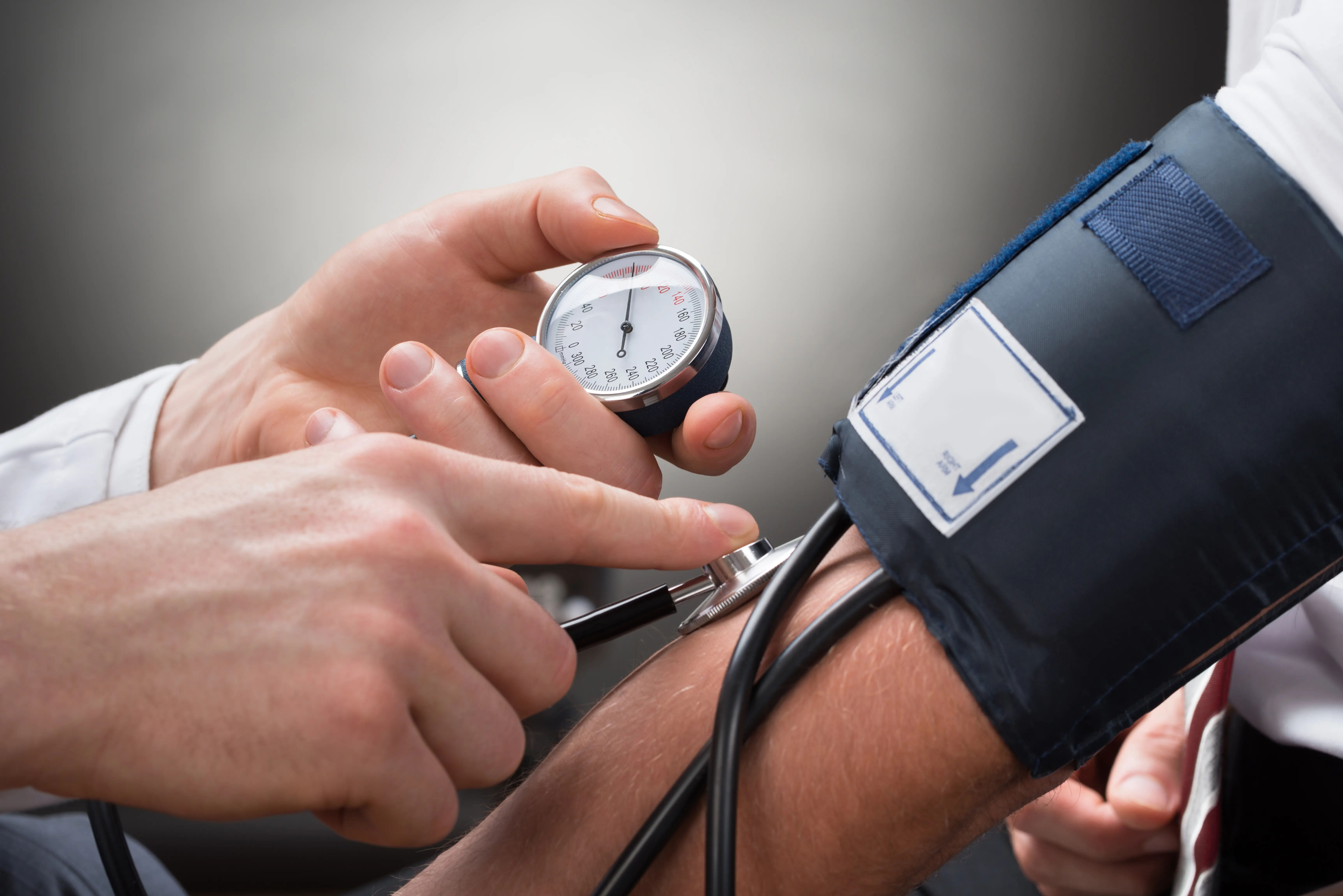
How to Measure Blood Pressure Accurately at Home?
Accurate readings help you and your clinician understand your symptoms better.
Before You Measure
- Rest quietly for five minutes.
- Avoid caffeine, smoking, or exercise for 30 minutes beforehand.
- Empty your bladder to prevent artificially raised readings.
During the Measurement
- Sit with your back supported and both feet flat on the floor.
- Rest your arm on a table so it is level with your heart.
- Ensure the cuff fits properly and is placed on bare skin.
- Remain still and do not talk while the device measures your blood pressure.
- Take two readings one minute apart and record both. Measuring at the same time daily provides a clearer pattern.
Tracking your symptoms alongside your readings, such as noting dizziness or fatigue, provides valuable information for
your clinician.
When to See a Doctor?
See a doctor when:
- New or frequent symptoms of low BP
- Readings are usually below 90/60 mm Hg with symptoms
- Fainting or near-fainting
- Symptoms after starting or changing a medication
- Persistent post-meal dizziness
- Any red-flag symptoms, including chest pain or shortness of breath
What Not to Do?
- Do not consume large amounts of salt without medical guidance.
- Do not rely on alcohol to raise blood pressure.
- Be cautious with herbal remedies that claim to treat low blood pressure, as many lack evidence and may interact with
medications.
Key Takeaways
- Hydration, smaller meals, slow movements, and compression are core home strategies for managing low BP.
- Finding and treating the underlying cause is essential.
- Accurate home monitoring helps you and your clinician make informed decisions.
- Seek medical help if symptoms are new, severe, or changing.
Consult a Top General Practitioner for Personalised Advice
Consult a Top General Practitioner for Personalised Advice

Dr Darshana R
General Physician/ Internal Medicine Specialist
15 Years • MBBS, MD, DNB (Internal Medicine), Diploma in Allergy, Asthma and Immunology , Fellowship in Diabetes
Bengaluru
Apollo Clinic, JP nagar, Bengaluru

(125+ Patients)

Dr. Pinaki Mukhopadhyay
General Practitioner
33 Years • MBBS
Kolkata
MCR SUPER SPECIALITY POLY CLINIC & PATHOLOGY, Kolkata
(50+ Patients)

Dr Syed Mateen Pasha
General Physician
2 Years • MBBS
Bengaluru
PRESTIGE SHANTHINIKETAN - SOCIETY CLINIC, Bengaluru

Dr. Gunashree V L
General Physician/ Internal Medicine Specialist
3 Years • MBBS
Bengaluru
Apollo Clinic, JP nagar, Bengaluru

Dr. Sudhashree R
General Physician/ Internal Medicine Specialist
13 Years • MBBS, MRCEM
Bengaluru
Apollo Clinic, JP nagar, Bengaluru
Consult a Top General Practitioner for Personalised Advice
Dr Darshana R
General Physician/ Internal Medicine Specialist
15 Years • MBBS, MD, DNB (Internal Medicine), Diploma in Allergy, Asthma and Immunology , Fellowship in Diabetes
Bengaluru
Apollo Clinic, JP nagar, Bengaluru
(125+ Patients)
Dr. Pinaki Mukhopadhyay
General Practitioner
33 Years • MBBS
Kolkata
MCR SUPER SPECIALITY POLY CLINIC & PATHOLOGY, Kolkata
(50+ Patients)
Dr Syed Mateen Pasha
General Physician
2 Years • MBBS
Bengaluru
PRESTIGE SHANTHINIKETAN - SOCIETY CLINIC, Bengaluru
Dr. Gunashree V L
General Physician/ Internal Medicine Specialist
3 Years • MBBS
Bengaluru
Apollo Clinic, JP nagar, Bengaluru
Dr. Sudhashree R
General Physician/ Internal Medicine Specialist
13 Years • MBBS, MRCEM
Bengaluru
Apollo Clinic, JP nagar, Bengaluru
More articles from High blood pressure hypertension
.webp)
_1.webp)
Frequently Asked Questions
1) What is considered dangerously low blood pressure?
A single low reading does not always mean an emergency, but blood pressure below 90/60 mm Hg accompanied by symptoms such as fainting, confusion, chest pain, or trouble breathing should be treated seriously. When these symptoms appear together, the body may not be getting enough blood flow to vital organs, and urgent medical help is needed. Even if you are unsure, it is safer to seek advice rather than wait and risk worsening symptoms.
2) What should I drink for low BP?
Water is usually the best option because it restores blood volume gently and effectively. When you have lost fluids through diarrhoea, vomiting, or heavy sweating, an oral rehydration solution can help replace salts and minerals more quickly. Alcohol should be avoided because it causes the body to lose fluid and can make blood pressure drop even further, worsening dizziness or weakness.
3) Can caffeine help with low blood pressure?
Caffeine can raise blood pressure for a short period by narrowing blood vessels and stimulating the nervous system. For some people, a cup of tea or coffee may help ease lightheadedness, but it should not be used as a long-term fix. Those with heart rhythm problems or anxiety may find caffeine unsettles their body, so checking with a clinician ensures you use it safely and appropriately.
4) How can I raise my blood pressure quickly at home?
When you begin to feel faint, the first steps are to sit or lie down and raise your legs, allowing blood to return to your upper body. Drinking water helps if dehydration is contributing to the drop. Loosening tight clothing makes breathing easier and reduces pressure around the abdomen. If symptoms do not settle promptly or you faint, seeking urgent care is the safest action.
5) Are compression stockings good for low BP?
Compression stockings can be useful for people whose blood pressure drops when standing because they prevent blood from pooling in the legs. By improving circulation, they may reduce dizziness or sudden weakness. The strength and length of stockings vary, so checking with your clinician helps you choose the right type for your needs and lifestyle.