


High Blood Pressure: All Key Facts You Need to Know
High blood pressure essentials: clear hypertension facts, risks, symptoms, and proven ways to lower it for better heart health.

Written by Dr. Rohinipriyanka Pondugula
Reviewed by Dr. Shaik Abdul Kalam MD (Physician)
Last updated on 14th Jan, 2026

Introduction
High blood pressure is common, serious, and often silent - yet it’s also highly treatable. In this guide, you’ll learn simple, trustworthy hypertension facts, why it matters for heart health, and the most effective ways to prevent, detect, and control it. Whether you’ve just seen a higher reading at the pharmacy or you’re managing a diagnosis, this article gives you clear steps and reliable resources to help you feel confident about your next move.
What Is Hypertension?
Hypertension means the force of blood pushing against your artery walls is consistently too high. Over time, that extra
pressure makes your heart and blood vessels work harder, which can damage the heart, brain, kidneys, eyes, and more.
Because most people feel fine even when their numbers are high, regular checks are essential.
Understanding the Numbers
Blood pressure is written as systolic/diastolic (for example, 118/76 mm Hg). Here’s how to interpret your readings:
- Normal: less than 120/80 mm Hg
- Elevated: systolic 120–129 and diastolic less than 80
- Stage 1 hypertension: systolic 130–139 or diastolic 80–89
- Stage 2 hypertension: systolic 140 or higher or diastolic 90 or higher
- Hypertensive crisis: systolic 180 or higher and/or diastolic 120 or higher
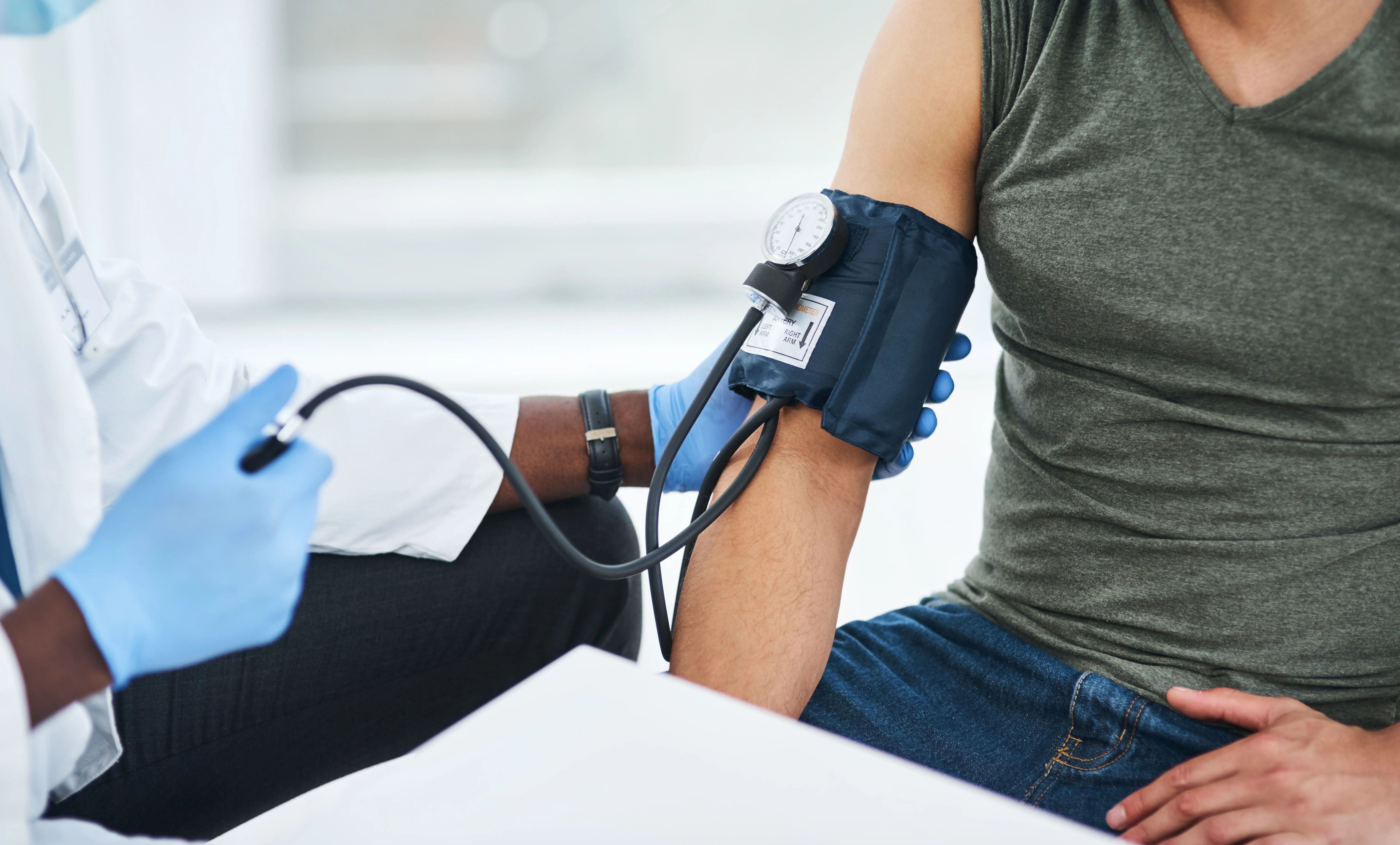
Only a healthcare professional can diagnose hypertension. Diagnoses are usually based on multiple readings on
different days, often including home or ambulatory monitoring.
Why It Matters for Heart Health?
Uncontrolled hypertension is a major driver of heart attack, stroke, heart failure, and atrial fibrillation. It also raises the
risk of chronic kidney disease, vision loss, and problems with memory and thinking. The good news: lowering your
numbers reduces these risks at any age.
Who Is at Risk?
Anyone can develop hypertension. Certain factors raise the likelihood:
- Family history or genetics
- Aging (arteries stiffen over time)
- High sodium intake and low potassium intake
- Physical inactivity
- Excess body weight
- Smoking or exposure to tobacco
- Too much alcohol
- Chronic stress and poor sleep
- Health conditions such as diabetes, kidney disease, or sleep apnea
- During pregnancy, conditions like preeclampsia
Symptoms: Often None
Most people have no symptoms. Very high readings can sometimes cause headaches, shortness of breath, chest pain,
vision changes, or nosebleeds - but don’t wait for symptoms. Regular screening is the safest approach.
How to Measure and Monitor Your Blood Pressure?
Let’s review the best ways to check your numbers accurately:
At the Clinic
- Ask for your reading in writing and which category it falls into.
- If a reading is high, a second measurement after a few minutes of rest is often helpful.
At Home
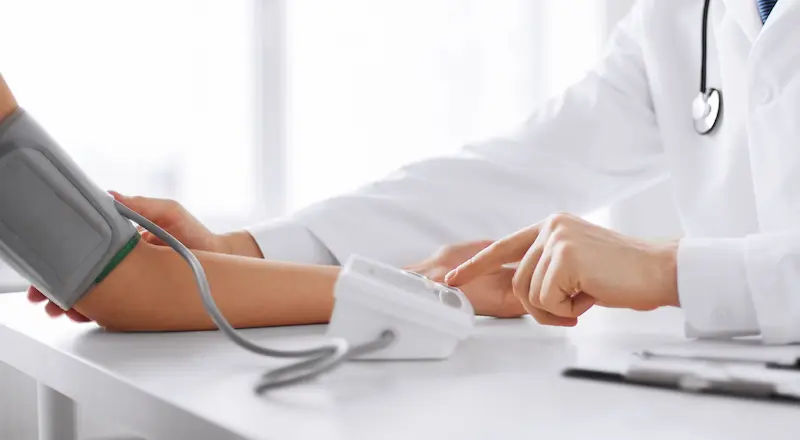
- Choose a validated, upper-arm automatic cuff in the correct size.
- Prepare: avoid caffeine, smoking, and exercise for 30 minutes before; empty your bladder; rest quietly for 5 minutes.
- Position: sit with back supported, feet flat on the floor, arm supported at heart level.
- Technique: take two readings 1–2 minutes apart, morning and evening for a week when confirming a diagnosis. Record
all results. - Bring your monitor to appointments to compare with office readings.
When Is It an Emergency?
- If your reading is 180/120 mm Hg or higher AND you have symptoms such as chest pain, shortness of breath, severe
headache, weakness/numbness, confusion, vision changes, or trouble speaking, call emergency services. - If you have a reading that high without symptoms, wait five minutes and recheck. If still high, contact your clinician
promptly.
Proven Ways to Lower Your Blood Pressure
Here are some ways to lower your blood pressure:
Lifestyle Changes That Make a Real Difference
Let’s look at habits that have a strong impact:
- Eat the DASH way: Focus on vegetables, fruits, beans, nuts, whole grains, and low-fat dairy; include lean proteins like
fish or poultry; limit sweets and refined grains. - Cut back on sodium: Most salt comes from packaged and restaurant foods. Compare labels and choose “low sodium”
options. Many adults benefit by aiming for less than 1,500–2,300 mg per day. Even reducing your current intake by
1,000 mg daily can help. - Boost potassium from foods: Bananas, beans, lentils, potatoes, yoghurt, and leafy greens are great options. If you have
kidney disease or take certain medications, ask your clinician before increasing potassium. - Move more: Aim for at least 150 minutes of moderate activity (like brisk walking or cycling) each week, plus strength
training two days a week. Even 10-minute bouts count. - Reach and maintain a healthy weight: Losing even 5–10% of your body weight can improve blood pressure.
- Limit alcohol: If you drink, up to 1 drink per day for women and up to 2 for men.
- Quit smoking and avoid secondhand smoke: Your blood vessels benefit within days to weeks of quitting.
- Sleep and stress: Aim for 7–9 hours of quality sleep. Treat snoring or sleep apnea. Practice stress management
(breathing exercises, mindfulness, physical activity, time in nature). - Be mindful of caffeine: It can cause short-term increases. Monitor your response and discuss with your clinician if
readings spike after coffee or energy drinks. - Check medications and supplements: Some (like certain pain relievers, decongestants, and herbal products) can raise blood pressure. Review your list with your clinician.
Medications: Safe and Effective When Needed
Many people need medicine in addition to lifestyle changes. Your clinician will choose based on your numbers, age,
health history, and any other conditions.
Common first-line options include:
- Thiazide diuretics
- ACE inhibitors
- ARBs (angiotensin receptor blockers)
- Calcium channel blockers
Other medicines (such as beta blockers) are used in specific situations. It may take time to find the right combination
and dose, and side effects are usually manageable. Never stop a medication without medical advice. Some drugs are
not safe in pregnancy (for example, ACE inhibitors and ARBs); always tell your clinician if you are pregnant or
planning pregnancy.
Putting It Together
Many people reach their goals by combining healthier habits with the right medication plan. Regular follow-up, home
monitoring, and taking medicines as prescribed are key to keeping your numbers in range.
Fast Facts About Hypertension
Here are key numbers and facts you should know:
- It is very common: in the United States, almost half of adults have hypertension or take medicine for it.
- Worldwide, about 1.28 billion adults aged 30–79 live with hypertension, and many are unaware they have it.
- Control rates are low globally, but improving detection, treatment, and healthy lifestyle changes can dramatically reduce heart attack and stroke.
- You can’t feel your numbers - accurate measurement is essential.
- Lowering blood pressure helps at any age, whether you are 25 or 85.
How Often Should You Be Screened?
Let’s see the recommended monitoring schedule:
- Adults with normal readings: at least once a year, or as your clinician recommends.
- If your readings are elevated or you have risk factors (such as diabetes, kidney disease, or a family history), check more
often. - Home monitoring is helpful for most people and especially valuable if you have white coat hypertension (high at the
doctor’s office but not at home) or masked hypertension (normal at the office but high at home).
Special Situations
Some circumstances require closer attention:
- Pregnancy: High readings can signal preeclampsia or other conditions that require prompt care. Some blood pressure
medicines are unsafe during pregnancy; always consult your obstetric clinician. - Diabetes or kidney disease: Tighter targets are often recommended; lifestyle steps plus appropriate medications protect
kidneys and the heart. - Older adults: Treatment is still beneficial. Plans are tailored to balance benefits and side effects (like dizziness).
How to Build a Blood Pressure Action Plan?
Let’s create a clear, actionable routine:
- Know your goal: Your clinician will help set a target (many adults aim for less than 130/80 mm Hg).
- Track your numbers: Use a home monitor and keep a simple log or app.
- Pick two habits to start this week: For example, swap salty snacks for fruit and nuts, and add a 20-minute walk after
dinner. - Plan follow-up: Schedule check-ins to review your progress and adjust as needed.
- Bring your questions: Ask about medication timing, side effects, and how your other conditions or medicines affect
blood pressure.
When to Call the Doctor?
Here’s when to call a doctor:
- You have multiple readings in the Stage 2 range.
- You’re pregnant and notice higher readings, headaches, vision changes, or swelling.
- You develop side effects from your medicine.
- You measure 180/120 mm Hg or higher: call emergency services if you have symptoms like chest pain, shortness of
breath, severe headache, confusion, weakness, or vision changes.
Conclusion
High blood pressure is common, often silent, but highly manageable. Understanding your numbers, monitoring
regularly, making gradual lifestyle changes, and following your clinician’s guidance are the pillars of success. With the
right combination of habits and treatment, you can protect your heart, kidneys, and overall health, and reduce the risks
associated with hypertension - at any age.
Consult Top Specialists
Consult Top Specialists

Dr. Vivek D
General Physician
4 Years • MBBS
Bengaluru
PRESTIGE SHANTHINIKETAN - SOCIETY CLINIC, Bengaluru

Dr. Sougata Kumar
General Practitioner
9 Years • MBBS
East Midnapore
VIVEKANANDA SEBA SADAN, East Midnapore

Dr. Arthi S
Family Physician
3 Years • MBBS
Bengaluru
PRESTIGE SHANTHINIKETAN - SOCIETY CLINIC, Bengaluru

Dr Syed Mizra M
General Physician/ Internal Medicine Specialist
2 Years • MBBS
Bengaluru
PRESTIGE SHANTHINIKETAN - SOCIETY CLINIC, Bengaluru

Dr. Shamanth Y B
General Physician/ Internal Medicine Specialist
5 Years • MBBS
Bengaluru
Apollo Medical Center, Marathahalli, Bengaluru

(50+ Patients)
More articles from High Blood Pressure


Frequently Asked Questions
Q1: What is a normal blood pressure?
Normal is less than 120/80 mm Hg. Elevated is 120–129 systolic and less than 80 diastolic. Your clinician uses multiple readings over time to diagnose and set goals.
Q2: Can stress alone cause hypertension?
Stress can raise blood pressure temporarily and may contribute over time, especially alongside poor sleep, inactivity, or higher sodium intake. Managing stress helps, but most people also benefit from diet and activity changes, and some need medication.
Q3: Do I need medication if my numbers are only a little high?
It depends on your overall risk, other health conditions, and home readings. Many people with Stage 1 can start with lifestyle changes; others may need both lifestyle and medication. Your clinician will guide you.
Q4: What kind of home monitor should I buy?
Choose a validated, automatic upper-arm cuff in the correct size for your arm. Wrist and finger monitors are less reliable. Bring it to your appointment to compare with the office machine.
Q5: Is hypertension curable?
It’s usually a long-term condition, but it is very manageable. Healthy habits plus the right medicines can bring numbers to goal and greatly lower the risk of heart attack, stroke, and kidney disease.