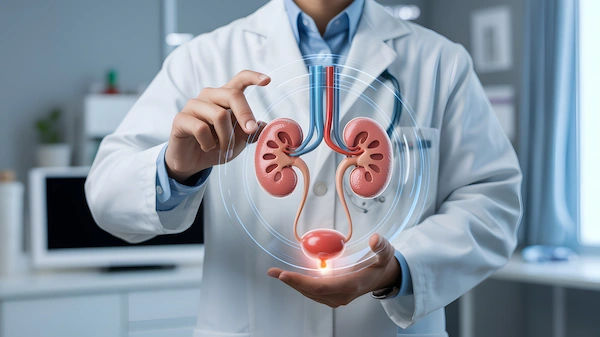
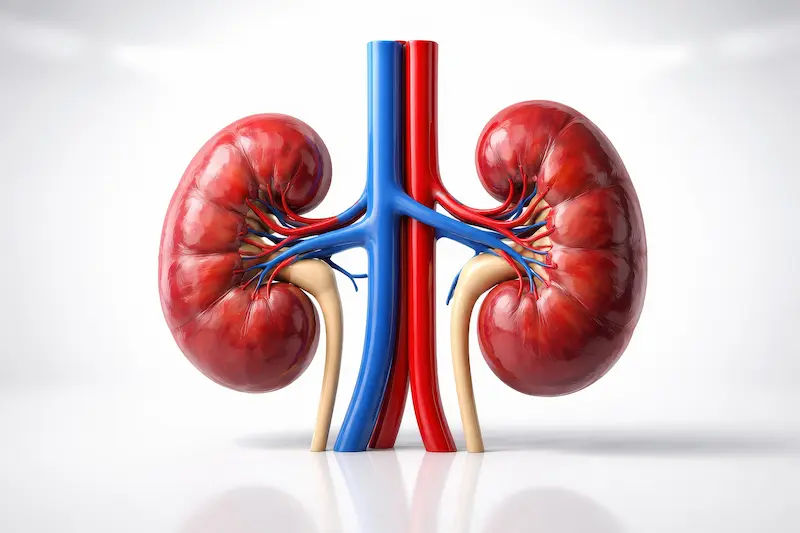
Diet Plan for Kidney and Dialysis Patients
Discover a tailored diet plan for kidney and dialysis patients, focusing on nutrient management, fluid control, and food choices that support kidney function and overall well-being.

Written by Dr. Shaik Abdul Kalam
Reviewed by Dr. Md Yusuf Shareef MBBS, Advanced Certificate Course in Dermatology
Last updated on 13th Jan, 2026
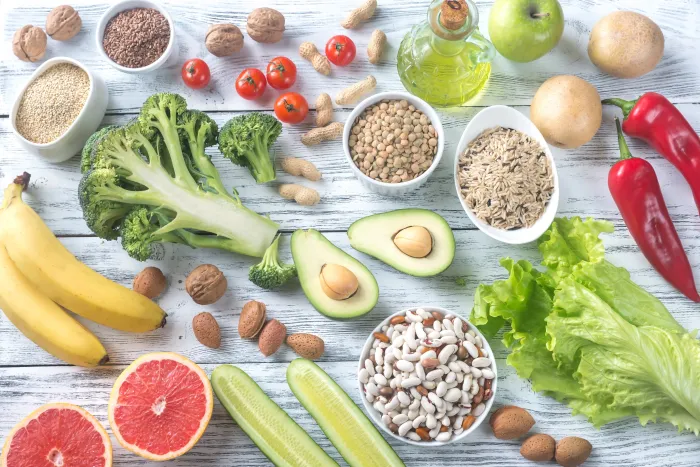
Living with kidney disease or undergoing dialysis can be challenging, but a well-planned diet plays a crucial role in maintaining your health and improving your quality of life. The right food choices can help manage symptoms, slow disease progression, and support overall well-being.
In this article, we’ll discuss the best dietary practices for kidney and dialysis patients, including foods to eat, foods to avoid, and helpful tips to make meal planning easier.
Consult a Top Nutritionist
Why Is Diet Important for Kidney Patients?
Your kidneys filter waste and excess fluids from your blood. When they don’t function properly, harmful substances can build up in your body, leading to complications like high blood pressure, bone disease, and heart problems.
A kidney-friendly diet helps:
- Reduce the workload on your kidneys
- Control blood pressure and blood sugar
- Prevent malnutrition
- Manage fluid and electrolyte balance
For dialysis patients, dietary needs change because dialysis removes waste differently than healthy kidneys. Your dietitian will help adjust your meal plan based on your treatment schedule.
Key Nutrients to Monitor in a Kidney-Friendly Diet
Below are the key nutrients for monitoring a kidney friendly diet,
1. Protein
- Kidney patients (not on dialysis): Moderate protein intake to reduce kidney strain.
- Dialysis patients: Higher protein is needed to replace what’s lost during treatment.
- Good sources: Eggs, lean meats, fish, tofu, and low-phosphorus dairy.
2. Sodium (Salt)
- Excess sodium raises blood pressure and causes fluid retention.
- Avoid: Processed foods, canned soups, pickles, and fast food.
- Choose: Fresh foods, herbs, and spices instead of salt.
3. Potassium
- High potassium levels can cause dangerous heart rhythms.
Limit: Bananas, oranges, potatoes, tomatoes, and dried fruits.
- Safe choices: Apples, berries, cabbage, and green beans.
4. Phosphorus
- Damaged kidneys can’t remove phosphorus well, leading to weak bones.
- Avoid: Dairy, nuts, soda, and processed meats.
- Choose: Fresh fruits, vegetables, and lean proteins.
5. Fluids
- Too much fluid can cause swelling and high blood pressure.
- Monitor intake: Water, soups, and beverages.
- Dialysis patients: Follow your doctor’s fluid restriction guidelines.
Kidney-Friendly Foods to Include
Below are the kidney friendly foods that can be included in your diet,
1. Vegetables
Cauliflower, cabbage, bell peppers, and onions (low in potassium).
2. Fruits
Apples, berries, grapes, and pineapple (lower in potassium).
3. Grains
White bread, rice, and pasta (lower in phosphorus than whole grains).
4. Proteins
Egg whites, skinless chicken, and fish (high-quality, low-fat sources).
5. Healthy Fats
Olive oil, avocado (in moderation).
Foods to Avoid or Limit
- Below are the foods that must be avoided or limited,
- High-sodium foods: Chips, canned soups, processed meats.
- High-potassium foods: Bananas, oranges, potatoes, tomatoes.
- High-phosphorus foods: Dairy, nuts, dark sodas.
- Excess fluids: Water, juices, soups (if fluid-restricted).
Helpful Tips for Managing Your Diet
Below are few helpful tips for managing your diet,
1. Read Labels: Check for sodium, potassium, and phosphorus in packaged foods.
2. Cook at Home: Prepare fresh meals to control ingredients.
3. Portion Control: Eat smaller meals to avoid overloading your kidneys.
4. Stay Hydrated (but not too much): Follow your doctor’s fluid recommendations.
5. Work with a Dietitian: A specialist can create a personalized meal plan.
When to Seek Help?
If you’re struggling with meal planning or experiencing symptoms like swelling, fatigue, or changes in appetite, consult a kidney specialist or dietitian.
Need expert advice?
Book a consultation with Apollo 24|7’s nutritionist or nephrology team for personalized guidance.
Consult a Top Nutritionist
Conclusion
A well-balanced kidney-friendly diet can make a big difference in managing kidney disease and dialysis. By making mindful food choices, you can protect your kidneys, feel better, and improve your overall health. Remember, small changes can lead to big improvements, start today and take control of your kidney health!
Consult a Top Nutritionist

Ms. Samapti Maity
Dietician
16 Years • MSc. (Clinical Nutrition & Dietitics), NDEP, Course in Maternal Infant Young Child Nutrition.Diploma in Sports Nutrition, Diploma in Diabetic educator, FODMAP Specialist
Kolkata
BIENETRE CLINIC, Kolkata

Ms. Soma Saha
clinical nutrition
17 Years • B.Sc. - Home Science (Food & Nutrition), M.Sc. - Home Science (Food & Nutrition)
Kolkata
Dr Utsa Basu Clinic, Kolkata

(75+ Patients)

Mrs Sneha P V
Nutritionist
10 Years • Master of science in Food and Nutrition
Bengaluru
Apollo Clinic, Sarjapur Road, Bengaluru

Dr Vijeya Lakshmi Chakravarthy
General Physician
3 Years • MBBS
Bengaluru
PRESTIGE SHANTHINIKETAN - SOCIETY CLINIC, Bengaluru

Ms. Suhita Sinha
Dietician
8 Years • MSC Food & Nutrition
Kolkata
Chikitsa Medicare Centre Pvt. Ltd.Sattelite Centre Behala Chowrasta, Kolkata
_6.webp)