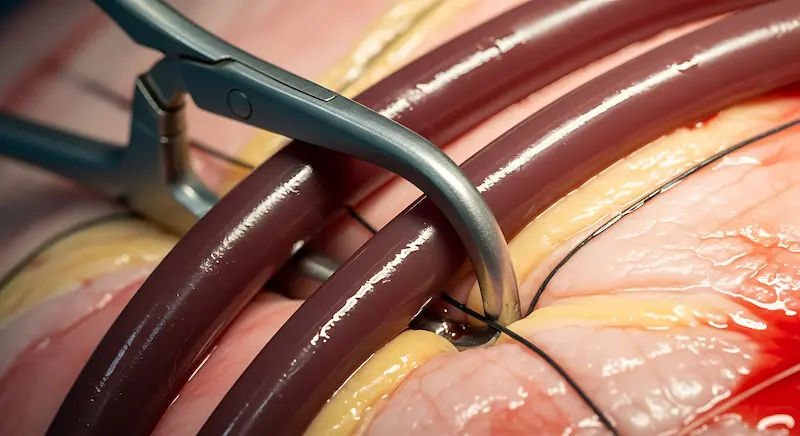
Hospital Stay After Kidney Transplant
Learn what to expect during your hospital stay after a kidney transplant, including recovery time, monitoring procedures, and essential post-operative care for a smooth and safe healing process.

Written by Dr. Dhankecha Mayank Dineshbhai
Reviewed by Dr. D Bhanu Prakash MBBS, AFIH, Advanced certificate in critical care medicine, Fellowship in critical care medicine
Last updated on 13th Jan, 2026

Introduction
Undergoing a kidney transplant is a life-changing event, and the hospital stay afterward plays a crucial role in your recovery. If you or a loved one is preparing for a transplant, understanding what happens during this period can help ease anxiety and ensure a smoother healing process.
Why Is a Hospital Stay Necessary After a Kidney Transplant?
After the transplant surgery, your medical team will closely monitor you to:
Ensure the new kidney is functioning well.
Prevent infections or complications.
Adjust medications to avoid rejection.
Help you regain strength before going home.
Most patients stay in the hospital for 5 to 10 days, but this may vary depending on recovery progress.
What Happens During Your Hospital Stay?
Here’s what happens during your hospital stay:
1. Immediate Post-Surgery Care (First 24–48 Hours)
You’ll be in the ICU (Intensive Care Unit) or a specialised transplant unit for close monitoring.
Doctors will check your blood pressure, urine output, and kidney function frequently.
You may have IV fluids, pain relief, and immunosuppressant medications to prevent rejection.
A catheter (small tube) may be placed to drain urine until your bladder adjusts.
2. Recovery Phase (Days 2–5)
You’ll be moved to a regular hospital room as you stabilise.
Blood tests will be done daily to ensure the kidney is working well.
You’ll start walking slowly to prevent blood clots and improve circulation.
Your diet will gradually shift from liquids to solid foods.
3. Before Discharge (Days 5–10)
Your medical team will teach you about medications, signs of rejection, and infection prevention.
You’ll learn how to care for your surgical wound.
Doctors will confirm that your new kidney is functioning properly before discharge.
Consult Top Specialists for Personalised Tips
Common Concerns After a Kidney Transplant
Some of the common concerns after a kidney transplant are as follows:
1. Pain and Discomfort
Mild pain around the incision is normal and managed with prescribed painkillers.
Avoid heavy lifting or strenuous activities for 6–8 weeks.
2. Risk of Infection
Immunosuppressants weaken your immune system, making infections a concern.
Wash hands frequently, avoid crowded places, and stay away from sick people.
3. Signs of Rejection
Fever, decreased urine output, swelling, or pain near the new kidney could indicate rejection.
Contact your doctor immediately if you notice these symptoms.
Tips for a Smooth Recovery at Home
Some of the tips for a smooth recovery at home are:
1. Take Medications on Time: Missing doses of immunosuppressants can lead to rejection. Set reminders if needed.
2. Follow a Kidney-Friendly Diet: Eat low-sodium, low-sugar, and balanced meals to support kidney health. Stay hydrated unless advised otherwise.
3. Stay Active (But Don’t Overdo It): Light walking helps recovery, but avoid heavy exercise until cleared by your doctor.
4. Attend Follow-Up Appointments: Regular check-ups ensure your kidney is functioning well and medications are adjusted if needed.
When to Seek Immediate Help?
Call your transplant team if you experience:
High fever or chills
Severe pain near the transplant site
Sudden swelling or reduced urine output
Unusual fatigue or dizziness
Conclusion
A kidney transplant is a major surgery, but with proper care, most patients recover well and enjoy a better quality of life. Your hospital stay is a critical phase where doctors ensure your new kidney is working correctly and prepare you for a healthy life post-transplant.
If you have any concerns or need expert advice, Apollo 24|7 offers consultations with top nephrologists and transplant specialists. You can book an appointment or schedule follow-up tests easily through our platform.
Consult Top Nephrologist
Consult Top Specialists for Personalised Tips

Dr. Anoop M Gowda
Nephrologist
20 Years • MBBS, MD, DNB - Nephrology
Bengaluru
Apollo Hospitals Sheshadripuram, Bengaluru

Dr. Manju Kamal
Nephrologist
12 Years • MBBS,MD(General Medicine), DNB,DM(Nephrology)
Angamaly
Apollo Hospitals Karukutty, Angamaly

Dr. Ashwini Kumar Aiyangar
Nephrologist
16 Years • MBBS DNB(INT.MED) DNB(NEPH)
Secunderabad
Apollo Hospitals Secunderabad, Secunderabad

(150+ Patients)

Dr. Jai Kumar Kriplani
Nephrologist
18 Years • M.D. (Medicine), DNB (Nephrology)
Indore
Apollo Hospitals Vijay Nagar, Indore
(50+ Patients)

Dr. Ps Vamseedhar
Nephrologist
10 Years • MD, DM
Chinagadila
Apollo Hospitals Health City Unit, Chinagadila
(50+ Patients)
Consult Top Nephrologist
Dr. Anoop M Gowda
Nephrologist
20 Years • MBBS, MD, DNB - Nephrology
Bengaluru
Apollo Hospitals Sheshadripuram, Bengaluru
Dr. Manju Kamal
Nephrologist
12 Years • MBBS,MD(General Medicine), DNB,DM(Nephrology)
Angamaly
Apollo Hospitals Karukutty, Angamaly
Dr. Ashwini Kumar Aiyangar
Nephrologist
16 Years • MBBS DNB(INT.MED) DNB(NEPH)
Secunderabad
Apollo Hospitals Secunderabad, Secunderabad
(150+ Patients)
Dr. Jai Kumar Kriplani
Nephrologist
18 Years • M.D. (Medicine), DNB (Nephrology)
Indore
Apollo Hospitals Vijay Nagar, Indore
(50+ Patients)
Dr. Ps Vamseedhar
Nephrologist
10 Years • MD, DM
Chinagadila
Apollo Hospitals Health City Unit, Chinagadila
(50+ Patients)