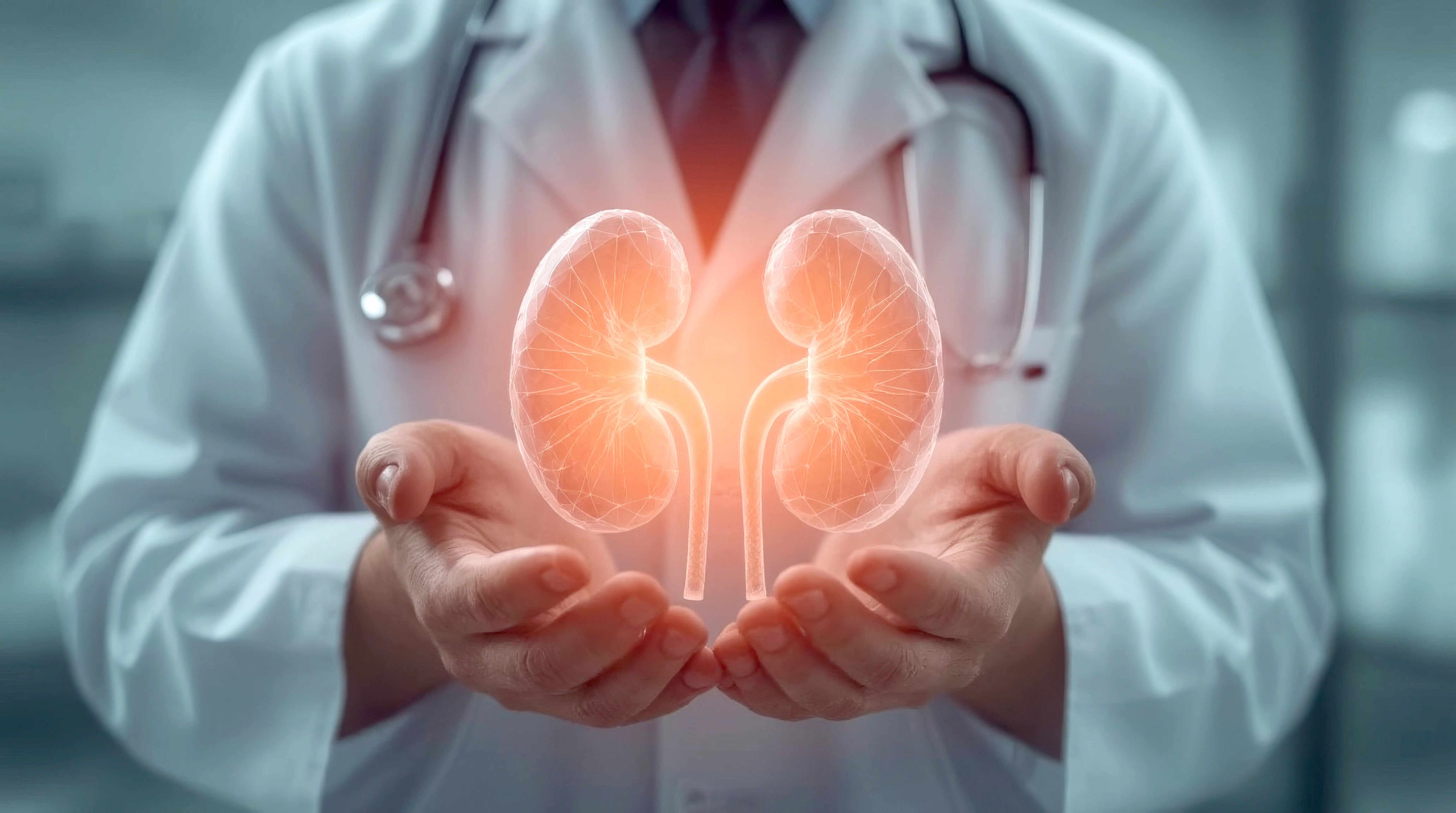
Do They Take Out Your Kidney During A Transplant
Are your native kidneys removed during a transplant? Discover why the old kidneys are usually left in place and where the new, healthy donor kidney is positioned for effective function.


Introduction
If you or a loved one is considering or preparing for a kidney transplant, you likely have many questions. One common concern is whether the old kidney is removed during the procedure. Let’s break it down in simple terms so you can understand what happens during a kidney transplant.
Understanding Kidney Transplants
A kidney transplant is a surgical procedure where a healthy kidney from a donor (living or deceased) is placed into a person whose kidneys no longer function properly. The new kidney takes over the job of filtering waste and excess fluids from the blood.
Do They Remove the Old Kidney?
In most cases, no, the old kidneys are not removed during a kidney transplant. Here’s why:
The New Kidney is Placed in a Different Location – The transplanted kidney is usually placed in the lower abdomen (near the pelvis), while the original kidneys stay in their usual position near the lower back.
Original Kidneys Often Don’t Cause Problems – Even if they don’t work well, they usually don’t need to be removed unless they are causing infections, high blood pressure, or cysts (as in polycystic kidney disease).
Less Risk – Removing the old kidneys is an additional surgery, which can increase risks like bleeding or infection.
When Might a Kidney Be Removed?
In rare cases, a surgeon may remove one or both original kidneys before or during a transplant. This happens if:
The kidneys are severely enlarged (e.g., in polycystic kidney disease).
They cause chronic pain or infections.
They contribute to dangerously high blood pressure.
If removal is necessary, it’s usually done in a separate surgery before the transplant.
What Happens During a Kidney Transplant?
What all happens during a kidney transplant include:
Preparation – You’ll undergo tests to ensure you’re ready for surgery.
Anesthesia – You’ll be given general anesthesia, so you’ll be asleep during the procedure.
The Transplant – The surgeon makes a small incision in your lower abdomen and places the new kidney inside. The blood vessels of the new kidney are connected to yours, and the ureter (the tube that carries urine) is attached to your bladder.
Recovery – The surgery usually takes 34 hours, and you’ll stay in the hospital for about a week to monitor the new kidney’s function.
Consult Top Specialists for Personalised Tips
Life After a Kidney Transplant
After a successful transplant, you’ll need to:
Take Immunosuppressants – These medications prevent your body from rejecting the new kidney.
Follow a Healthy Lifestyle – Eat a balanced diet, exercise moderately, and avoid smoking or excessive alcohol.
Regular Checkups – Frequent doctor visits ensure your kidney is working well.
When to See a Doctor?
If you experience:
Fever, pain, or swelling near the transplant site
Decreased urine output
High blood pressure or signs of infection
Consult your doctor immediately or book a consultation through Apollo 24|7 for expert advice.
Final Thoughts
Most kidney transplants do not involve removing the original kidneys unless they pose a health risk. The focus is on adding a healthy kidney to help your body function better. If you have concerns, don’t hesitate to discuss them with your transplant team.
If you need guidance on kidney health or transplant options, Apollo 24|7 offers expert consultations and support. Stay informed, stay healthy!
Would you like to schedule a consultation or learn more about kidney transplants? Visit Apollo 24|7 today!
Consult Top Nephrologist
Consult Top Specialists for Personalised Tips

Dr. Prakash Pandharinath Ugale
Nephrologist
8 Years • MBBS MD DNB (Nephro)
Nashik
Apollo Hospitals Nashik, Nashik

Dr. S. Anil Kumar Patro
Nephrologist
14 Years • MD, DNB
Chinagadila
Apollo Hospitals Health City Unit, Chinagadila

(25+ Patients)

Dr. Manoj Gumber
Nephrologist
17 Years • MD, DM (Nephro)
Ahmedabad
Apollo Hospitals Gandhinagar, Ahmedabad
(25+ Patients)

Dr Jeena J Sathyan
Nephrologist
3 Years • MBBS, DCH, MD Pediatrics DrNB Nephrology
Angamaly
Apollo Hospitals Karukutty, Angamaly

Dr. Seerapani Gopaluni
Nephrologist
18 Years • MBBS, MRCP(UK), CCT(Oxford), PhD(Cambridge), FRCP(London)
Hyderabad
Apollo Hospitals Financial District, Hyderabad
Consult Top Nephrologist
Dr. Prakash Pandharinath Ugale
Nephrologist
8 Years • MBBS MD DNB (Nephro)
Nashik
Apollo Hospitals Nashik, Nashik
Dr. S. Anil Kumar Patro
Nephrologist
14 Years • MD, DNB
Chinagadila
Apollo Hospitals Health City Unit, Chinagadila
(25+ Patients)
Dr. Manoj Gumber
Nephrologist
17 Years • MD, DM (Nephro)
Ahmedabad
Apollo Hospitals Gandhinagar, Ahmedabad
(25+ Patients)
Dr Jeena J Sathyan
Nephrologist
3 Years • MBBS, DCH, MD Pediatrics DrNB Nephrology
Angamaly
Apollo Hospitals Karukutty, Angamaly
Dr. Seerapani Gopaluni
Nephrologist
18 Years • MBBS, MRCP(UK), CCT(Oxford), PhD(Cambridge), FRCP(London)
Hyderabad
Apollo Hospitals Financial District, Hyderabad