How To Reduce Kidney Stone Pain?
Learn how to reduce kidney stone pain with hydration, diet tips, and home remedies. Discover effective ways to prevent future stones and when to seek medical care.

Written by Dr. Mohammed Kamran
Reviewed by Dr. Shaik Abdul Kalam MD (Physician)
Last updated on 17th Mar, 2026

Introduction
Kidney stones can be incredibly painful, but the good news is that there are ways to manage the discomfort and prevent future stones. If you or someone you know is dealing with kidney stones, this guide will help you understand the condition, ease the pain, and take steps toward better kidney health.
Understanding Kidney Stones
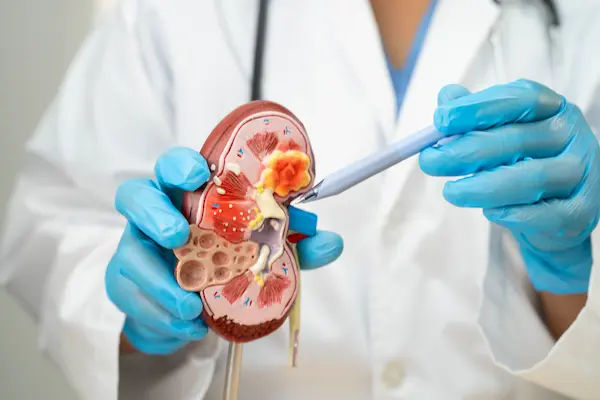
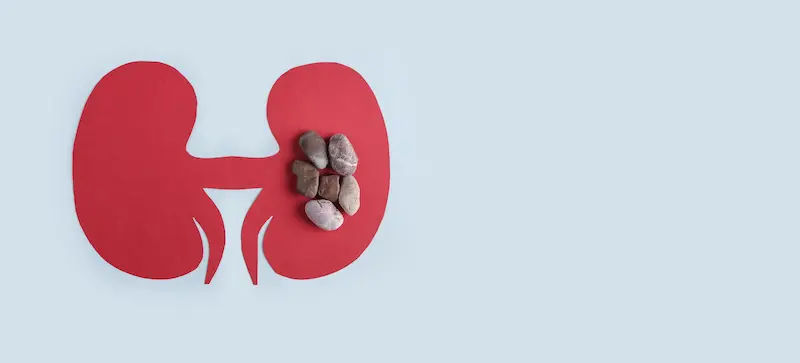
Kidney stones are hard deposits made of minerals and salts that form inside your kidneys. They can vary in size-some as small as a grain of sand, others as large as a pebble. When these stones move through your urinary tract, they can cause severe pain, nausea, and other uncomfortable symptoms.
Common Symptoms of Kidney Stones
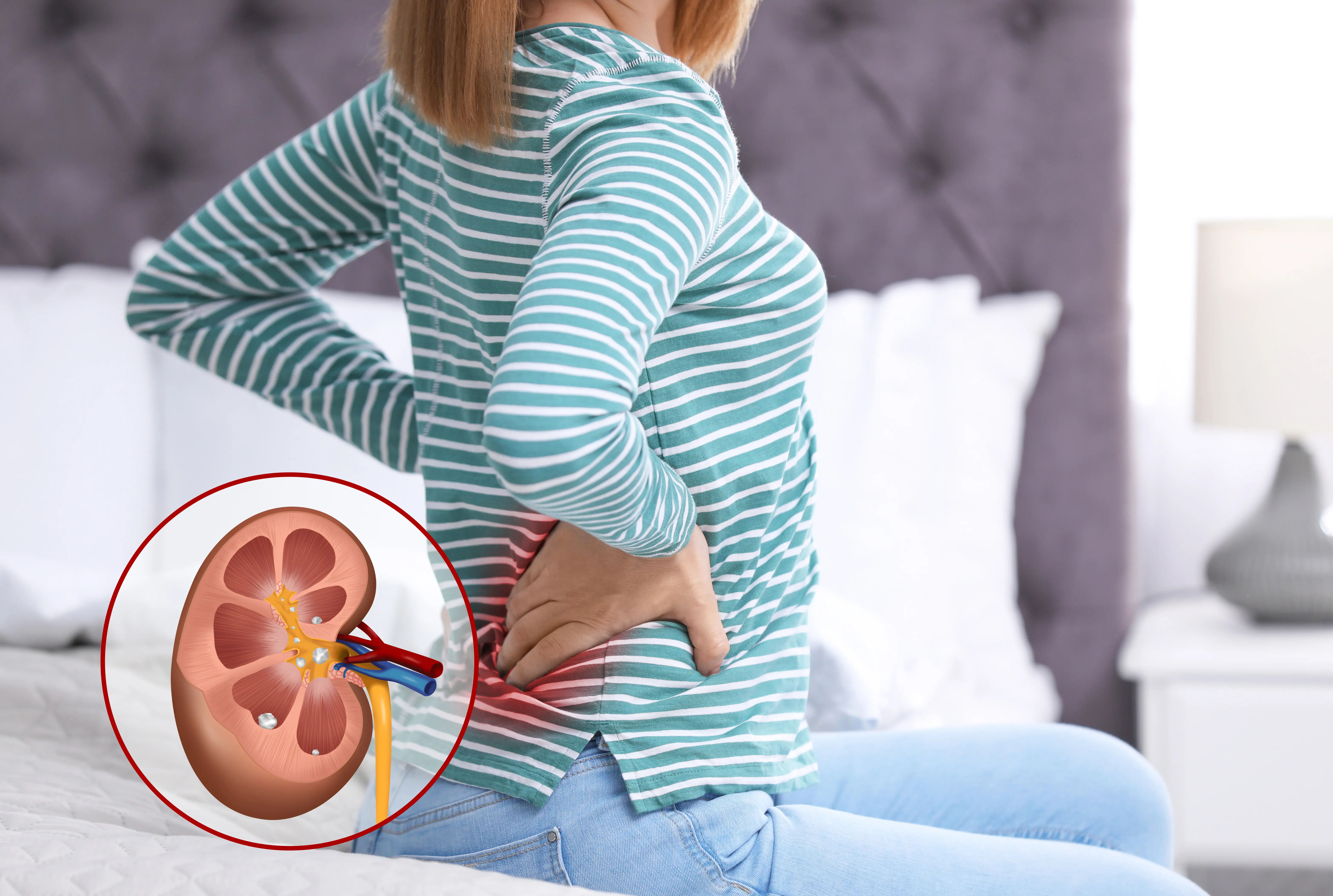
Sharp pain in the back, side, lower abdomen, or groin
Painful urination
Frequent urge to urinate
Cloudy or foul-smelling urine
Nausea and vomiting
Blood in urine (pink, red, or brown urine)
What Causes Kidney Stones?
Kidney stones form when certain substances in your urine (like calcium, oxalate, and uric acid) become too concentrated. Common causes include:
Dehydration: Not drinking enough water leads to concentrated urine.
Diet: High intake of salt, sugar, or oxalate-rich foods (like spinach, nuts, and chocolate).
Medical conditions: Gout, urinary tract infections (UTIs), or metabolic disorders.
Family history: If someone in your family has had kidney stones, you may be at higher risk.
How to Reduce Kidney Stone Pain
If you're experiencing kidney stone pain, here are some effective ways to manage it:
1. Stay Hydrated
Drinking plenty of water helps flush out small stones and prevents new ones from forming. Aim for 8-10 glasses of water daily. Lemon water can also help, as citrate in lemons may prevent stone formation.
2. Use Pain Relievers
Over-the-counter pain medications like ibuprofen or acetaminophen can help ease discomfort. Avoid aspirin if you have bleeding risks.
Consult Top Urologists For Medications For Pain
3. Apply Heat
A warm compress or heating pad on your back or abdomen can relax muscles and reduce pain.
4. Move Around
Gentle movement, like walking, may help the stone pass more quickly. Avoid strenuous exercise, as it can worsen pain.
5. Try Prescription Medications
If the pain is severe, a doctor may prescribe:
Alpha-blockers (like tamsulosin) to relax the ureter and help the stone pass.
Stronger pain relievers if OTC options aren’t enough.
6. Avoid Certain Foods
If you have kidney stones, limit:
Salt (sodium): Increases calcium in urine.
Oxalate-rich foods: Spinach, beets, nuts, chocolate.
Animal protein: Red meat, poultry, seafood can increase uric acid.
7. Seek Medical Help If Needed
If you experience:
Severe pain that doesn’t improve
Fever or chills (sign of infection)
Difficulty urinating
Persistent nausea/vomiting
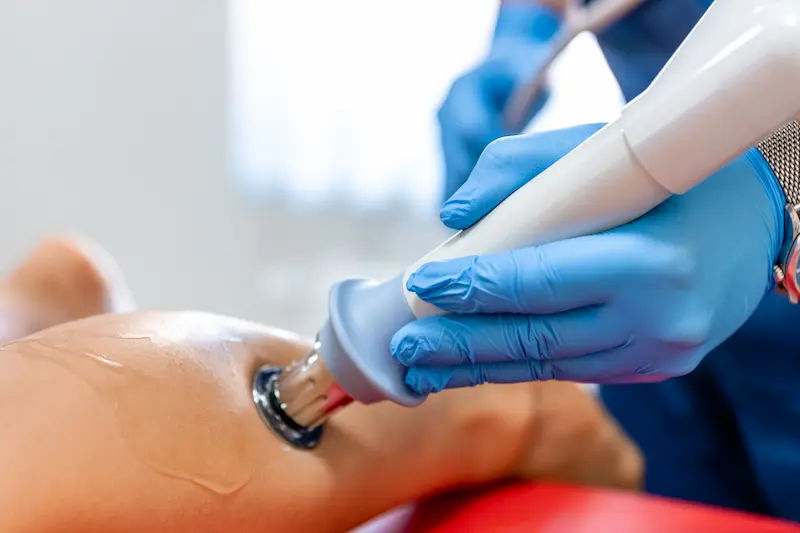
You may need medical procedures like shock wave lithotripsy (breaking stones with sound waves) or surgery in rare cases.
Preventing Future Kidney Stones
To reduce the risk of kidney stones returning:
Drink enough water: Clear or light yellow urine is a good sign.
Eat a balanced diet: More fruits, veggies, and whole grains.
Limit salt & sugar: Avoid processed foods and sugary drinks.
Get enough calcium: Low-fat dairy helps bind oxalates in the gut.
Exercise regularly: Helps maintain a healthy weight and kidney function.
When to See a Doctor
If kidney stone pain is severe or doesn’t go away, consult a doctor. Apollo 24|7 offers expert urology consultations and diagnostic tests to help you manage kidney stones effectively. You can book an appointment easily online for personalized care.
Conclusion
Kidney stone pain can be tough, but with the right steps- hydration, pain management, and dietary changes, you can ease discomfort and prevent future stones. If symptoms persist, don’t hesitate to seek medical help. Need help? Book a consultation with Apollo 24|7 today for expert advice.
Consult Top Urologists
Consult Top Urologists For Medications For Pain

Dr. Pradeep Champawat
Urologist
10 Years • MBBS, MS, DNB Urology
Delhi
Apollo Hospitals Indraprastha, Delhi

(175+ Patients)

Dr. Sudhakar G V
Urologist
25 Years • MBBS, MS(Gen.Surgery), DNB Urology
Bengaluru
Apollo Clinic, JP nagar, Bengaluru

Dr. Vyoma S. Desai
Urologist
3 Years • M.B.B.S., M.S., M.Ch UROLOGY
Gandhinagar
Akshar Hospital Gandhinagar, Gandhinagar

Dr Anupam Sharma
Urologist
18 Years • MBBS, MS(Gen Surgery), DNB (Urology)
Delhi
Apollo Hospitals Indraprastha, Delhi
(25+ Patients)

Dr. Samiran Das Adhikary
Urologist
26 Years • MBBS; MS(General Surgery); Mch(Urology). Senior Consultant - Urology & Renal Transplant Surgery
Bhubaneswar
Apollo Hospitals Old Sainik School Road, Bhubaneswar
(50+ Patients)
Consult Top Urologists
Dr. Pradeep Champawat
Urologist
10 Years • MBBS, MS, DNB Urology
Delhi
Apollo Hospitals Indraprastha, Delhi
(175+ Patients)
Dr. Sudhakar G V
Urologist
25 Years • MBBS, MS(Gen.Surgery), DNB Urology
Bengaluru
Apollo Clinic, JP nagar, Bengaluru
Dr. Vyoma S. Desai
Urologist
3 Years • M.B.B.S., M.S., M.Ch UROLOGY
Gandhinagar
Akshar Hospital Gandhinagar, Gandhinagar
Dr Anupam Sharma
Urologist
18 Years • MBBS, MS(Gen Surgery), DNB (Urology)
Delhi
Apollo Hospitals Indraprastha, Delhi
(25+ Patients)
Dr. Samiran Das Adhikary
Urologist
26 Years • MBBS; MS(General Surgery); Mch(Urology). Senior Consultant - Urology & Renal Transplant Surgery
Bhubaneswar
Apollo Hospitals Old Sainik School Road, Bhubaneswar
(50+ Patients)
.webp)