Understanding Knee Pain and Its Management Introduction
Discover the causes, symptoms, and treatment options for knee pain. Learn effective management strategies to reduce discomfort and improve joint health.

Written by Dr. M L Ezhilarasan
Reviewed by Dr. Md Yusuf Shareef MBBS, Advanced Certificate Course in Dermatology
Last updated on 17th Mar, 2026
.webp?tr=q-80,f-webp,w-350,dpr-2,c-at_max 700w)
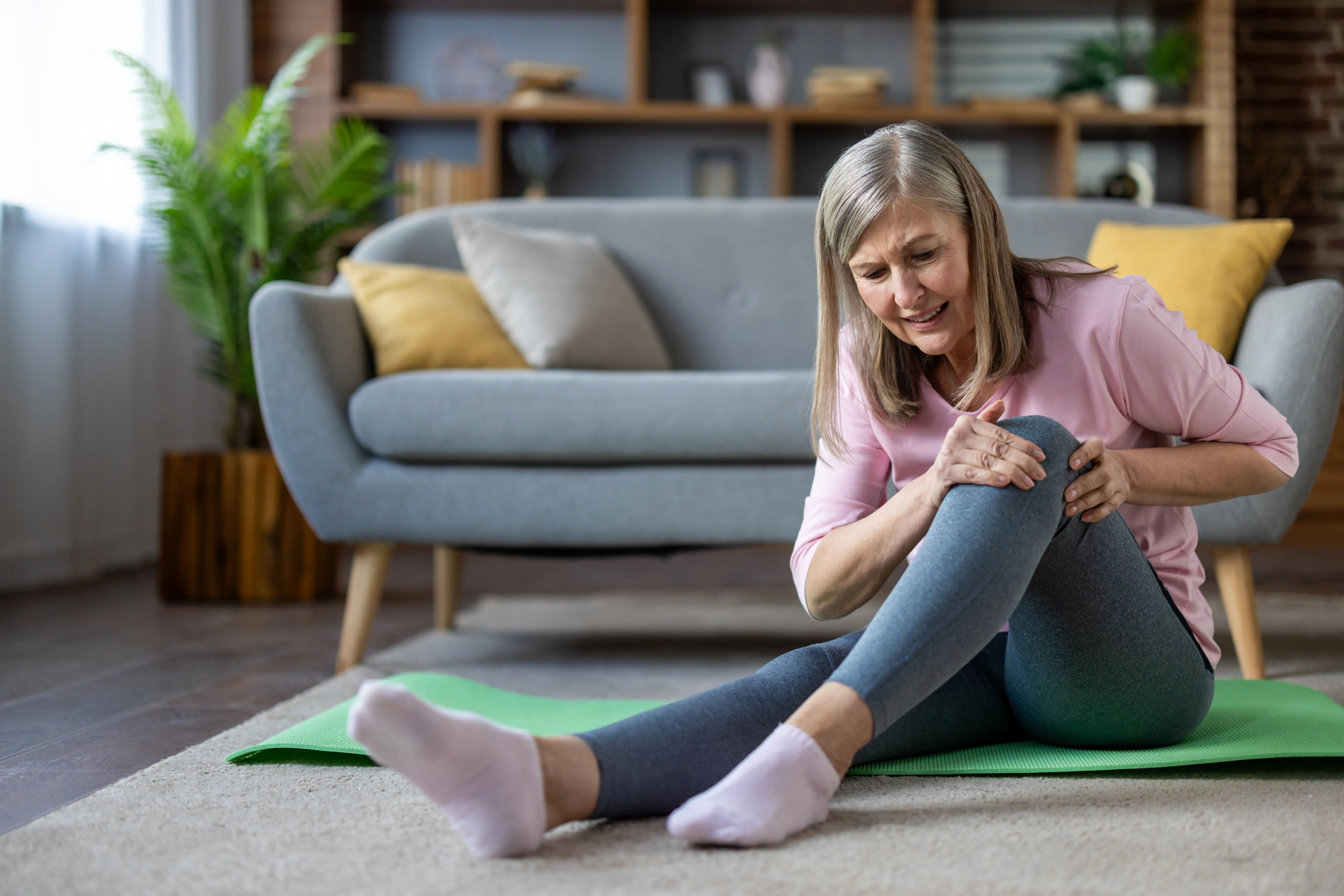
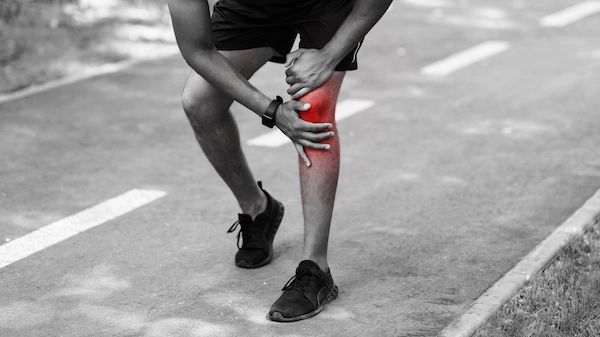
Knee pain is a common issue that affects people of all ages. Whether it’s due to an injury, arthritis, or everyday wear and tear, knee pain can make simple activities like walking, climbing stairs, or even sitting uncomfortable. The good news is that with the right knowledge and care, knee pain can often be managed effectively.
What Causes Knee Pain?
Knee pain can stem from various causes, including:
1. Injuries – Sprains, ligament tears (like ACL or MCL), meniscus tears, or fractures can lead to sudden knee pain.
2. Arthritis – Osteoarthritis (wear-and-tear arthritis), rheumatoid arthritis (an autoimmune condition), and gout can cause chronic knee pain.
3. Overuse – Repetitive movements (like running or jumping) can strain the knee joint.
4. Mechanical Problems – Dislocated kneecap, iliotibial band syndrome (common in runners), or loose cartilage.
5. Infections or Inflammation – Conditions like bursitis (inflammation of the fluid-filled sacs around the knee) or septic arthritis (infection in the joint).
Consult an Orthopaedician for the best advice
Common Symptoms of Knee Pain
Depending on the cause, knee pain may present as:
Sharp or dull pain
Swelling or stiffness
Redness or warmth
Popping or crunching sounds
Weakness or instability
If your knee pain is severe, persistent, or accompanied by fever, significant swelling, or an inability to bear weight, seek medical attention immediately.
How to Manage Knee Pain
Managing knee pain effectively involves a mix of self-care, medical guidance, and lifestyle changes for long-term relief.
1. Home Remedies & Lifestyle Changes
Rest – Avoid activities that worsen the pain.
Ice & Heat Therapy – Ice packs reduce swelling (use for 15-20 minutes every few hours), while heat helps relax stiff muscles.
Compression & Elevation – Wearing a knee brace and keeping the leg raised can reduce swelling.
Weight Management – Extra weight puts pressure on the knees; losing even a few pounds can help.
Low-Impact Exercises – Swimming, cycling, and walking strengthen muscles without straining the knee.
2. Pain Relief Medications
Over-the-counter pain relievers like ibuprofen or acetaminophen can help.
Topical creams with menthol or capsaicin may provide temporary relief.
3. Physical Therapy & Strengthening Exercises
A physiotherapist can guide you through exercises to improve flexibility and strengthen the muscles around the knee, reducing strain on the joint.
4. When to See a Doctor
If home treatments don’t help, consult a doctor if you experience:
Severe pain or swelling
Difficulty bending or straightening the knee
Signs of infection (fever, redness)
Persistent pain lasting more than a week
5. Medical Treatments
Injections – Corticosteroids or hyaluronic acid injections can reduce inflammation.
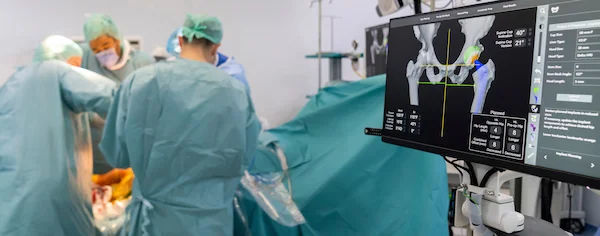
Surgery – In severe cases (like torn ligaments or advanced arthritis), procedures like arthroscopy or knee replacement may be needed.
Preventing Knee Pain
The following measures can help prevent knee pain:
Warm-up before exercise to avoid injuries.
Wear proper footwear with good arch support.
Maintain strong leg muscles (quadriceps, hamstrings) to support the knee.
Avoid sudden high-impact activities if you’re not conditioned for them.
When to Consider Professional Help
If knee pain is affecting your daily life, it’s best to consult a specialist. At Apollo 24|7, you can book an online consultation with an orthopaedic doctor or schedule diagnostic tests like X-rays or MRIs for a proper diagnosis. Early intervention can prevent long-term damage.
Final Thoughts
Knee pain doesn’t have to control your life. With the right care, whether through home remedies, exercises, or medical treatment, you can regain mobility and comfort. Listen to your body, take preventive steps, and don’t hesitate to seek professional help when needed.
Consult an Orthopaedician for the best advice
Consult an Orthopaedician for the best advice

Dr Anika Sait
Orthopaedician
5 Years • MBBS, MS (Ortho) MRCS (Edin.) Diploma in sports medicine (International Olympic Committee)
Bengaluru
Apollo Hospitals Jayanagar, Bengaluru

Dr. Sameer Chaudhari
Orthopaedician
10 Years • MBBS, MS (Ortho), D.Ortho
Mumbai
Apollo Hospitals CBD Belapur, Mumbai

(50+ Patients)

Dr. Preetham Raj Chandran
Orthopaedician
10 Years • MBBS, MS (Orthopedics), FIASM, FIJR
Bangalore
Apollo Clinic Bellandur, Bangalore

Dr Adnan Asif
Orthopaedician
7 Years • MBSS, D.ortho, DNB
Bangalore
Apollo Clinic Bellandur, Bangalore

Dr. Abhey Wasdev
Orthopaedician
12 Years • MBBS, MS - Orthopaedics, FIASM (FRGUHS/ISAKOS), Fellowship in Arthroscopy, Sports Injury, Joint Preservation Surgery and Regenerative Medicine
Bengaluru
Apollo Clinic, Sarjapur Road, Bengaluru