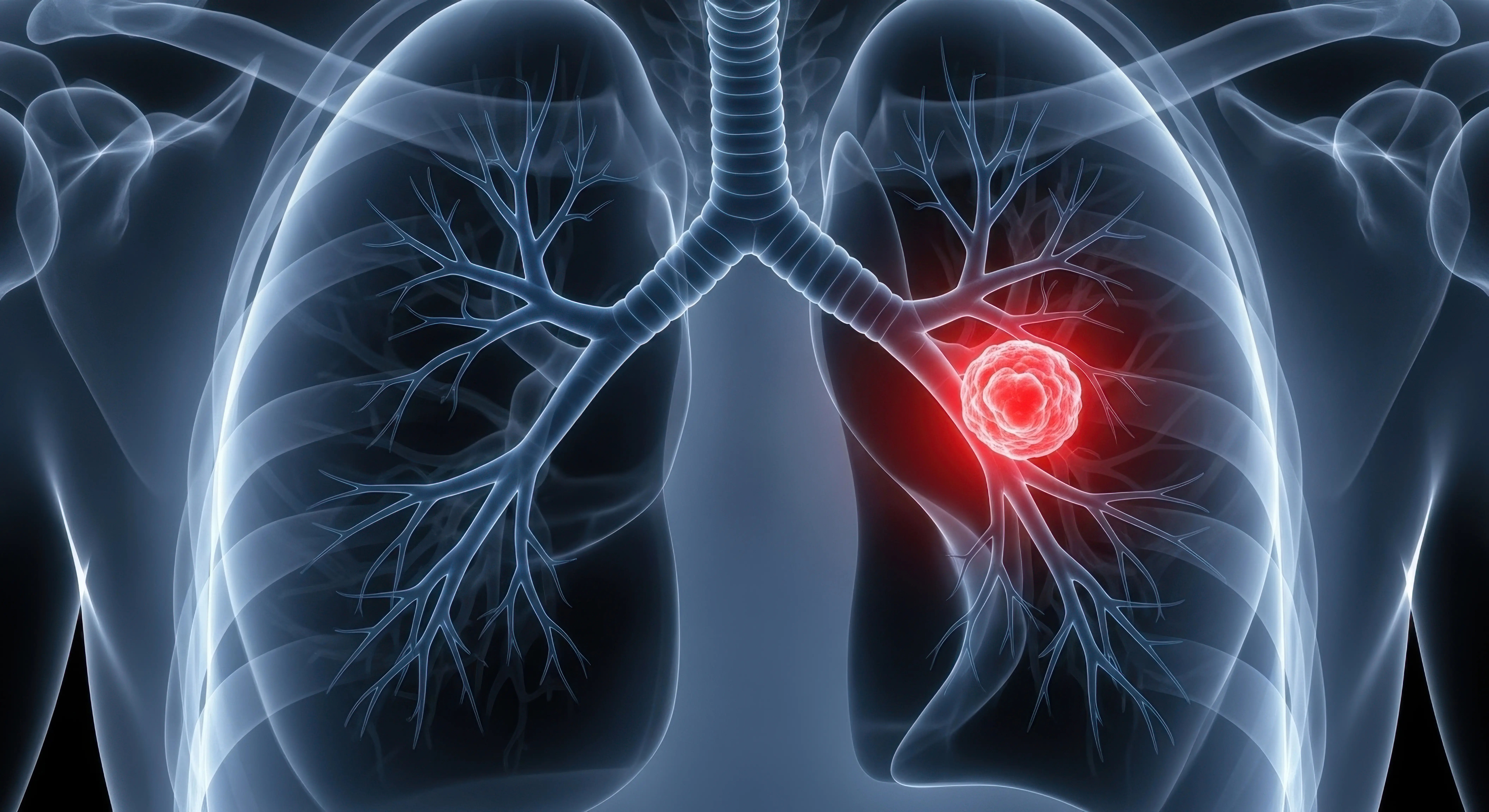
Lung Cancer Screening Guidelines and Information
Learn about lung cancer screening, who should get screened, and how early detection through LDCT scans can save lives. Get guidelines, risks, and prevention tips.
Written by Dr. Dhankecha Mayank Dineshbhai
Reviewed by Dr. Md Yusuf Shareef MBBS, Advanced Certificate Course in Dermatology
Last updated on 13th Jan, 2026
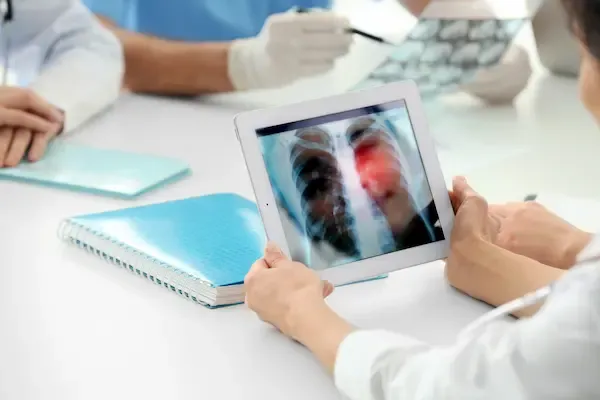
Lung cancer is one of the most common cancers worldwide, and early detection can significantly improve treatment outcomes. If you or a loved one are at risk, understanding lung cancer screening guidelines can help you take proactive steps toward better health.
What Is Lung Cancer Screening?
Lung cancer screening involves checking for early signs of lung cancer in people who have no symptoms but are at high risk. The primary screening method is a low-dose computed tomography (LDCT) scan, which uses minimal radiation to create detailed images of the lungs.
Early detection through screening can help identify cancer at a stage when it is more treatable, improving survival rates.
Who Should Get Screened?
Not everyone needs lung cancer screening. The U.S. Preventive Services Task Force (USPSTF) and other health organizations recommend screening for individuals who meet the following criteria:
- Age 50–80 years
- Current smokers or those who quit within the past 15 years
- A smoking history of at least 20 pack-years (e.g., 1 pack/day for 20 years or 2 packs/day for 10 years)
If you fall into this high-risk category, discussing screening with your doctor is essential.
Why Is Screening Important?
Lung cancer often shows no symptoms in its early stages. By the time symptoms like persistent cough, chest pain, or unexplained weight loss appear, the cancer may have already advanced. Screening helps detect lung cancer early, when treatment is most effective.
What Happens During a Screening?
An LDCT scan is quick, painless, and non-invasive. Here’s what to expect:
1. Preparation: No special preparation is needed. You may be asked to remove metal objects.
2. The Scan: You lie on a table that slides into a CT scanner. The machine takes images of your lungs while you hold your breath for a few seconds.
3. Results: A radiologist reviews the images and shares findings with your doctor.
If abnormalities are found, further tests (like a biopsy) may be recommended.
Consult a Top Pulmonologist for the best advice
Benefits and Risks of Screening
Benefits:
- Early detection improves survival rates.
- Minimally invasive with no needles or incisions.
- Quick procedure (takes about 10 minutes).
Risks:
- False positives: Some scans may detect non-cancerous nodules, leading to unnecessary follow-up tests.
- Radiation exposure: Although low, repeated scans may slightly increase cancer risk.
- Overdiagnosis: Some slow-growing cancers may not need immediate treatment.
Your doctor can help weigh these pros and cons based on your health history.
How to Reduce Your Risk of Lung Cancer
While screening is crucial for high-risk individuals, prevention is always better than cure. Here are some ways to lower your risk:
1. Quit Smoking
- Smoking is the leading cause of lung cancer.
- Seek support through counseling, nicotine replacement therapy, or medications.
2. Avoid Secondhand Smoke
- Even if you don’t smoke, exposure to smoke increases risk.
3. Test for Radon
- Radon, a natural radioactive gas found in homes, is the second-leading cause of lung cancer.
- Use a radon test kit to check your home.
4. Limit Exposure to Carcinogens
- Workplace chemicals (asbestos, arsenic, diesel exhaust) can increase risk. Use protective gear if needed.
5. Eat a Healthy Diet
- A diet rich in fruits, vegetables, and whole grains supports lung health.
6. Exercise Regularly
- Physical activity improves lung function and overall health.
When to See a Doctor
If you experience any of the following symptoms, consult a doctor—even if you’ve had a normal screening:
- Persistent cough
- Chest pain
- Shortness of breath
- Coughing up blood
- Unexplained weight loss
How to Schedule a Lung Cancer Screening
If you meet the screening criteria, talk to your doctor about getting an LDCT scan. You can also book a consultation or schedule a screening test through Apollo 24|7 for a hassle-free experience.
Final Thoughts
Lung cancer screening saves lives by catching the disease early. If you’re at high risk, don’t delay—speak to your healthcare provider today. Making healthy lifestyle changes and staying informed can further protect your lung health.
Take charge of your health—early detection matters!
Would you like to schedule a screening or consult a specialist? Visit Apollo 24|7 for expert guidance and support.
Consult a Top Pulmonologist for the best advice
Consult a Top Pulmonologist for the best advice

Dr. Vallabhaneni Viswambhar
Pulmonology Respiratory Medicine Specialist
19 Years • MBBS, MD (PULMONOLOGY)
Chennai
Apollo Speciality Hospitals OMR, Chennai
(125+ Patients)

Dr Abhishek Verma
Pulmonology Respiratory Medicine Specialist
5 Years • MD (Respiratory Medicine), PDCC (Interventional Pulmonology) Alumni SGPGIMS & KGMU Lucknow
Lucknow
Apollomedics Super Speciality Hospital, Lucknow
(50+ Patients)
Dr. Sumant Mantri
Pulmonology Respiratory Medicine Specialist
15 Years • MBBS, DNB, FCCP
Bengaluru
Apollo Hospitals Bannerghatta Road, Bengaluru
(100+ Patients)
Dr. P Sravani
Pulmonology Respiratory Medicine Specialist
3 Years • MBBS, MD
Visakhapatnam
Apollo Clinic Vizag, Visakhapatnam
Dr. Alagesan Chandran A
General Physician/ Internal Medicine Specialist
37 Years • MBBS, MD General Medicine
Bengaluru
Apollo Clinic, Sarjapur Road, Bengaluru
Consult a Top Pulmonologist for the best advice
Dr. Vallabhaneni Viswambhar
Pulmonology Respiratory Medicine Specialist
19 Years • MBBS, MD (PULMONOLOGY)
Chennai
Apollo Speciality Hospitals OMR, Chennai
(125+ Patients)
Dr Abhishek Verma
Pulmonology Respiratory Medicine Specialist
5 Years • MD (Respiratory Medicine), PDCC (Interventional Pulmonology) Alumni SGPGIMS & KGMU Lucknow
Lucknow
Apollomedics Super Speciality Hospital, Lucknow
(50+ Patients)
Dr. Sumant Mantri
Pulmonology Respiratory Medicine Specialist
15 Years • MBBS, DNB, FCCP
Bengaluru
Apollo Hospitals Bannerghatta Road, Bengaluru
(100+ Patients)
Dr. P Sravani
Pulmonology Respiratory Medicine Specialist
3 Years • MBBS, MD
Visakhapatnam
Apollo Clinic Vizag, Visakhapatnam
Dr. Alagesan Chandran A
General Physician/ Internal Medicine Specialist
37 Years • MBBS, MD General Medicine
Bengaluru
Apollo Clinic, Sarjapur Road, Bengaluru