


Understanding Melanoma Symptoms, Causes, and Treatment
Understand the signs of melanoma, the most serious type of skin cancer. Learn about its causes, key symptoms to watch for, and the latest treatment options.

Written by Dr. Shaik Abdul Kalam
Reviewed by Dr. D Bhanu Prakash MBBS, AFIH, Advanced certificate in critical care medicine, Fellowship in critical care medicine
Last updated on 13th Jan, 2026
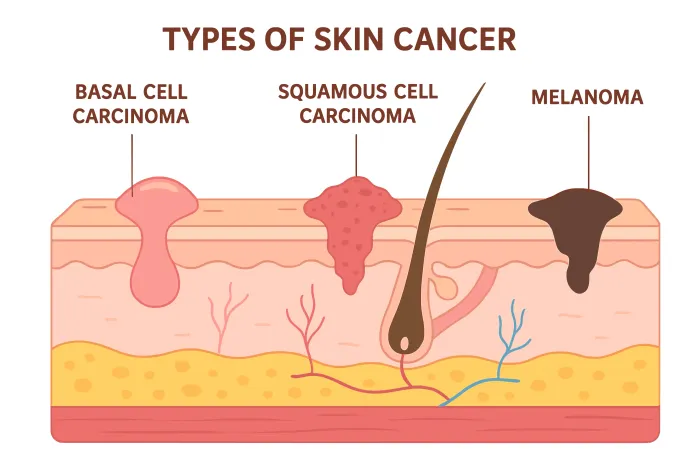
Melanoma is a serious type of skin cancer that develops in the cells (melanocytes) that produce melanin—the pigment that gives your skin its color. While it is less common than other skin cancers, melanoma is more dangerous because it can spread to other parts of the body if not detected early. The good news is that when caught early, melanoma is highly treatable.
In this article, we’ll break down everything you need to know about melanoma—its symptoms, causes, risk factors, and treatment options—in simple, easy to understand terms.
What Are the Symptoms of Melanoma?
Melanoma often appears as an unusual mole or a change in an existing mole. To help identify potential warning signs, doctors use the "ABCDE rule":
- A – Asymmetry: One half of the mole does not match the other.
- B – Border: The edges are irregular, blurred, or jagged.
- C – Color: The mole has uneven coloring (shades of brown, black, red, white, or blue).
- D – Diameter: The mole is larger than 6mm (about the size of a pencil eraser), though some melanomas can be smaller.
- E – Evolving: The mole changes in size, shape, or color over time.
Other warning signs include:
- A sore that doesn’t heal
- Itching, tenderness, or pain in a mole
- Spreading of pigment from the mole into surrounding skin
- If you notice any of these changes, it’s important to see a doctor right away.
What Causes Melanoma?
Melanoma occurs when something goes wrong in the melanocytes (pigment-producing cells). While the exact cause isn’t always clear, the following factors play a role:
1. UV Radiation Exposure
- Sunlight: Excessive exposure to ultraviolet (UV) rays from the sun increases the risk.
- Tanning Beds: Artificial UV light from tanning beds is also harmful.
2. Skin Type and Genetics
- People with fair skin, freckles, or light hair are at higher risk.
- A family history of melanoma increases the chances of developing it.
3. Moles and Skin Conditions
- Having many moles or unusual (dysplastic) moles raises the risk.
- A weakened immune system (due to illness or medications) can also contribute.
How Is Melanoma Diagnosed?
If a doctor suspects melanoma, they may perform:
- Skin Examination: Checking moles and skin changes.
- Biopsy: Removing a small sample of the suspicious mole for lab testing.
- Imaging Tests (if needed): CT scans or MRIs to check if cancer has spread.
- Early detection is key, so regular skin checks—both selfexams and professional dermatologist visits—are crucial.
Treatment Options for Melanoma
Treatment depends on the stage of melanoma:
1. Early Stage Melanoma (Localized)
- Surgery: Removing the cancerous mole and a small margin of healthy skin.
- Lymph Node Biopsy: Checking if cancer has spread to nearby lymph nodes.
2. Advanced Melanoma (Spread to Other Areas)
- Immunotherapy: Boosts the immune system to fight cancer.
- Targeted Therapy: Attacks specific genetic mutations in cancer cells.
- Radiation or Chemotherapy: Used in some cases where melanoma has spread.
How Can You Reduce Your Risk?
Prevention is better than cure. Here’s how you can protect yourself:
1. Sun Protection
- Use broadspectrum sunscreen (SPF 30+) daily, even on cloudy days.
- Wear protective clothing, hats, and sunglasses.
- Avoid peak sun hours (10 AM – 4 PM).
2. Avoid Tanning Beds
Artificial UV rays significantly increase melanoma risk.
3. Regular Skin Checks
- Examine your skin monthly for new or changing moles.
- Visit a dermatologist once a year for a professional skin exam.
4. Know Your Risk Factors
If you have a family history or many moles, be extra vigilant.
When to See a Doctor?
If you notice any unusual skin changes, don’t wait—schedule an appointment with a dermatologist immediately. Early detection saves lives.
Need Expert Advice?
If you're concerned about a mole or skin changes, you can book a consultation with a dermatologist through Apollo 24|7. Early diagnosis and treatment can make all the difference.
Final Thoughts
Melanoma is a serious condition, but with awareness, prevention, and early detection, it can be effectively managed. Protect your skin, stay alert to changes, and seek medical advice if something doesn’t look right. Stay safe and take care of your skin—it’s the only one you’ve got! Would you like to schedule a skin check? Visit Apollo 24|7 to book an appointment today.
Consult a General Physician For The Best Advice
Consult a General Physician For The Best Advice

Dr. Rajib Ghose
General Physician/ Internal Medicine Specialist
25 Years • MBBS
East Midnapore
VIVEKANANDA SEBA SADAN, East Midnapore

Dr. Sowminarayanan R
General Physician/ Internal Medicine Specialist
30 Years • MBBS, Dip (NB), MNAMS
Chennai
Apollo Speciality Hospitals, Teynampet, Chennai

Dr. Santa Subhra Chatterjee
General Physician/ Internal Medicine Specialist
26 Years • M.B.B.S., M.D. (Internal Medicine), MRCP (UK)
Kolkata
Apollo Hospitals, Narendrapur, Kolkata, Kolkata

Dr. B Sivananda Reddy
General Physician
12 Years • D M ( OSMANIA MEDICAL COLLEGE, KNRUHS ) MD ( KASTURBA MEDICAL COLLEGE , MAHE) MBBS ( PESIMS&R, NTRUHS).
Hyderguda
Apollo Hospitals Hyderguda, Hyderguda

Dr. Impana G N
Physician/ Internal Medicine/ Covid Consult
11 Years • MBBS,DNB FAMILY MEDICINE, MNAMS ,CCEBDM
Mysuru
Apollo BGS Hospital Adichuchanagiri Road, Mysuru