Menopause and Osteoporosis: Key Connections
Know about the menopause and osteoporosis connection, what is the risk associated with them, symptoms, how to protect osteoporosis during menopause and more.

Written by Dr. Mohammed Kamran
Reviewed by Dr. Shaik Abdul Kalam MD (Physician)
Last updated on 13th Jan, 2026
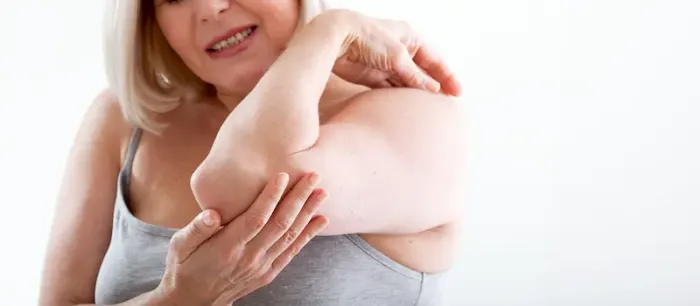
Introduction
Menopause is a natural phase in a woman’s life, marking the end of her reproductive years. While it brings many changes, one of the most significant health concerns linked to menopause is osteoporosis—a condition that weakens bones, making them fragile and more prone to fractures. Understanding the connection between menopause and osteoporosis can help women take proactive steps to protect their bone health.
What is Osteoporosis?
Osteoporosis is a condition where bones become weak and brittle due to a loss of bone density. Normally, bones are constantly being broken down and rebuilt in a balanced process. However, as we age especially after menopause this balance is disrupted, leading to more bone loss than formation.
Consult Top Gynaecologist for Personalised Advice
Why Does Menopause Increase the Risk of Osteoporosis?
The primary reason is the decline in estrogen, a hormone that plays a crucial role in maintaining bone strength. Estrogen helps regulate bone remodeling by slowing down bone loss. During menopause, estrogen levels drop significantly, leading to accelerated bone loss.
Key Risk Factors for Osteoporosis in Menopausal Women:
Age: Bone density naturally decreases with age.
Early menopause (before 45): Less estrogen over time means higher bone loss.
Family history of osteoporosis: Genetics can play a role.
Low calcium and vitamin D intake: Essential for bone health.
Sedentary lifestyle: Lack of exercise weakens bones.
Smoking and excessive alcohol: Both contribute to bone loss.
Symptoms of Osteoporosis
Osteoporosis is often called a "silent disease" because it progresses without noticeable symptoms until a fracture occurs. Some warning signs include:
Back pain (due to spinal fractures)
Loss of height over time (from compressed vertebrae)
Stooped posture (dowager’s hump)
Frequent fractures (especially in the hip, wrist, or spine)
How to Protect Your Bones During and After Menopause?
Osteoporosis can be prevented or managed with the right lifestyle choices and medical care.
1. Nutrition for Strong Bones
Calcium-rich foods: Dairy (milk, yogurt, cheese), leafy greens (spinach, kale), almonds, and fortified foods.
Vitamin D: Helps absorb calcium. Get sunlight exposure or consume fatty fish, eggs, and fortified cereals.
Protein: Essential for bone strength (lean meats, beans, lentils).
2. Exercise Regularly
Weight-bearing exercises: Walking, jogging, dancing, and stair climbing help maintain bone density.
Strength training: Lifting weights or using resistance bands strengthens bones and muscles.
Balance exercises: Yoga and tai chi reduce the risk of falls.
3. Avoid Bone-Damaging Habits
Quit smoking: Smoking speeds up bone loss.
Limit alcohol: More than one drink per day can weaken bones.
Reduce caffeine and salt: Excessive intake may decrease calcium absorption.
4. Medical Check-ups and Treatments
Bone density test (DEXA scan): Recommended for women over 65 or earlier if at high risk.
Hormone Replacement Therapy (HRT): May help some women by maintaining estrogen levels, but discuss risks with a doctor.
Calcium and vitamin D supplements: If dietary intake is insufficient.
Prescription medications: Bisphosphonates and other drugs can slow bone loss.
When to See a Doctor?
If you’re experiencing menopause symptoms or are concerned about osteoporosis, consult a healthcare provider. Early detection and intervention can prevent fractures and maintain bone health.
Final Thoughts
Menopause is a natural transition, but the drop in estrogen can impact bone strength. By adopting a bone-friendly diet, staying active, and getting regular check-ups, women can reduce their risk of osteoporosis and enjoy a healthier, more active life after menopause.
Consult Top Gynaecologist for Personalised Advice
Consult Top Gynaecologist for Personalised Advice

Dr Jaya Kumar Agarwal
Obstetrician and Gynaecologist
25 Years • MBBS , DGO , DNB (obstetric and gynecology) DGE diploma in Gyne endoscopy (Germany )
Delhi
Apollo Hospitals Indraprastha, Delhi

Dr Lekha K L
Obstetrician and Gynaecologist
15 Years • MBBS,DGO & DNB in Obstetrics and Gynecology
Angamaly
Apollo Hospitals Karukutty, Angamaly

Dr. S Asha Devi
Obstetrician and Gynaecologist
13 Years • MS.OG .,MRCOG (UK)
Chennai
Apollo Speciality Hospitals OMR, Chennai

(125+ Patients)

Dr. Vandana Sinha
Obstetrician and Gynaecologist
14 Years • MBBS, MS(Obs & Gyn), Fellow in Gynec-Onco. & Gynec Endoscopy
Ahmedabad
Apollo Hospitals Gandhinagar, Ahmedabad
(225+ Patients)

Dr. Wahida Suresh
Obstetrician and Gynaecologist
27 Years • MBBS, DNB, MNAMS Obstetrician & Gynaecologist, Fertility Specialist
Chennai
Apollo Speciality Hospitals OMR, Chennai
(200+ Patients)