


How to Get Rid of Canker Sores: Top Evidence-Based Tips
Evidence-based canker sore remedies and mouth ulcer treatment tips to heal canker sores faster, relieve pain, and prevent recurrences. Learn what works.

Written by Dr. Mohammed Kamran
Reviewed by Dr. Md Yusuf Shareef MBBS, Advanced Certificate Course in Dermatology
Last updated on 14th Jan, 2026
Introduction
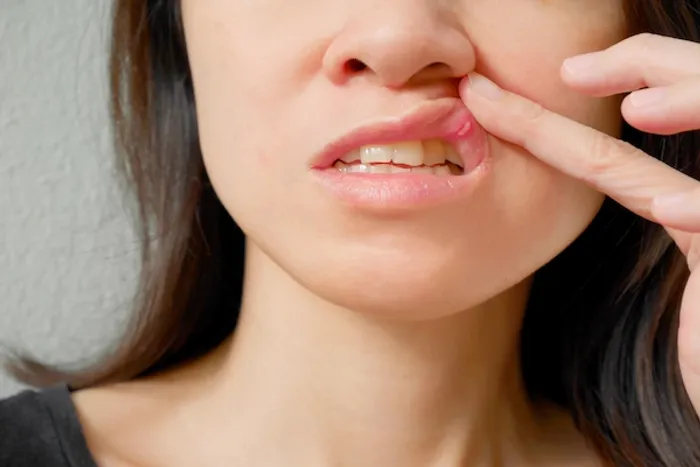
Canker sores (also called aphthous ulcers) are small, shallow ulcers that form inside the mouth and can make eating, drinking, and talking painful. The good news: most heal on their own, and there are proven ways to ease pain and help them go away sooner. In this guide, you’ll find practical canker sore remedies, mouth ulcer treatment options that work, and smart tips to help you heal canker sores and reduce how often they come back.
Consult a Top General Practitioner for Personalised Advice
What are Canker Sores?
The canker sores’ basic information, types include:
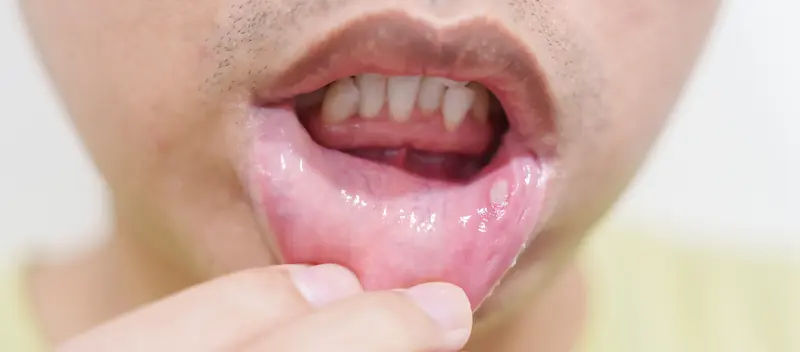
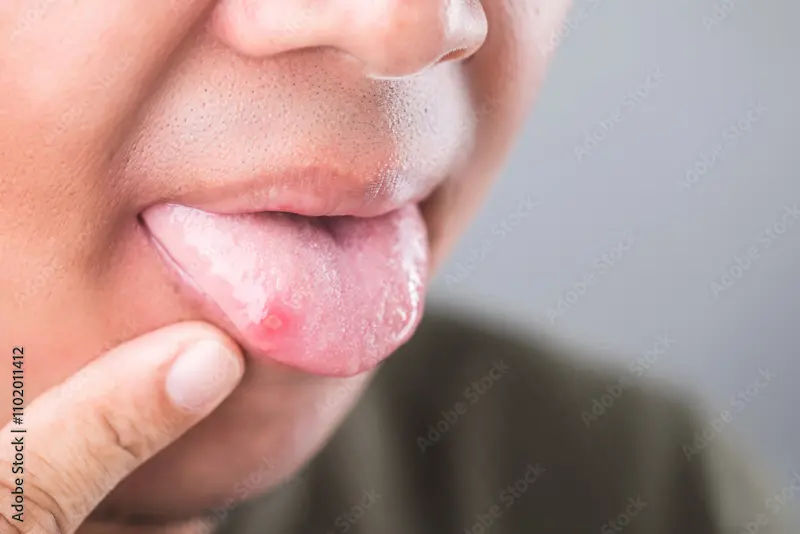
- Canker sores are noncontagious ulcers that appear inside the mouth on the inner lips or cheeks, tongue, soft palate, or gumline.
- They are different from cold sores (fever blisters). Cold sores are caused by the herpes simplex virus, are contagious, and usually appear on the lips or around the mouth.
Types:
- Minor canker sores: most common; small (under 1 cm), heal in 1–2 weeks.
- Major canker sores: larger, deeper; can take several weeks to heal and may scar.
- Herpetiform: clusters of tiny ulcers that may merge; not related to herpes infection.
- Triggers can include minor mouth injuries (biting your cheek, braces), stress, hormonal shifts, certain foods (acidic or spicy), and sometimes nutritional deficiencies (iron, folate, vitamin B12).
- Recurrent sores can also be associated with conditions like celiac disease or inflammatory bowel disease.
The Best Canker Sore Remedies for Quick Relief
These evidence-based steps can help reduce pain and support healing. Always follow product labels and talk with a healthcare professional if you have questions.
Soothing, Numbing, and Protective products (OTC)
- Topical anaesthetics: Gels or liquids with benzocaine or lidocaine can numb the area for short-term pain relief. Do not use benzocaine in children under 2 years old, and avoid exceeding recommended doses.
- Protective pastes and patches: Barrier pastes (often containing carboxymethylcellulose) or hydrogel patches shield the sore from friction while eating and talking, which can ease pain and may help healing.
- Oral pain relievers: Acetaminophen or ibuprofen can reduce overall pain. Use as directed and check for any personal contraindications.
Anti-inflammatory Prescription Gels/Pastes
- Topical corticosteroids: Applying a dental paste or gel with a steroid (for example, triamcinolone dental paste or fluocinonide 0.05%) early, ideally when you feel tingling before a sore appears, can lessen pain and shorten duration for many people. These are commonly prescribed and considered first-line therapy for frequent or painful sores. Use exactly as directed by your clinician.
Antimicrobial or Steroid Mouth Rinses (Prescription-Based)
- Chlorhexidine mouthwash: Can reduce bacteria that may irritate ulcers and may help with symptom control; typically used short-term to avoid staining and taste changes.
- Steroid rinses: In more severe cases, a clinician may prescribe a corticosteroid rinse (for example, dexamethasone). This can calm inflammation when multiple or large sores are present.
Home Care Tips For Comfort & Healing
Easy home care tips include:
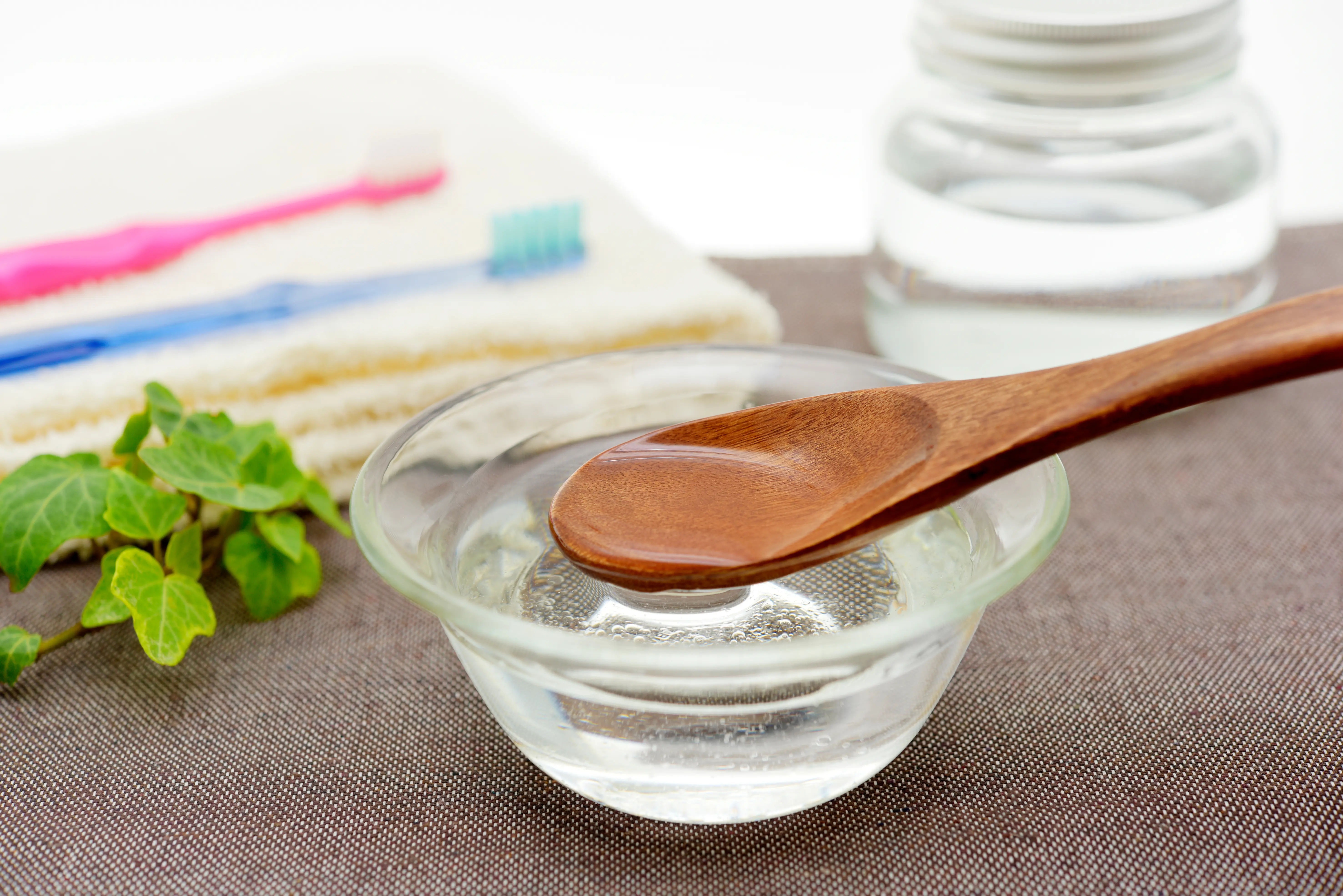
- Saltwater or baking soda rinse: Swish gently with 1/2 teaspoon of salt or baking soda dissolved in 8 ounces (240 mL) of warm water, 2–4 times daily.
- Milk of magnesia dab: Applying a small amount to the sore 3–4 times daily can coat and soothe the area.
- Ice chips: Let them melt over the sore to reduce pain.
- Gentle oral care: Use a soft-bristled toothbrush and be careful around the sore. Alcohol-free mouthwash may be less irritating.
- Avoid irritants: Skip spicy, salty, crunchy, or acidic foods (citrus, tomatoes, vinegar) and hot beverages until the sore heals.
- Avoid harsh agents: Strong alcohol-based mouthwashes or undiluted peroxide can irritate tissue and delay healing.
Mouth Ulcer Treatment For Frequent Outbreaks
If you get frequent, very painful, or large canker sores, stronger or preventive options may help.
Prescription Medicines
- Short courses of oral corticosteroids: For severe flares that make eating or drinking difficult, a clinician may prescribe an oral steroid briefly to calm inflammation.
- Amlexanox 5% paste (where available): A topical anti-inflammatory agent that can help reduce pain and healing time in some people.
- Other options your clinician may consider in select cases include sucralfate suspension (to coat sores). Antibiotic mouth rinses are not routinely used and are reserved for specific situations under professional guidance.
Low-Level Laser Therapy (in-office)
- Some dental clinics offer low-level laser therapy for canker sores. Small clinical studies suggest it can reduce pain quickly and may speed healing. This must be performed by trained professionals.
Check for Underlying Triggers or Conditions
The underlying triggers and conditions include:
- Nutritional deficiencies: Low iron, folate, or vitamin B12 can be associated with recurrent aphthous ulcers. If sores are frequent, ask your clinician about blood tests and whether supplements are appropriate.
- Medical conditions: Recurrent or severe sores can be linked with celiac disease, inflammatory bowel disease, or, less commonly, other immune conditions. Let your clinician know if you have symptoms like chronic diarrhoea, weight loss, joint pain, eye problems, or genital ulcers.
- Medications: Some medicines can irritate the mouth or increase the risk of ulcers. Share a full medication list with your clinician.
How to Heal & Prevent Canker Sores Faster?
Simple daily habits can make a real difference. These prevention-focused canker sore remedies are easy to try and are part of a balanced mouth ulcer treatment plan.
- Start treatment early: At the first tingle or tiny bump, apply a topical steroid paste (if prescribed) or a protective barrier product to reduce severity.
- Switch toothpaste (if needed): Some people find fewer sores with a sodium lauryl sulfate (SLS)-free toothpaste. Evidence is mixed, but it’s reasonable to try an SLS‑free option if you get frequent ulcers.
- Practice gentle oral hygiene: Use a soft brush and floss carefully to avoid irritating delicate tissue.
- Protect your mouth from friction: If braces, wires, or rough tooth edges rub your cheeks or lips, ask your dentist for orthodontic wax or smoothing.
- Identify your personal food triggers: Common culprits include nuts, chocolate, coffee, citrus, tomatoes, spicy foods, and vinegar. Keep a brief food-and-symptom log to spot patterns.
- Manage stress and prioritise sleep: Stress and fatigue can trigger outbreaks. Short relaxation breaks, movement, and regular sleep can help.
- Eat a nutrient-rich diet: Aim for iron-rich foods (legumes, leafy greens, lean meats), folate (greens, beans), and B12 (fish, dairy, fortified foods). Ask your clinician about testing and whether a supplement, such as vitamin B12, might help if you have recurrent sores.
- Stay hydrated: Dry mouth can worsen irritation; sip water regularly.
When to See a Dentist or Doctor?
Most canker sores heal within 1–2 weeks with self-care. Seek professional advice if:
- A sore lasts longer than 2 weeks, is unusually large, or is extremely painful
- You get sores very frequently or have multiple sores at once
- You have a fever, swollen lymph nodes, rash, or feel unwell
- You have trouble swallowing or drinking
- You notice sores spreading to the lips/skin (could be something else)
- You have other symptoms like weight loss, diarrhoea, eye/genital ulcers, or joint pain
- You have a weakened immune system or are on chemotherapy, biologics, or high-dose steroids
- A child has mouth ulcers with significant pain or dehydration
Key Takeaways
- Start early: The sooner you begin targeted care, the better the results.
- Combine comfort and control: Use pain-relieving and protective products plus a proven anti-inflammatory treatment if prescribed.
- Prevent recurrences: Identify triggers, consider an SLS‑free toothpaste, practice gentle oral care, and address possible nutrient deficiencies.
- Get help when needed: Persistent, severe, or frequent sores deserve a professional evaluation.
By following these evidence-based canker sore remedies and mouth ulcer treatment strategies, most people can heal canker sores faster, feel better sooner, and reduce the chances of another flare.
Consult a Top General Practitioner for Personalised Advice
Consult a Top General Practitioner for Personalised Advice

Dr Suseela
General Physician
5 Years • MBBS
Bengaluru
Apollo Medical Center, Marathahalli, Bengaluru

Dr. Tanmaya Kumar Sahu
General Physician/ Internal Medicine Specialist
12 Years • MBBS, MD ( Internal Medicine )
Bhubaneswar
Apollo Hospitals Old Sainik School Road, Bhubaneswar

(25+ Patients)

Dr Haripriya S G
Family Physician
22 Years • MBBS, PGD (Family Medicine)
Bengaluru
Apollo Clinic, JP nagar, Bengaluru

Dr. Imtiyaz Khan
General Practitioner
6 Years • MD (Physician), Fellowship in Critical Care,AFIH
Bengaluru
Apollo Clinic, Sarjapur Road, Bengaluru

Dr. Ashita Kuruvilla
General Practitioner
7 Years • MBBS
Kolkata
KVC CLINIC, Kolkata
Consult a Top General Practitioner for Personalised Advice
Dr Suseela
General Physician
5 Years • MBBS
Bengaluru
Apollo Medical Center, Marathahalli, Bengaluru
Dr. Tanmaya Kumar Sahu
General Physician/ Internal Medicine Specialist
12 Years • MBBS, MD ( Internal Medicine )
Bhubaneswar
Apollo Hospitals Old Sainik School Road, Bhubaneswar
(25+ Patients)
Dr Haripriya S G
Family Physician
22 Years • MBBS, PGD (Family Medicine)
Bengaluru
Apollo Clinic, JP nagar, Bengaluru
Dr. Imtiyaz Khan
General Practitioner
6 Years • MD (Physician), Fellowship in Critical Care,AFIH
Bengaluru
Apollo Clinic, Sarjapur Road, Bengaluru
Dr. Ashita Kuruvilla
General Practitioner
7 Years • MBBS
Kolkata
KVC CLINIC, Kolkata
More articles from Mouth UlcerMouth Ulcer
Frequently Asked Questions
Are canker sores contagious?
No. Canker sores happen inside the mouth and are not caused by a virus, so you can’t spread them. Cold sores (fever blisters), which appear on or around the lips, are caused by herpes simplex virus and are contagious.
What deficiency causes canker sores?
Not all canker sores are due to deficiencies, but low levels of iron, folate, or vitamin B12 are linked with recurrent ulcers in some people. If you get frequent sores, ask your clinician about testing and whether supplements could help.
What’s the best over-the-counter product for pain right now?
Topical anaesthetics (like benzocaine) can numb pain temporarily, and protective barrier pastes can shield the sore. For many people, the most effective regimen is a combination: a protective paste by day and, if prescribed, a topical steroid at the earliest sign of a sore. Always follow label directions. Do not use benzocaine in children under 2 years old.
Should I use hydrogen peroxide on a canker sore?
It’s best to avoid strong or undiluted peroxide and alcohol-based mouthwashes because they can irritate tissue and delay healing. Instead, try a saltwater or baking soda rinse, a protective paste, and targeted medicated products that are known to help.
How long do canker sores last, and when should I worry?
Minor sores usually heal within 1–2 weeks. If a sore lasts longer than 2 weeks, is very large, keeps coming back often, or you have other symptoms like fever or swollen glands, see a dentist or doctor to rule out other causes and discuss stronger treatments.