


The Ultimate Guide to Packing a Healthy Tiffin Box Your Child Will Love
Know about the healthy tiffin box package for kids, why it's important, essential components of healthy tiffin food, foods to avoid, challenges while packing food and more.

Introduction
Packing your child's tiffin box each morning can feel like a high-stakes mission. Will they eat it? Is it nutritious enough? Or will it come back untouched, leaving you worried and frustrated? You're not alone. In a world of sugary treats and canteen junk food, ensuring your child gets a wholesome, home-cooked meal is one of the most impactful things you can do for their health. This comprehensive guide is designed to transform this daily chore into a simple, enjoyable ritual. We'll move beyond the usual aloo paratha and delve into the art and science of how to pack health into your child's tiffin box. From understanding essential nutrients to creative presentation hacks and time-saving strategies, consider this your go-to resource for raising a happy, healthy eater.
Consult a Nutritionist for Personalised Advice
Why a Nutritious Tiffin Box is a Game-Changer for Your Child
That humble steel box is more than just a container for food; it's a powerhouse that fuels your child's entire day. While it's tempting to rely on packaged snacks for convenience, a thoughtfully prepared tiffin provides irreplaceable benefits.
Fueling Growth and Development
Childhood is a period of rapid physical and cognitive development. Their bodies need a constant supply of high-quality nutrients to build strong bones, muscles, and organs. A tiffin rich in proteins, calcium, vitamins, and minerals acts as the essential building blocks for this growth. Unlike empty calories from processed foods, a balanced meal ensures that they are getting the raw materials they need to thrive.
Boosting Concentration and Academic Performance
Have you ever noticed a slump in energy after a heavy, sugary meal? The same happens to children. A tiffin box loaded with refined carbs and sugar can lead to a blood sugar spike and crash, causing lethargy and poor focus in afternoon classes. Conversely, a balanced meal with complex carbohydrates, proteins, and healthy fats provides a steady release of energy, keeping their brain alert and enhancing memory and concentration. Studies have shown a direct correlation between good nutrition and improved academic performance.
Establishing Lifelong Healthy Eating Habits
The food choices we make for our children lay the foundation for their relationship with food as adults. By consistently packing healthy and diverse options, you're subtly teaching them to appreciate whole foods. This early exposure helps develop their palate, reduces fussy eating tendencies, and instils habits that can protect them from lifestyle diseases like obesity and diabetes later in life.
The Building Blocks of a Perfectly Balanced Tiffin Meal
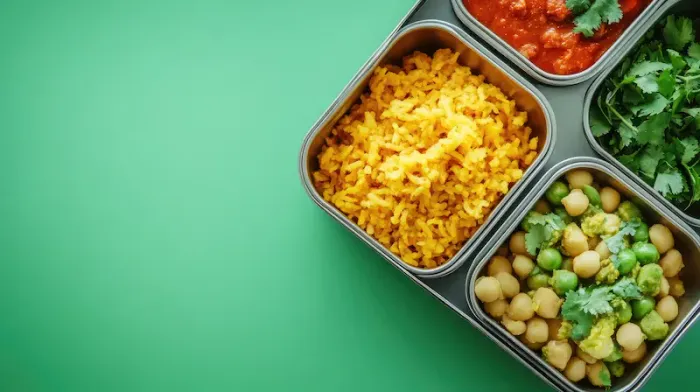
Think of the tiffin box as a canvas divided into sections. Aiming for a mix of the following food groups ensures a nutritionally complete meal.
Energy-Boosting Carbohydrates (The Foundation)
Carbohydrates are the primary source of energy. Opt for complex carbs that digest slowly.
1. Examples: Whole wheat chapatis, parathas (stuffed with greens or lentils), brown rice, poha, upma, whole wheat pasta, or idlis.
2. Avoid: White bread, refined flour (maida) based items like noodles or pastries, which offer little nutritional value.
Body-Building Proteins (The Sustenance)
Proteins are crucial for muscle repair, growth, and keeping your child full for longer.
1. Examples: Dal (lentil) stuffed parathas, paneer cubes/chunks, boiled eggs, chickpeas (chana), chicken or fish kebabs (if non-veg), sprouts, or yoghurt.
2. Pro Tip: A small box of yoghurt (dahi) is an excellent source of protein and probiotics.
Vitamin-Rich Fruits and Vegetables (The Immunity Boosters)
This is where you can add colour, crunch, and a mega-dose of vitamins and fibre.
1. Examples: Cucumber, carrot, and beetroot sticks; cherry tomatoes; bell pepper slices; steamed broccoli; or a small portion of seasonal fruit like an apple, orange, or a handful of berries.
2. Presentation is Key: Cut vegetables into fun shapes using cookie cutters to make them more appealing.
Healthy Fats and Dairy (For Brain and Bones)
Healthy fats are essential for brain development.
1. Examples: Nuts and seeds (almonds, walnuts, pumpkin seeds)—ensure they are allowed in your child's school. A cheese slice or cubes, or milk-based desserts like shrikhand, can be occasional treats. If your child has a low appetite or is underweight, consulting a pediatric nutritionist on Apollo24|7 can help you create a tailored plan to incorporate calorie-dense, healthy foods.
Creative and Fun Tiffin Box Ideas to Beat Lunchbox Boredom
Monotony is the enemy of a clean tiffin box. A little creativity can go a long way.
The Bento Box Revolution: Making Food Visually Appealing
Invest in a compartmentalised Bento-style lunch box. This allows you to create a visually stunning meal without the different items touching each other—a big win for many kids. You can create faces with a chapati base, vegetable hair, and paneer eyes. Use colourful silicone cups to separate a nut mix from fruit pieces.
5 Wholesome Indian Tiffin Ideas for the Week
1. Monday: Methi Thepla with yoghurt and a side of sliced mango.
2. Tuesday: Vegetable Pulao with cucumber raita in a small separate container.
3. Wednesday: Paneer Kathi Rolls (whole wheat wrap with spiced paneer and onions).
4. Thursday: Moong Dal Cheela with a teaspoon of green chutney.
5. Friday: Fun Food Day - Whole wheat pasta with a hidden vegetable sauce, and a fruit salad.
Fusion and No-Cook Options for Busy Mornings
These include:
1. Sandwiches: Use whole wheat bread with fillings like hummus and veggies, peanut butter and banana, or egg salad.
2. Chaat Style: Send a box of boiled chickpeas or potato cubes with separate containers for spices and tamarind chutney. Let them assemble it at school.
3. No-Cook Platter: Whole wheat crackers, cheese cubes, fruit, and nuts.
Pro Tips for Packing a Safe and Appealing Tiffin
The tips include:
Invest in the Right Gear: Leap-Proof Containers and Thermos
A good container is non-negotiable. Choose stainless steel or good-quality BPA-free plastic with tight-sealing lids. A small thermos is perfect for sending warm foods like soups, pasta, or daliya in winter, ensuring the meal stays appetising.
The Weekend Prep Strategy: Your Secret Weapon
Mornings are chaotic. Dedicate an hour on Sunday to prep: chop vegetables and store them in airtight boxes in the fridge; prepare and freeze paratha dough; make and freeze a batch of sandwich spreads like beetroot hummus. This makes morning packing a 10-minute task.
Involving Your Child in the Packing Process
Take your child grocery shopping and let them pick a new fruit or vegetable to try. Ask them to choose between two healthy options for their tiffin ("Should we pack pasta or paratha tomorrow?"). When children are involved in the decision-making, they are more likely to eat what's packed.
Navigating Common Tiffin-Packing Challenges
The challenges include:
Dealing with a Picky Eater
This is the biggest hurdle. The key is patience and persistence.
1. Don't give up: It can take 10-15 exposures to a new food before a child accepts it.
2. Start small: Place one piece of broccoli alongside their favourite food without pressure.
3. Camouflage: Grate vegetables like zucchini or carrots into the dough for parathas or into the sauce for pasta.
What to Do When the Tiffin Comes Back Full
Stay calm. Avoid turning it into a power struggle. Instead of asking "Why didn't you eat?", try "I noticed your tiffin is still full. Were you not hungry, or did you not like what was packed?" Use their feedback to adjust future meals. If you are concerned about a consistently poor appetite or significant weight loss, it's wise to consult a paediatrician on Apollo24|7 to rule out any underlying issues.
Foods to Avoid for Optimal Health
1. Sugary Drinks: Pack water instead of juice boxes or soda.
2. Highly Processed Snacks: Avoid chips, cookies, and instant noodles. They are high in salt, sugar, and unhealthy fats.
3. Sticky Foods: Foods like chocolate bars can get messy and are bad for dental health.
Conclusion
Packing a healthy tiffin box is an act of love that pays dividends in your child's well-being, both today and in the future. It doesn't have to be perfect or Instagram-worthy every single day. The goal is consistency and a commitment to providing wholesome nutrition. Start by implementing one or two tips from this guide, like the weekend prep or adding one new vegetable each week. Remember, you are your child's first and most important teacher when it comes to health. By making their tiffin box a priority, you are giving them the gift of vitality and setting them up for a lifetime of healthy choices.
Consult a Nutritionist for Personalised Advice
Consult a Nutritionist for Personalised Advice

Ms. Sushma Jaiswal
Dietician
42 Years • M.Sc.(Food & Nutrition)
Bengaluru
Swasthya Nutrition, Bengaluru

Ms. Neelanjana J
Dietician
5 Years • Bsc., Msc. Nutrition and Dietetics specialised general weight management, PCOS/PCOD weight loss and Diabetes management. A clinical dietitian with 4+ year experience specializing in evidence-based, result-oriented nutrition therapy. I have extensive experience in weight loss, thyroid management, PCOD/PCOS, weight gain, and diabetes & prediabetes care. My approach is personalized, practical, and sustainable—focusing on helping individuals achieve long-term lifestyle change rather than quick fixes. I work closely with clients to understand their medical history, lifestyle, and goals, and then design customized diet plans that support hormonal balance, metabolic health, and overall wellbeing. My goal is to make nutrition simple, realistic, and effective—so you see measurable results and feel your healthiest self.Auther in Health benefits of jackfruit (Artocarpus heterophyllus Lam.) seeds: A review (2023) The Pharma Innovation Journal Co- Auther in Malnutrition in Women: A review (2023) The Pharma Innovation Journal. Highfield Level 3 in HACCP. Highfield Level 4 International Award in Food Safety Managment
Bengaluru
Apollo Clinic, JP nagar, Bengaluru

Ms. Soma Saha
clinical nutrition
17 Years • B.Sc. - Home Science (Food & Nutrition), M.Sc. - Home Science (Food & Nutrition)
Kolkata
Dr Utsa Basu Clinic, Kolkata

(50+ Patients)

Ms Mohanapriya J
clinical nutrition
12 Years • MSc Clinical Nutrition
Chennai
Apollo Sugar Clinics , Greams Road, Chennai

Ms. Samapti Maity
Dietician
16 Years • MSc. (Clinical Nutrition & Dietitics), NDEP, Course in Maternal Infant Young Child Nutrition.Diploma in Sports Nutrition, Diploma in Diabetic educator, FODMAP Specialist
Kolkata
BIENETRE CLINIC, Kolkata
Consult a Nutritionist for Personalised Advice
Ms. Sushma Jaiswal
Dietician
42 Years • M.Sc.(Food & Nutrition)
Bengaluru
Swasthya Nutrition, Bengaluru
Ms. Neelanjana J
Dietician
5 Years • Bsc., Msc. Nutrition and Dietetics specialised general weight management, PCOS/PCOD weight loss and Diabetes management. A clinical dietitian with 4+ year experience specializing in evidence-based, result-oriented nutrition therapy. I have extensive experience in weight loss, thyroid management, PCOD/PCOS, weight gain, and diabetes & prediabetes care. My approach is personalized, practical, and sustainable—focusing on helping individuals achieve long-term lifestyle change rather than quick fixes. I work closely with clients to understand their medical history, lifestyle, and goals, and then design customized diet plans that support hormonal balance, metabolic health, and overall wellbeing. My goal is to make nutrition simple, realistic, and effective—so you see measurable results and feel your healthiest self.Auther in Health benefits of jackfruit (Artocarpus heterophyllus Lam.) seeds: A review (2023) The Pharma Innovation Journal Co- Auther in Malnutrition in Women: A review (2023) The Pharma Innovation Journal. Highfield Level 3 in HACCP. Highfield Level 4 International Award in Food Safety Managment
Bengaluru
Apollo Clinic, JP nagar, Bengaluru
Ms. Soma Saha
clinical nutrition
17 Years • B.Sc. - Home Science (Food & Nutrition), M.Sc. - Home Science (Food & Nutrition)
Kolkata
Dr Utsa Basu Clinic, Kolkata
(50+ Patients)
Ms Mohanapriya J
clinical nutrition
12 Years • MSc Clinical Nutrition
Chennai
Apollo Sugar Clinics , Greams Road, Chennai
Ms. Samapti Maity
Dietician
16 Years • MSc. (Clinical Nutrition & Dietitics), NDEP, Course in Maternal Infant Young Child Nutrition.Diploma in Sports Nutrition, Diploma in Diabetic educator, FODMAP Specialist
Kolkata
BIENETRE CLINIC, Kolkata
Frequently Asked Questions
1. My child is a very picky eater and only eats plain rice or bread. What should I do?
Start by incorporating small, non-threatening changes. Mix a little dal into the rice, or make a face on the bread with a thin layer of peanut butter and raisin eyes. The goal is gradual exposure. Consistency and avoiding mealtime battles are key.
2. How can I keep the food warm until lunchtime?
Invest in a good-quality thermos flask. Preheat the thermos by filling it with hot water for a few minutes before emptying it and adding the hot food. This helps maintain the temperature for much longer. For dry items, an insulated lunch bag can also help.
3. Are packaged fruit juices or tetra-pack milk a healthy option for the tiffin box?
While convenient, packaged juices are often high in sugar and lack the fibre of whole fruit. Whole fruit is always a better choice. Tetra-pack milk is fine, but check for added sugar. Plain water is the best hydrator.
4. What are some healthy snack alternatives to chips and biscuits?
Try homemade snacks like baked chaklis, makhana (fox nuts) roasted with a little ghee and salt, a handful of plain popcorn, or homemade trail mix with nuts, seeds, and dried fruits (if allowed by the school).
5. How much food is the right portion for my 8-year-old?
Portion sizes vary by child. A good rule of thumb is to use their hand as a guide: a fist-sized portion of carbs, a palm-sized portion of protein, and two handfuls of fruits and vegetables. Observe what they finish and adjust accordingly.