


Pain Management: A Complete Guide to Lasting Relief
Know about the pain management, what it is, types, causes, symptoms, diagnosis and treatment options.

Written by Dr. Md Yusuf Shareef
Reviewed by Dr. D Bhanu Prakash MBBS, AFIH, Advanced certificate in critical care medicine, Fellowship in critical care medicine
Last updated on 13th Jan, 2026
Introduction
Pain is common, yet no two people experience it the same way. Whether you’re dealing with a recent injury, recurring headaches, or long-standing back or joint discomfort, the right pain management plan can help you move more, sleep better, and get your life back. This complete guide translates the latest guidance into practical steps you can start today. You’ll learn how pain works, when to seek medical care, and which non-drug and medical options actually help. We’ll compare everyday strategies like exercise, heat and cold, sleep, and stress control with medicines, injections, and mind–body tools. Throughout, we draw on trusted sources such as the CDC, WHO, and leading clinics, and we add unique insights on pacing, flare-up plans, and measurement so you can see progress. If symptoms persist beyond two weeks, consult a doctor online with Apollo24|7 for further evaluation and guidance.
Consult Top General Practitioner for Personalised Advice
What Is Pain? Types, Causes, and How It Works
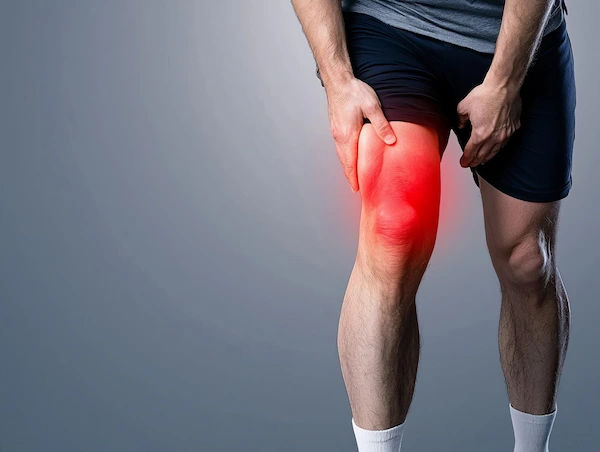
Pain is your body’s alarm system. It can signal tissue damage (a sprain, burn), irritated nerves (sciatica), or a sensitised nervous system where danger signals are amplified. Understanding the type of pain you have helps you choose the right treatments.
Acute vs chronic pain (and “high-impact” chronic pain)
Acute pain lasts days to weeks and usually improves as tissues heal. Chronic pain lasts beyond three months, sometimes with no ongoing tissue injury. The CDC reports that about 21% of U.S. adults live with chronic pain and nearly 7% have “high-impact” chronic pain that limits daily life. Chronic pain often involves sleep problems, low mood, and reduced activity, which can further heighten pain. Recognising this cycle is the first step to breaking it.
Nociceptive, neuropathic, and nociplastic pain explained
Nociceptive pain comes from tissue injury or inflammation (e.g., sprained ankle, osteoarthritis). Neuropathic pain comes from nerve injury or disease (e.g., diabetic neuropathy), often described as burning, tingling, or electric shocks. Nociplastic pain arises from altered pain processing (e.g., fibromyalgia, some chronic low back pain), where the nervous system amplifies signals even without clear tissue damage. Treatments vary: neuropathic pain often responds better to SNRIs or anticonvulsants than to typical OTC painkillers.
Why pain persists: sensitisation and the brain–body loop
With ongoing pain, the spinal cord and brain can “turn up the volume” (central sensitisation). Stress, poor sleep, and inactivity all feed into this loop, increasing pain sensitivity. The good news: movement, sleep, and psychological therapies help turn it down, which is why multimodal pain management strategies work better than a single fix..
When to Seek Medical Care and How Pain Is Diagnosed
You don’t need a scan for every ache, but sometimes a timely evaluation prevents complications.
Red flags that need urgent attention
1. Seek urgent care for any of the following:
2. Severe, sudden headache (“worst ever”) with neurological symptoms.
3. Back pain with fever, unexplained weight loss, new weakness, numbness in the saddle area, or loss of bladder/bowel control.
4. Chest pain, shortness of breath, jaw or arm pain.
5. New, unexplained pain in people with cancer, immune suppression, or on long-term steroids.
6. Traumatic injuries, fractures, or suspected infections.
Evaluation basics: history, exam, and targeted tests
A clinician will ask what makes pain better/worse, how it affects sleep and activity, and whether mood or stress plays a role. They examine movement, strength, sensation, and joint function. Pain is best assessed by both intensity and interference with daily life (e.g., the PEG scale: Pain, Enjoyment, General activity). If your condition does not improve after trying these methods, book a physical visit to a doctor with Apollo24|7 for a focused exam.
Imaging and labs: when they help (and when they don’t)
For many back or joint pains, early MRI is not needed and can lead to unnecessary procedures. Imaging is reserved for red flags or persistent, severe symptoms. Labs may be helpful if an underlying issue is suspected (e.g., HbA1c for diabetic neuropathy risk, vitamin D or B12 in certain neuropathic or musculoskeletal pains, inflammatory markers for autoimmune conditions). Apollo24|7 offers convenient home collection for tests like vitamin D, B12, or HbA1c, which can inform pain management without an extra clinic visit. Long-tail keywords: when to see a pain specialist; pain management for elderly adults.
Non-Drug Pain Management You Can Start Today
For most chronic musculoskeletal pain, non-drug strategies are first-line and can be started safely at home.
1. Movement therapies: graded activity, stretching, and strength
2. Regular, gentle movement reduces stiffness and calms sensitised nerves. Evidence shows exercise modestly reduces pain and improves function in chronic low back pain and osteoarthritis. Start with:
3. Daily walking at a comfortable pace; add 5–10% steps per week.
4. Gentle stretching for the back, hips, and hamstrings.
5. Light strength training (bodyweight or resistance bands) 2–3 days/week.
6. Use “graded exposure”: if bending hurts, practice small, pain-tolerable ranges and build up.
Heat, cold, TENS, and topical approaches
Heat improves blood flow and relaxes muscles—use 15–20 minutes before activity. Ice reduces swelling after flares or acute injuries—10–15 minutes, with a cloth barrier. A simple TENS unit can reduce pain intensity for some people with back or joint pain. Topicals (menthol, capsaicin, diclofenac gel) can help localised pain with fewer systemic side effects. These non opioid pain relief options are safe starting points for many.
Sleep, stress, and nutrition basics for pain relief
Poor sleep amplifies pain. Prioritize a consistent schedule, dark cool room, and a no-screens rule 60 minutes before bed. Brief daily relaxation (5–10 minutes of paced breathing or guided body scan) reduces the stress–pain loop. Nutrition: aim for a protein source at each meal, plenty of colourful vegetables, and adequate hydration. In osteoarthritis, modest weight loss (5–10%) can meaningfully improve pain and function.
A 7-day gentle reset plan
• Day 1–2: 10-minute walk; 5-minute breathing; heat before activity.
• Day 3–4: Add two 10-second hamstring and hip flexor stretches; try topical diclofenac for joint pain.
• Day 5: Begin 2 sets of 8 sit-to-stands and wall push-ups.
• Day 6: Try a 15-minute yoga-for-beginners video.
• Day 7: Reflect: Which activity felt best? Keep it. Which worsened pain? Scale it down, not out.
If pain spikes (flare), use your “3S” plan: Soften (heat), Slow (reduce intensity), Support (brace or pillow positioning), then resume activity within 24–48 hours to avoid deconditioning.
Medications: Benefits, Risks, and Smart Use
Medicines can be helpful in a multimodal pain management plan, but they work best when paired with movement and coping skills.
Over-the-counter options (acetaminophen, NSAIDs)
Acetaminophen can help with headaches and certain musculoskeletal pains; stay within label limits (often ≤3,000 mg/day for adults, but confirm for your case). NSAIDs (e.g., ibuprofen, naproxen) reduce inflammation and may be more effective for arthritis or sprains. Risks include stomach irritation, ulcers, kidney strain, and blood pressure effects—take the lowest effective dose for the shortest time. Consider topical NSAIDs for localised joint pain to reduce systemic side effects. Always discuss with your doctor if you have heart, kidney, or GI conditions.
Neuropathic pain medicines (SNRIs, TCAs, gabapentinoids)
For nerve pain (burning, tingling), antidepressants like duloxetine (an SNRI) and amitriptyline (a TCA), or anticonvulsants such as gabapentin or pregabalin, often work better than NSAIDs. These can also improve sleep and mood—key components of chronic pain relief. Side effects: drowsiness, dizziness, dry mouth, and weight changes. Dose adjustments are common; benefits are often partial but meaningful when combined with therapy and activity. Long-tail: neuropathic pain treatment options.
Topical agents, muscle relaxants, and special cases
Lidocaine patches can help with postherpetic neuralgia; capsaicin high-concentration patches may help with some neuropathic pains. Short-term muscle relaxants can be considered for acute spasms, but may cause sedation. For migraines, triptans and CGRP-targeted drugs are options under clinician guidance.
Safety tips and interactions
Avoid doubling up medicines with similar effects (e.g., two NSAIDs). Watch for acetaminophen “hidden” in cold/flu combinations. Review all supplements with your clinician—some interact with warfarin, SSRIs, or seizure medicines. If symptoms persist beyond two weeks or medications are needed often, consult a doctor online with Apollo24|7 to refine your regimen.
Procedures and Devices: When You Need Extra Help
Procedural options can help selected patients, especially when a clear pain generator is identified and conservative care has been optimised.
Injections and ablation: who benefits?
Corticosteroid injections may offer short-term relief for inflammatory flares and radicular pain (sciatica), though benefits often wane in weeks to months. Radiofrequency ablation can help facet joint–mediated back or neck pain by interrupting pain-carrying nerves, typically after a positive diagnostic block. Risks include infection, bleeding, and transient increases in pain. Discuss individualised risk–benefit with a specialist.
Neuromodulation (TENS, spinal cord stimulation)
TENS is noninvasive and worth a home trial for some musculoskeletal pains. Spinal cord stimulation is a more invasive option for refractory neuropathic pain (e.g., failed back surgery syndrome), with variable outcomes; careful patient selection and trial leads are standard.
Complementary therapies: acupuncture and manual therapy
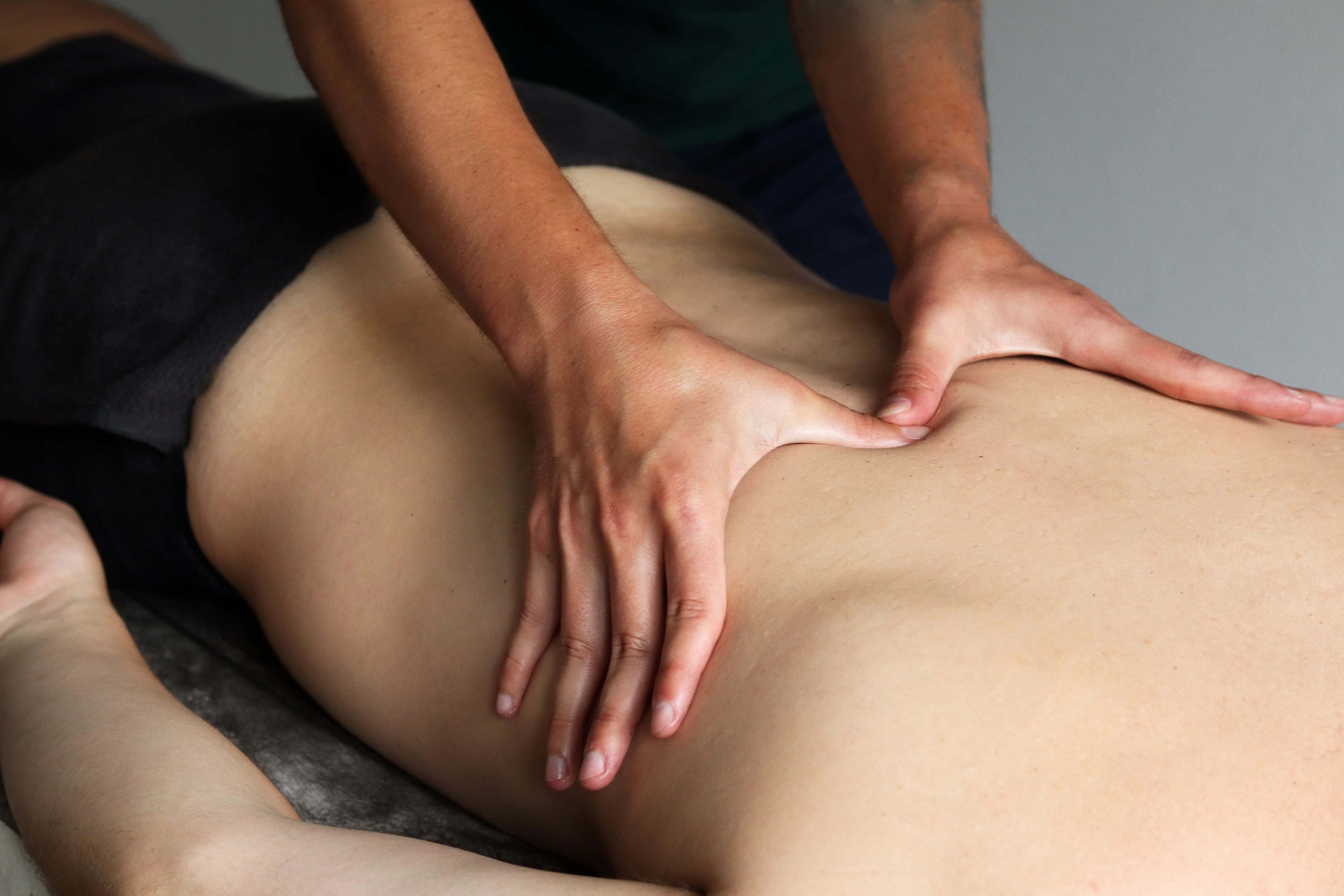
Acupuncture can provide short-term relief in some conditions (e.g., chronic low back pain), and is included among nonpharmacologic options in guidelines. Manual therapy (spinal manipulation, massage) can reduce pain and stiffness when paired with exercise. A practical tip: schedule manual therapy before a strengthening session to capitalise on the temporary pain relief for better movement quality. Long-tail: non opioid pain relief options.
Mind–Body Approaches and Coping Skills
Chronic pain lives in the body and the brain; mind–body strategies address both.
CBT, mindfulness, and biofeedback
Cognitive behavioral therapy (CBT) helps reframe unhelpful thoughts (“I’ll never get better”) and replace them with actionable plans (“On flares, I reduce walking by 25% and add heat, then resume”). Meta-analyses show CBT and mindfulness yield small-to-moderate improvements in pain interference, mood, and function [8]. Biofeedback trains you to control muscle tension and heart rate variability, reducing stress-driven pain spikes. Long-tail: cognitive behavioral therapy for pain.
Managing flare-ups and pain catastrophizing
1. Flares are normal. Create a written “flare plan”:
2. Step down activity by 25–50% for 48 hours, not to zero.
3. Use heat, topical analgesics, and relaxation breathing.
4. Resume baseline gradually. Track triggers (sleep loss, overexertion).
5. Practice thought diffusion: notice catastrophic thoughts without “buying in,” then choose the next helpful action (e.g., a 5-minute walk).
- Support networks and pacing
Social support reduces pain distress. Use pacing: break tasks into time-based chunks with microrests to avoid boom–bust cycles. Example: 15 minutes of housework, 3-minute rest, repeat x3. A unique insight: align pacing with ultradian rhythms (90-minute focus waves) for desk-based work—stand and stretch at minute 45 to prevent stiffness.
Condition-Specific Pain Management
Different pains respond to different strategies; here are pragmatic, guideline-aligned approaches.
Low back pain and sciatica
Most nonspecific low back pain improves with movement, heat, and time. For persistent pain, combine graded exercise, education, and CBT-based strategies [6][11]. Sciatica from a herniated disc often improves over weeks; short-term NSAIDs, a brief course of PT, and, for severe cases, an epidural steroid injection may help. Imaging is reserved for red flags or progressive deficits. Long-tail: lower back pain self-care exercises; sciatica pain management at home.
Osteoarthritis and joint pain
Exercise (strength + aerobic) and weight management are core. Use topical NSAIDs for knees/hands; consider acetaminophen for those who cannot take NSAIDs. A cane on the opposite side of the painful knee offloads joints. Heat before activity, ice after. Anti-inflammatory eating (more plants, omega-3s) supports symptom control.
Neuropathic pain (diabetic neuropathy, postherpetic neuralgia)
Optimize glucose control (HbA1c), foot care, and safety at home. First-line meds often include duloxetine, amitriptyline, gabapentin/pregabalin; topical lidocaine can help focal neuropathic pain. Balance training reduces falls. Apollo24|7 home collection for HbA1c and vitamin B12 can support individualized care between visits.
Headaches and migraine
Track triggers (sleep, hydration, caffeine, stress). For acute migraine, consider triptans or CGRP therapies under medical guidance; for prevention, options include beta blockers, topiramate, CGRP monoclonal antibodies, and lifestyle regularity. Non-drug tools: magnesium and riboflavin (discuss dosing/safety with your clinician), relaxation, and consistent sleep/wake times. Long-tail: migraine pain relief techniques.
Opioids: Safety, Tapering, and Alternatives
Opioids can be appropriate in select cases of severe acute pain, cancer-related pain, or palliative care. For chronic noncancer pain, benefits are often modest and risks significant (dependence, overdose, constipation, hormonal changes) [5].
- When opioids are considered—and when they’re not
Guidelines recommend trying nonopioid therapies first and combining treatments (exercise, CBT, nonopioid meds) before considering opioids. If used, set clear goals (function, quality of life), start at the lowest dose, and reevaluate regularly [5].
Risk reduction, naloxone, and safe storage
Avoid mixing with alcohol or sedatives unless prescribed together with caution. Request naloxone for safety if you or a family member uses opioids. Store locked, count pills, and dispose of leftovers at take-back programs.
Tapering principles and shared decision-making
If harms outweigh benefits, taper slowly—often around 10% per month or slower—while adding nonopioid supports and behavioral strategies. Avoid abrupt discontinuation. Teleconsult with an Apollo24|7 clinician for individualized tapering and alternative therapies if you’re in India and need accessible, stepwise support. Long-tail: opioid alternatives for chronic pain.
Building Your Personal Pain Plan (and Measuring Progress)
A plan you can measure is a plan you can improve.
1. Setting goals that matter: pain, function, and mood
2. Define one goal in each domain:
3. Pain: reduce average pain from 7/10 to 5/10 in 8 weeks.
4. Function: walk 20 minutes continuously without a break.
5. Mood/Sleep: fall asleep within 30 minutes most nights.
6. Make them SMART (specific, measurable, achievable, relevant, time-bound). Tie goals to meaningful activities (playing with your child, cooking a meal).
Conclusion
Effective pain management isn’t about chasing a single cure—it’s about combining small, proven steps that add up to bigger relief. Start with what you can control today: gentle movement, better sleep habits, heat or cold, and stress skills. Layer in targeted treatments—topicals, nonopioid medicines, or, when appropriate, nerve-pain medications—and consider procedures only when needed. Pay attention to the type of pain you have (nociceptive, neuropathic, or nociplastic); matching treatments to the pain type increases your odds of success. Most importantly, measure what matters to you. Track pain intensity, function, and mood, then adjust your plan every couple of weeks. Over time, you’ll build confidence, resilience, and momentum. If your pain is persistent, limits daily life, or comes with red flags, reach out: a timely evaluation can rule out serious causes and unlock new options. If symptoms persist beyond two weeks, consult a doctor online with Apollo24|7 for further evaluation and to co-create a personalized, multimodal plan; if a hands-on exam is needed, book a physical visit to a doctor with Apollo24|7.
Consult Top General Practitioner for Personalised Advice
Consult Top General Practitioner for Personalised Advice

Dr Suseela
General Physician
5 Years • MBBS
Bengaluru
Apollo Medical Center, Marathahalli, Bengaluru

Dr. Anand Ravi
General Physician
2 Years • MBBS, FEM
Bengaluru
PRESTIGE SHANTHINIKETAN - SOCIETY CLINIC, Bengaluru

Dr. Ashita Kuruvilla
General Practitioner
7 Years • MBBS
Kolkata
KVC CLINIC, Kolkata

Dr Bhargav Vuppumalla
General Physician/ Internal Medicine Specialist
5 Years • MBBS MD GENERAL MEDICINE
Bengaluru
Apollo Medical Center, Marathahalli, Bengaluru

Dr. Vivek D
General Physician
4 Years • MBBS
Bengaluru
PRESTIGE SHANTHINIKETAN - SOCIETY CLINIC, Bengaluru
Consult Top General Practitioner for Personalised Advice
Dr Suseela
General Physician
5 Years • MBBS
Bengaluru
Apollo Medical Center, Marathahalli, Bengaluru
Dr. Anand Ravi
General Physician
2 Years • MBBS, FEM
Bengaluru
PRESTIGE SHANTHINIKETAN - SOCIETY CLINIC, Bengaluru
Dr. Ashita Kuruvilla
General Practitioner
7 Years • MBBS
Kolkata
KVC CLINIC, Kolkata
Dr Bhargav Vuppumalla
General Physician/ Internal Medicine Specialist
5 Years • MBBS MD GENERAL MEDICINE
Bengaluru
Apollo Medical Center, Marathahalli, Bengaluru
Dr. Vivek D
General Physician
4 Years • MBBS
Bengaluru
PRESTIGE SHANTHINIKETAN - SOCIETY CLINIC, Bengaluru
More articles from Pain Management
Frequently Asked Questions
1) What is the best pain management without medication?
Start with graded activity, heat/ice, sleep optimization, stress-reduction (CBT, mindfulness), and pacing. For localized pain, try TENS or topical NSAIDs. These non opioid pain relief options are first-line for many conditions.
2) When should I see a pain specialist?
If pain lasts more than 3 months, limits daily life despite self-care and primary care strategies, or if interventional options are being considered. Seek urgent care for red flags like sudden severe headache, neurological deficits, or back pain with bowel/bladder changes.
3) Which medicines help neuropathic pain the most?
SNRIs (e.g., duloxetine), TCAs (e.g., amitriptyline), and anticonvulsants (gabapentin/pregabalin) are common first-line options. Topical lidocaine can help focal nerve pain. Discuss side effects and interactions with your doctor.
4) How do I make a multimodal pain management plan?
Set SMART goals (pain, function, mood), combine movement, sleep, stress skills, and targeted meds, track weekly (PEG, steps), and adjust every 2 weeks. If your condition does not improve after trying these methods, book a physical visit to a doctor with Apollo24|7.
5) Is heat or ice better for pain?
For acute injuries or swelling, ice for 10–15 minutes. For stiffness or chronic muscle tension, heat for 15–20 minutes (especially before activity). Many people alternate based on comfort and response.