



Guide to There Any Treatment Available Parkinson's Disease
Discover the effective treatments for Parkinson’s disease (PD), from first-line medications like levodopa to advanced therapies such as Deep Brain Stimulation (DBS). Learn how to manage motor and non-motor symptoms with drugs, rehabilitation, and essential lifestyle changes.

Introduction
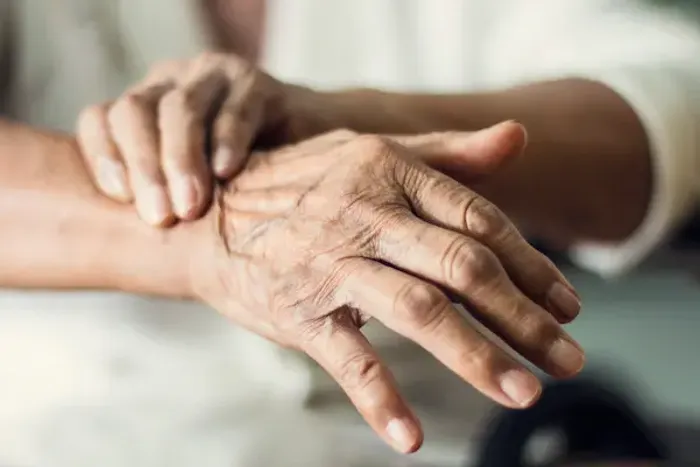
Parkinson’s disease is a lifelong neurological condition—but the good news is there are many effective treatments available today to control symptoms and help you live well. If you or a loved one has recently been diagnosed, you might wonder: Is there any treatment available for Parkinson’s disease that truly helps? The answer is yes. From cornerstone medications like levodopa/carbidopa to advanced options such as deep brain stimulation (DBS) and focused ultrasound, care can be tailored to your goals and stage of disease. Beyond drugs and devices, rehabilitation therapies, targeted exercise, and practical lifestyle strategies play a powerful role in maintaining independence and quality of life.
In this guide, we’ll explain all the major treatments available for Parkinson’s disease, how they work, who they help most, and what to expect. You’ll also learn how to manage non-motor symptoms like sleep, mood, and blood pressure, plus what’s new in research and clinical trials. Whenever symptoms persist or change, consider connecting with a specialist—if symptoms last beyond a couple of weeks, consult a doctor online with Apollo24|7 for personalised advice and next steps. Let’s get started.
Consult Top Neurologists for Personalised Advice
Understanding Parkinson’s Disease: A Quick Primer
Grasping the fundamentals of Parkinson's is the first step toward effective treatment and management.
What Parkinson’s disease is (and isn’t)
Parkinson’s disease (PD) is a progressive disorder of the brain’s movement circuits, primarily due to the loss of
dopamine-producing neurons in the substantia nigra. Reduced dopamine disrupts smooth, coordinated movement,
leading to hallmark motor symptoms. PD is not simply “old age” or just tremor; it also affects many non-motor
systems, which can be just as impactful on daily life.
Motor vs non-motor symptoms
Motor symptoms include slowness (bradykinesia), stiffness (rigidity), tremor at rest, and balance problems. Non-motor
symptoms can involve sleep issues (REM sleep behaviour disorder, insomnia), mood changes (depression, anxiety),
cognitive changes, constipation, urinary urgency, low blood pressure on standing (orthostatic hypotension), pain, smell
loss, and more. Recognising both motor and non-motor features helps target treatment available for Parkinson’s disease
beyond tremor control.
How PD is diagnosed
Diagnosis is clinical—based on symptoms and exam by a clinician experienced in movement disorders. No single blood test confirms PD. Imaging (such as DaTscan) can support diagnosis in unclear cases, but it is not always necessary.
Early, accurate diagnosis ensures timely access to medication, rehabilitation, and lifestyle strategies that improve
outcomes. If you’re unsure about a new tremor, stiffness, or slowness that lasts beyond a couple of weeks, consult a
doctor online with Apollo24|7 for further evaluation.
Are Treatments Available? Setting Realistic Expectations
While there is no cure, current therapies effectively ease symptoms and significantly improve a person's quality of life.
What current treatments can and cannot do
There is currently no proven cure that halts or reverses PD, but many treatments are available to ease symptoms and
improve quality of life—often dramatically. Medications help replace or boost dopamine signalling; device-assisted
therapies help stabilise motor control; and rehabilitation, exercise, and mental health care improve day-to-day function.
Non-motor symptoms are also highly treatable with tailored strategies.
Staging and timing of therapy
- Early PD: The focus is on symptom relief with the least side effects, often starting with levodopa or, in select younger
patients, a dopamine agonist or MAO-B inhibitor. - Mid-stage: As symptoms evolve, combination therapy and dosing adjustments address “wearing-off” and fluctuations.
- Advanced PD: Device-assisted options such as DBS or continuous levodopa delivery can smooth out motor control;
supportive care targets non-motor symptoms and safety.
Unique insight: Track what matters to you—typing speed, walking a specific route, or social activities. Concrete goals
help clinicians tune their regimen better than generic scales.
First-Line Medications: What to Start and Why
The initial choice of medication depends on symptom severity, age, and individual lifestyle factors.
Levodopa/carbidopa: gold standard
Levodopa is converted to dopamine in the brain, directly addressing dopamine loss. Carbidopa prevents levodopa
breakdown in the bloodstream and reduces nausea. Levodopa is typically the most effective medication for improving
slowness and stiffness and often tremor. For many adults, especially older patients, guidelines support levodopa as first-
line therapy for motor symptoms due to superior efficacy and tolerability. Formulations include immediate-release,
controlled/extended-release, and combinations tailored to day-long control.
Dopamine agonists, MAO-B inhibitors, and others
- Dopamine agonists (e.g., pramipexole, ropinirole, rotigotine) mimic dopamine at receptors and may be used in early
disease or as add-on therapy. They can cause sleepiness, swelling, and impulse-control disorders (e.g., gambling),
especially at higher doses. - MAO-B inhibitors (e.g., selegiline, rasagiline, safinamide) reduce dopamine breakdown and provide mild-to-moderate
symptom relief; they can be useful as monotherapy early on or as add-ons. - Anticholinergics (e.g., trihexyphenidyl) can help tremor in younger patients but often cause memory and urinary side
effects, so are less used in older adults.
Choosing drugs by age, lifestyle, and risk
No one-size-fits-all. Age, work, driving needs, sleep quality, and cognitive profile all influence choices. For example, a younger patient with prominent tremor might try an agonist or MAO-B inhibitor first; an older adult with stiffness and
slowness may benefit most from levodopa.
- Practical tip: Keep a symptom log for two weeks before each visit—it’s a small habit that can lead to big improvements
in dose timing and selection.
Managing “Wearing-Off,” Tremor, and Dyskinesia
As the condition progresses, combination therapies and timing adjustments help maintain stable motor control.
COMT inhibitors, extended-release options, and istradefylline
As PD progresses, doses that once lasted 4–5 hours may “wear off” sooner. Add-ons can extend the benefit:
- COMT inhibitors (entacapone, opicapone; tolcapone with monitoring) prolong levodopa’s effect and reduce off time.
- Extended-release levodopa/carbidopa or on-demand rescue options can smooth daily control.
- Adenosine A2A antagonist istradefylline can reduce “off” time in patients on levodopa.
Amantadine for dyskinesia
Amantadine (including extended-release formulations) can reduce levodopa-induced dyskinesia and may decrease “off”
time. Side effects can include leg swelling, livedo reticularis (mottled skin), and insomnia. Discuss dose timing and
kidney function with your clinician.
Practical strategies to smooth fluctuations
- Align doses with meals: dietary protein can compete with levodopa absorption; some patients benefit from taking
levodopa 30–60 minutes before meals. - Break large doses into smaller, more frequent doses if appropriate.
- Track “on/off” times; some patients use smartphone apps or wearables.
Unique insight: Think in “rhythms,” not just doses—pair medication timing with planned activities (e.g., take levodopa
before a walk or PT session) to get the most from each dose.
Device-Assisted Therapies for Advanced Disease
For select patients whose symptoms are no longer fully controlled by medication, device therapies offer significant relief.
Deep brain stimulation (DBS): who benefits most
DBS delivers targeted electrical stimulation (commonly STN or GPi) to brain regions that modulate movement. It can
reduce motor fluctuations, tremor, and dyskinesia, often enabling lower medication doses. Ideal candidates typically
have:
- Clear levodopa responsiveness,
- Medication-related fluctuations or tremor not well controlled by drugs,
- No uncontrolled psychiatric or cognitive issues.
Long-term studies show meaningful improvements in quality of life and motor scores for appropriately selected patients.
Intestinal gel and continuous infusion options
Levodopa-carbidopa intestinal gel (LCIG) uses a portable pump to infuse gel directly into the small intestine via a tube,
providing steady medication levels and reducing “off” time and dyskinesia in advanced PD. In some regions,
continuous subcutaneous levodopa-based infusion therapies are emerging; availability varies by country. Discuss local
access with your specialist.
Focused ultrasound for tremor-dominant PD
MR-guided focused ultrasound (FUS) can create a precise lesion (often in the thalamus) to reduce tremor on one side,
without incisions. It’s generally considered for tremor-dominant PD when medications and other options aren’t effective
or suitable. FUS is typically unilateral; selection and counselling are key.
Treating Non-Motor Symptoms: Sleep, Mood, Thinking, and Autonomic Issues
Non-motor symptoms are incredibly common and require dedicated, proactive treatment strategies.
Depression, anxiety, and psychosis
- Depression and anxiety are common and treatable with psychotherapy, exercise, and medications (SSRIs/SNRIs as
clinically appropriate). Consider drug–drug interactions and the impact on motor symptoms. - Psychosis (hallucinations) can emerge, especially with higher dopaminergic loads. Pimavanserin is indicated for
Parkinson’s disease psychosis and does not block dopamine receptors, reducing the risk of motor worsening; clozapine
or quetiapine may be considered under careful monitoring.
Cognition and Parkinson’s dementia
Cognitive changes may develop; cholinesterase inhibitors like rivastigmine can help some patients with Parkinson’s
dementia symptoms. Occupational therapy and caregiver education remain critical.
Low blood pressure, constipation, drooling, urinary symptoms
- Orthostatic hypotension: increase fluids/salt as appropriate, compression stockings, small, frequent meals; medications
like midodrine or droxidopa may help. - Constipation: fibre, fluids, regular movement; consider osmotic laxatives. Gut health strategies (prunes, psyllium) are
often effective. - Drooling (sialorrhea): sugar-free gum, atropine drops, or botulinum toxin injections for refractory cases.
Unique insight: Treat “the basics” first—hydration, sleep routine, bowel regularity. These amplify the benefit of every
other PD therapy.
Rehabilitation That Makes a Difference
Physical, occupational, and speech therapies are vital for maintaining function and independence in daily life.
Physiotherapy and balance training
Targeted physiotherapy can improve gait, posture, strength, and balance, reducing falls. Evidence supports amplitude-
based training and cueing strategies (visual lines on the floor, metronome beats) to overcome freezing episodes. The
Parkinson’s Foundation reports a better quality of life when people exercise at least 2.5 hours per week.
Occupational therapy for daily tasks
OT addresses home setup, energy conservation, and adaptive equipment for dressing, bathing, and handwriting. Small
changes—like raised toilet seats, grab bars, or weighted utensils—can prevent falls and reduce caregiver burden.
Speech and swallowing: LSVT LOUD and more
Speech-language therapy helps voice volume, articulation, and swallowing safety. LSVT LOUD (for voice) and LSVT BIG (for movement amplitude) are structured programs with evidence for improving communication and movement confidence. If choking, coughing with meals, or weight loss occurs, seek a speech therapy evaluation promptly. If your symptoms don’t improve with these methods, book a physical visit to a doctor with Apollo24|7.
Lifestyle Medicine: Exercise, Diet, Sleep, and Social Connection
A proactive approach to healthy living is a powerful complementary therapy for Parkinson's disease.
Evidence-based exercise targets
Aerobic exercise (e.g., brisk walking, cycling), resistance training, and balance work (tai chi, yoga) can improve motor
function and mood, and may slow functional decline. Aim for 150 minutes per week of moderate intensity, adjusted to
your capabilities. Exercise is one of the most powerful “adjunct therapies” available for Parkinson’s disease.
Nutrition and gut health
- Protein timing: Some people benefit from taking levodopa away from high-protein meals to improve absorption.
- Fibre and fluids: support bowel regularity; consider probiotics or fermented foods if tolerable.
- Bone health: adequate calcium and vitamin D reduce fracture risk (check levels if you’ve had falls—Apollo24|7 offers
convenient home collection for tests like vitamin D).
Building a sustainable routine
Stack habits: take medication, move for 10 minutes, then breakfast; schedule a social connection after exercise. Pairing
behaviours makes adherence easier. Consider group classes for motivation and community.
New and Emerging Treatments on the Horizon
Researchers are actively exploring ways to slow or stop disease progression, bringing new hope for the future.
Neuroprotective candidates and GLP-1 agonists
Although no therapy is definitively disease-modifying yet, studies are evaluating agents like GLP-1 receptor agonists
(e.g., exenatide) for potential neuroprotective effects. Early results are mixed; larger, rigorous trials are ongoing. Stay
cautiously optimistic and watch for updates from reputable sources.
Gene/cell therapies and biomarkers
Investigational approaches include gene therapy to enhance dopamine synthesis or neurotrophic support, alpha-
synuclein-targeted strategies, and cell-based replacement. Biomarkers (such as alpha-synuclein seed amplification
assays) may improve trial design and personalised care as they mature.
How to evaluate headlines and join trials
Scrutinise endpoints (motor scores, daily function, quality of life), durability of benefits, and side-effect profiles. To
explore participation, speak with your neurologist and consult trial registries or foundation portals. If you’re curious
whether a trial fits you, consult a doctor online with Apollo24|7 to discuss eligibility and safety.
Building Your Care Plan: Safety, Access, and Support
A holistic plan involves managing side effects, securing specialist access, and ensuring strong support systems.
Side effects and drug interactions
- Dopamine agonists: impulse-control disorders, sleep attacks—monitor closely and inform your clinician promptly.
- Levodopa: nausea (improves with carbidopa), dyskinesia (manageable with amantadine or dose adjustments).
- MAO-B inhibitors: watch for medication interactions (e.g., certain antidepressants).
Keep an updated medication list; bring it to every visit.
Telemedicine, costs, and finding specialists
Movement disorder specialists have advanced expertise in PD. Telemedicine expands access and is particularly useful
for routine follow-ups and medication adjustments. Check insurance coverage for therapies like DBS or LCIG. If you
need timely advice or a second opinion, consult a doctor online with Apollo24|7; for complex evaluations, book a
physical visit to a neurologist.
Caregiver support and mental health
Care partners are part of the team. Plan respite, counselling, and peer support early. Screen regularly for caregiver
burnout—addressing it improves outcomes for both of you.
Conclusion
Parkinson’s disease brings real challenges—but it also comes with a wide range of effective, proven treatments. From
gold-standard levodopa to carefully selected add-ons and advanced options like deep brain stimulation and intestinal gel therapy, there are many treatments available for Parkinson’s disease that can be tailored to your needs. Equally important are the non-drug pillars of care: physiotherapy, occupational therapy, speech therapy, and a sustainable routine of exercise, nutrition, and sleep. Non-motor symptoms—often overlooked—are highly manageable when addressed proactively.
As research progresses, emerging therapies and smarter diagnostics are on the horizon. For now, the best results come from a personalised plan made with a clinician who understands your goals, routines, and concerns. Keep a simple symptom and medication log, bring your priorities to each appointment, and adjust your plan as life changes.
If your symptoms persist beyond two weeks, new issues arise, or you’re weighing advanced treatments, consult a doctor online with Apollo24|7 for guidance and to coordinate a follow-up with a movement disorder specialist. With informed choices, consistent follow-up, and the right support, you can continue doing more of what matters to you—today and in the years ahead.
Consult Top Neurologists for Personalised Advice
Consult Top Neurologists for Personalised Advice

Dr Debnath Dwaipayan
Neurosurgeon
9 Years • MBBS, MS(Gen. Surgery), DrNB (Neurosurgery)
Delhi
Apollo Hospitals Indraprastha, Delhi

Dr. Ganeshgouda Majigoudra
Neurologist
10 Years • MBBS, MD ( GENERAL MEDICINE) DM (NEUROLOGY)
Bengaluru
Apollo Clinic, JP nagar, Bengaluru

Dr. Murali Krishna P
Neurosurgeon
24 Years • MBBS, M S (General Surgery), M Ch (Neurosurgery)
Bengaluru
Apollo Clinic, JP nagar, Bengaluru

Dr. E Prabhakar Sastry
General Physician/ Internal Medicine Specialist
40 Years • MD(Internal Medicine)
Manikonda Jagir
Apollo Clinic, Manikonda, Manikonda Jagir

(225+ Patients)

Dr. Avinash Goswami
Neurologist
10 Years • MBBS, DNB (Medicine), Dr.NB (Neurology), MNAMS
Noida
Apollo Hospitals Sector 26, Noida
(50+ Patients)
Consult Top Neurologists for Personalised Advice
Dr Debnath Dwaipayan
Neurosurgeon
9 Years • MBBS, MS(Gen. Surgery), DrNB (Neurosurgery)
Delhi
Apollo Hospitals Indraprastha, Delhi
Dr. Ganeshgouda Majigoudra
Neurologist
10 Years • MBBS, MD ( GENERAL MEDICINE) DM (NEUROLOGY)
Bengaluru
Apollo Clinic, JP nagar, Bengaluru
Dr. Murali Krishna P
Neurosurgeon
24 Years • MBBS, M S (General Surgery), M Ch (Neurosurgery)
Bengaluru
Apollo Clinic, JP nagar, Bengaluru
Dr. E Prabhakar Sastry
General Physician/ Internal Medicine Specialist
40 Years • MD(Internal Medicine)
Manikonda Jagir
Apollo Clinic, Manikonda, Manikonda Jagir
(225+ Patients)
Dr. Avinash Goswami
Neurologist
10 Years • MBBS, DNB (Medicine), Dr.NB (Neurology), MNAMS
Noida
Apollo Hospitals Sector 26, Noida
(50+ Patients)
More articles from Parkinsons Disease
Frequently Asked Questions
What is the best medication for early Parkinson’s disease?
Levodopa is often the first choice for motor symptoms due to its strong efficacy and overall tolerability. In some younger patients, MAO-B inhibitors or dopamine agonists may be considered initially. Discuss risks, lifestyle, and goals with your clinician.
When should I consider deep-brain stimulation for Parkinson’s motor symptoms?
Consider DBS if you have clear levodopa responsiveness but persistent fluctuations, dyskinesia, or tremor not controlled by medication, and no major cognitive or psychiatric issues. Selection is individualised; ask your specialist for an evaluation.
How do I manage “wearing off” and dyskinesia?
Options include adjusting levodopa timing or dose, adding COMT inhibitors or istradefylline for “off” time, and using amantadine for dyskinesia. Lifestyle strategies (protein timing, exercise scheduling) also help.
Are non-motor symptoms treatable?
Yes. Sleep, mood, cognition, and autonomic issues often respond to targeted treatments: therapies (CBT, sleep hygiene), medications (e.g., SSRIs/SNRIs, pimavanserin, droxidopa), and practical adjustments. Ask about a comprehensive plan for non-motor symptom care.
What lifestyle changes make the biggest difference?
Regular exercise (aerobic, strength, balance), nutrition that supports gut and bone health, consistent sleep routines, and social engagement. Aim for at least 150 minutes of moderate activity per week if safe for you. If your condition does not improve after trying these methods, book a physical visit to a doctor with Apollo 24|7.