PCOD Diet Options for Weight Management
Discover effective PCOD diet options to support weight management, balance hormones, and reduce symptoms. Learn which foods to include and avoid for better metabolic health.

Written by Dr. Dhankecha Mayank Dineshbhai
Reviewed by Dr. D Bhanu Prakash MBBS, AFIH, Advanced certificate in critical care medicine, Fellowship in critical care medicine
Last updated on 13th Jan, 2026

Polycystic Ovary Disorder (PCOD) is a common hormonal condition affecting many women today. One of the biggest challenges with PCOD is weight management, as hormonal imbalances can make it harder to lose weight. However, the right diet can play a crucial role in managing symptoms and improving overall health.
In this article, we’ll explore the best diet options for weight management in PCOD, along with simple lifestyle tips to help you feel better.
Consult a Top Nutritionist
Understanding PCOD and Weight Gain
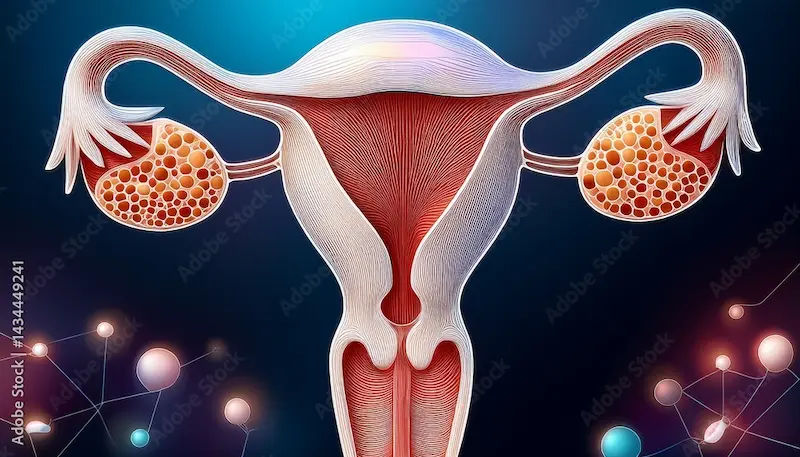
PCOD leads to insulin resistance, where your body struggles to use insulin effectively. This can cause weight gain, especially around the abdomen. High insulin levels also increase androgen (male hormone) production, leading to symptoms like irregular periods, acne, and excess hair growth.
A well-balanced diet can help regulate insulin levels, reduce inflammation, and support weight loss, making PCOD symptoms more manageable.
Best Diet for PCOD and Weight Management
Below are the options of best diet for PCOD and weight management,
1. Focus on Low-Glycemic Index (GI) Foods
Foods with a low GI release sugar slowly into the bloodstream, preventing insulin spikes. Some great options include:
- Whole grains (oats, quinoa, brown rice)
- Legumes (lentils, chickpeas, beans)
- Non-starchy vegetables (broccoli, spinach, bell peppers)
- Fruits (berries, apples, pears)
2. Increase Protein Intake
Protein helps control hunger and stabilizes blood sugar levels. Include:
- Lean meats (chicken, turkey)
- Fish (salmon, mackerel which is rich in omega-3s)
- Eggs
- Plant-based proteins (tofu, paneer, nuts, seeds)
3. Choose Healthy Fats
Not all fats are bad! Healthy fats reduce inflammation and support hormone balance. Opt for:
- Avocados
- Nuts (almonds, walnuts)
- Seeds (flaxseeds, chia seeds)
- Olive oil and coconut oil (in moderation)
4. Avoid Refined Carbs and Sugary Foods
White bread, pastries, sugary drinks, and processed snacks cause rapid insulin spikes, worsening PCOD symptoms. Instead, choose whole, unprocessed foods.
5. Stay Hydrated
Water helps with metabolism and reduces bloating. Aim for at least 8-10 glasses daily. Herbal teas like spearmint tea may also help lower androgen levels.
6. Include Anti-Inflammatory Foods
Chronic inflammation worsens PCOD. Add these to your diet:
- Turmeric
- Ginger
- Leafy greens
- Berries
Lifestyle Tips for Managing PCOD and Weight
Below are the lifestyle tips for PCOD and weight management,
1. Exercise Regularly
Physical activity improves insulin sensitivity and helps with weight loss. Try:
- Walking (30 minutes daily)
- Strength training (builds muscle and burns fat)
- Yoga (reduces stress, balances hormones)
2. Manage Stress
Stress increases cortisol, worsening PCOD symptoms. Practice:
- Deep breathing exercises
- Meditation
- Adequate sleep (7-8 hours per night)
3. Small, Frequent Meals
Eating smaller portions every 3-4 hours keeps blood sugar stable and prevents overeating.
4. Limit Dairy (If Sensitive)
Some women with PCOD find dairy worsens symptoms. Try almond or soy milk as alternatives.
When to Seek Professional Help?
If you’re struggling with PCOD-related weight gain despite dietary changes, consult a doctor or nutritionist. They can recommend personalized meal plans, supplements (like inositol or vitamin D), or medications if needed.
Need expert advice?
You can book a consultation with an Apollo24|7 specialist to get a customized PCOD diet plan and health tips.
Consult a Top Nutritionist
Conclusion
Managing weight with PCOD can be challenging, but the right diet and lifestyle changes make a big difference. Focus on whole, nutrient-rich foods, stay active, and reduce stress to improve hormonal balance and overall well-being. Remember, small, consistent changes lead to lasting results. You’re not alone in this journey, support is always available!
Consult a Top Nutritionist

Ms. Sushma Jaiswal
Dietician
42 Years • M.Sc.(Food & Nutrition)
Bengaluru
Swasthya Nutrition, Bengaluru

Ms. Neelanjana J
Dietician
5 Years • Bsc., Msc. Nutrition and Dietetics specialised general weight management, PCOS/PCOD weight loss and Diabetes management. A clinical dietitian with 4+ year experience specializing in evidence-based, result-oriented nutrition therapy. I have extensive experience in weight loss, thyroid management, PCOD/PCOS, weight gain, and diabetes & prediabetes care. My approach is personalized, practical, and sustainable—focusing on helping individuals achieve long-term lifestyle change rather than quick fixes. I work closely with clients to understand their medical history, lifestyle, and goals, and then design customized diet plans that support hormonal balance, metabolic health, and overall wellbeing. My goal is to make nutrition simple, realistic, and effective—so you see measurable results and feel your healthiest self.Auther in Health benefits of jackfruit (Artocarpus heterophyllus Lam.) seeds: A review (2023) The Pharma Innovation Journal Co- Auther in Malnutrition in Women: A review (2023) The Pharma Innovation Journal. Highfield Level 3 in HACCP. Highfield Level 4 International Award in Food Safety Managment
Bengaluru
Apollo Clinic, JP nagar, Bengaluru

Ms. Soma Saha
clinical nutrition
17 Years • B.Sc. - Home Science (Food & Nutrition), M.Sc. - Home Science (Food & Nutrition)
Kolkata
Dr Utsa Basu Clinic, Kolkata

(75+ Patients)

Dr. Ramalinga Reddy
General Physician
5 Years • MBBS MD General medicine
Bengaluru
PRESTIGE SHANTHINIKETAN - SOCIETY CLINIC, Bengaluru

Ms Mohanapriya J
clinical nutrition
12 Years • MSc Clinical Nutrition
Chennai
Apollo Sugar Clinics , Greams Road, Chennai