PCOS Impact on Women in Metropolis Study
Know how pcos affects women's health and how to manage pcodin a better way.
Written by Dr. M L Ezhilarasan
Reviewed by Dr. Shaik Abdul Kalam MD (Physician)
Last updated on 13th Jan, 2026
Introduction
Polycystic Ovary Syndrome (PCOS) is a common hormonal disorder affecting women of reproductive age. While it can impact women everywhere, studies suggest that those living in metropolitan areas may face unique challenges due to lifestyle factors, stress, and environmental influences. If you or someone you know is dealing with PCOS, this article will help you understand the condition, its symptoms, causes, and ways to manage it effectively.
What is PCOS?
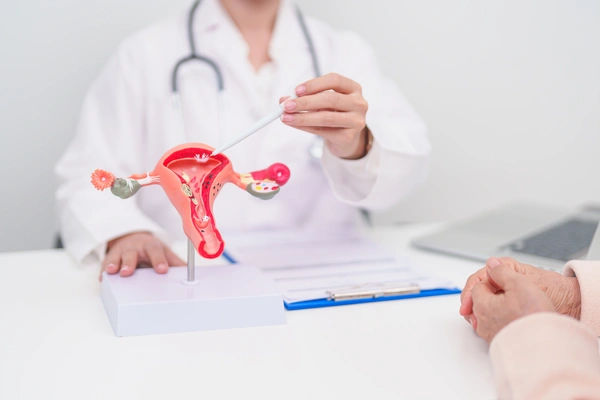
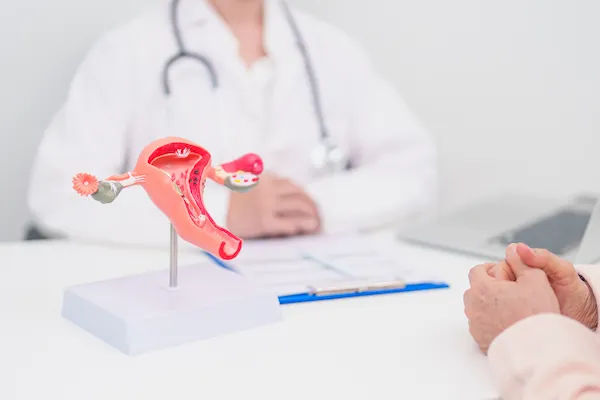
PCOS is a hormonal imbalance where the ovaries produce higher-than-normal levels of androgens (male hormones). This can lead to irregular periods, cysts in the ovaries, and difficulties with fertility. Many women with PCOS also experience insulin resistance, which increases the risk of type 2 diabetes and weight gain.
Why Are Women in Metropolises More Affected?
Research indicates that urban lifestyles may contribute to higher PCOS rates due to:
- Stress: Fast-paced city life, work pressure, and lack of relaxation can disrupt hormonal balance.
- Sedentary Lifestyle: Long working hours and desk jobs reduce physical activity, worsening insulin resistance.
- Diet: Processed foods, high sugar intake, and irregular eating habits common in cities can aggravate PCOS symptoms.
- Pollution & Toxins: Exposure to environmental pollutants may interfere with hormone regulation.
Common Symptoms of PCOS
PCOS affects women differently, but common signs include:
- Irregular or missed periods
- Excessive facial or body hair (hirsutism)
- Acne and oily skin
- Weight gain, especially around the abdomen
- Thinning hair or male-pattern baldness
- Difficulty getting pregnant
- Dark patches on the skin (acanthosis nigricans)
If you notice these symptoms, it’s best to consult a doctor for proper diagnosis.
How Does PCOS Affect Health?
Untreated PCOS can lead to long-term complications, such as:
- Infertility – Irregular ovulation makes conception difficult.
- Type 2 Diabetes – Insulin resistance increases blood sugar levels.
- Heart Disease – High cholesterol and blood pressure raise cardiovascular risks.
- Sleep Apnea – Weight gain can cause breathing problems during sleep.
- Mental Health Issues – Anxiety and depression are common due to hormonal fluctuations and body image concerns.
Early diagnosis and management can help prevent these complications.
How Can You Manage PCOS?
While there’s no cure for PCOS, lifestyle changes and medical treatments can help control symptoms:
1. Balanced Diet
- Eat whole grains, lean proteins, and fibre-rich foods.
- Reduce sugar, refined carbs, and processed foods.
- Include anti-inflammatory foods like turmeric, ginger, and leafy greens.
2. Regular Exercise
- Aim for 30 minutes of moderate activity (walking, yoga, swimming) daily.
- Strength training helps improve insulin sensitivity.
3. Stress Management
- Practice meditation, deep breathing, or mindfulness.
- Ensure 7-8 hours of quality sleep.
4. Medical Treatments
- Birth control pills regulate periods and reduce androgen levels.
- Metformin improves insulin resistance.
- Fertility treatments (if planning pregnancy).
5. Regular Check-ups
- Monitor blood sugar, cholesterol, and hormone levels annually.
When to See a Doctor?
If you experience irregular periods, unexplained weight gain, or fertility issues, consult a gynaecologist or endocrinologist. Early intervention can prevent complications.
Final Thoughts
Living with PCOS can be challenging, especially in a fast-paced city. However, with the right lifestyle changes and medical support, you can manage symptoms effectively. Remember, you’re not alone; many women successfully navigate PCOS with proper care and awareness.
Consult a Gynaecologist for Personalised Advice
Consult a Gynaecologist for Personalised Advice

Dr. Revathi S Rajan
Obstetrician and Gynaecologist
24 Years • MBBS, DGO, DNB.FFMM
Bengaluru
Apollo Clinic, JP nagar, Bengaluru

Dr. Renuka Chandran
Obstetrician and Gynaecologist
30 Years • MBBS, MD, DGO, Masters in Advanced Ultrasound in Obs & Gynea
Bangalore
Apollo Clinic Bellandur, Bangalore

Dr. Spoorthi G Reddy
Oncologist
10 Years • MBBS, MD (Medicine), DrNB (Medical Oncology)
Bengaluru
Apollo Clinic, HSR Layout, Bengaluru

Dr. Pakhee Aggarwal
Gynaecological Oncology & Robotic Surgery
18 Years • MBBS, MS, MRCOG (UK), FICOG, MIPHA, UICC Robotic Gynae-Oncology Fellowship (Canada), Commonwealth Gynae-Oncology Fellowship (Oxford, UK)
Delhi
Apollo Hospitals Indraprastha, Delhi

(25+ Patients)

Dr. Sandeep Muzumder
Radiation Specialist Oncologist
21 Years • MBBS (JIPMER, Pondicherry), MD (AIIMS, New Delhi)
Bhubaneswar
Apollo Hospitals Old Sainik School Road, Bhubaneswar