


HIPEC Surgery: A Guide to an Advanced Cancer Treatment
Discover everything you need to know about HIPEC surgery, an advanced cancer treatment that combines surgery with heated chemotherapy. Learn about the procedure, its benefits, risks, and recovery.

Written by Dr. Md Yusuf Shareef
Reviewed by Dr. J T Hema Pratima MBBS, Fellowship in Diabetes Mellitus
Last updated on 13th Jan, 2026
Introduction
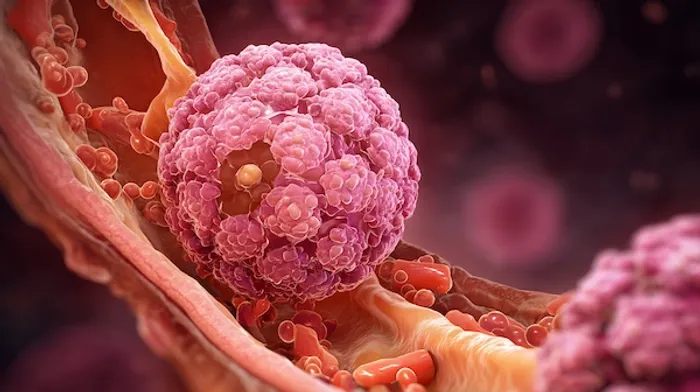
A diagnosis of cancer that has spread within the abdomen can feel overwhelming. Traditional treatment options may seem limited. However, a sophisticated surgical technique known as HIPEC surgery is offering new hope and significantly improved outcomes for certain patients. HIPEC, which stands for ‘Hyperthermic Intraperitoneal Chemotherapy,’ is a two-in-one procedure that aggressively targets cancers confined to the abdominal cavity. This guide will demystify this complex treatment, explaining what it is, which cancers it can fight, and what the journey entails. We'll break down the procedure, its benefits, risks, and recovery process, empowering you with the knowledge to have informed discussions with your healthcare team about this powerful option in peritoneal surface oncology.
What is HIPEC Surgery? Breaking Down the Complex Procedure
HIPEC is not a standalone drug; it's a highly specialised surgical procedure. Imagine a cancer that has spread like tiny seeds across the lining of the abdomen (the peritoneum). Systemic chemotherapy, delivered through the bloodstream, often struggles to reach these seeds in effective doses. HIPEC surgery tackles this problem directly and aggressively.
It's a two-phase procedure performed in a single operation:
- Cytoreductive Surgery (Debulking): The surgeon meticulously removes all visible tumor deposits from the peritoneal surface. This is an intricate and lengthy process, often taking many hours.
- Heated Chemotherapy Perfusion: After removing the tumors, a heated chemotherapy solution (typically 41-42°C) is circulated throughout the abdominal cavity for 60-90 minutes. This "chemo bath" directly bathes the tissues to kill any remaining microscopic cancer cells.
The Two Phases of HIPEC: Cytoreduction and Perfusion
The success of HIPEC hinges on the completeness of the cytoreduction. Surgeons aim for what is called "complete cytoreduction," where no visible tumor larger than 2.5mm remains. The subsequent heated chemotherapy is more effective because heat itself can kill cancer cells and also makes the chemotherapy drugs more potent by allowing them to penetrate deeper into tissues. This dual attack provides a targeted treatment that systemic chemotherapy cannot match.
A Brief History and Evolution of HIPEC
The concept of heating chemotherapy isn't new. Its modern application was pioneered in the 1980s by Dr. Paul Sugarbaker. Initially met with skepticism, decades of research and improved surgical techniques have solidified HIPEC as a standard of care for specific peritoneal malignancies at specialised centers worldwide. Continuous refinements in patient selection, chemotherapeutic agents, and perfusion technology have steadily improved safety and outcomes.
Consult a Surgical Oncologist for the best advice
Which Cancers Can Be Treated with HIPEC?
HIPEC is not for all abdominal cancers. It is specifically designed for cancers that are primarily confined to the peritoneal cavity, a condition known as peritoneal surface malignancy or peritoneal carcinomatosis.
Appendix Cancer and Pseudomyxoma Peritonei (PMP)
This is the disease for which HIPEC is most famously effective. PMP, often arising from appendix tumors, causes a slow-growing jelly-like substance to fill the abdomen. HIPEC surgery is considered the gold-standard and potentially curative treatment for this condition.
Colorectal Cancer with Peritoneal Spread
When colorectal cancer spreads only to the lining of the abdomen (and not to distant organs like the liver or lungs), HIPEC can be a powerful option. Studies show it can significantly improve survival compared to systemic chemotherapy alone for selected patients.
Peritoneal Mesothelioma
This rare cancer of the abdominal lining is notoriously difficult to treat with conventional methods. Cytoreductive surgery with HIPEC is the leading treatment, offering the best chance for long-term survival.
Other Cancers: Ovarian, Gastric, and More
HIPEC is also used in certain cases of recurrent ovarian cancer, especially when the disease is confined to the abdomen. Its use in gastric (stomach) cancer is more controversial but is offered in select cases within clinical trials. The decision is always made by a multidisciplinary team. If you have been diagnosed with a cancer that has spread within the abdomen, consulting a surgical oncologist specialising in peritoneal surface malignancies is crucial to determine if HIPEC is an option for you. Platforms like Apollo24|7 can help you connect with relevant specialists for an initial consultation.
Are You a Candidate for HIPEC Surgery?
Patient selection is the most critical factor for a successful outcome. Not everyone with peritoneal spread is a candidate.
Key Factors Surgeons Consider
- General Health: The procedure is major surgery. Candidates must have sufficient heart, lung, and kidney function to withstand the operation and recovery.
- Extent of Disease: The cancer must be primarily confined to the abdomen. Widespread metastasis to other organs usually rules out HIPEC.
- Origin of the Cancer: As listed above, some cancers respond much better to HIPEC than others.
- Previous Treatments: The number of prior chemotherapy regimens can impact eligibility.
The Importance of the Peritoneal Carcinomatosis Index (PCI)
The PCI is a numerical score (0-39) surgeons use during surgery to quantify the amount of cancer in the abdomen. It is a crucial prognostic tool. A lower PCI generally correlates with a higher chance of complete cytoreduction and a better long-term outcome. A high PCI may indicate that the disease is too extensive for the procedure to be beneficial.
Benefits and Advantages of the HIPEC Approach
- Targeted Therapy: Delivers chemotherapy directly to the cancer site.
- Higher Dose: Allows for a much higher concentration of chemotherapy than could be safely given intravenously.
- Heated Effect: Heat synergises with the chemotherapy drugs to increase cancer cell death.
- Reduced Systemic Side Effects: Since most of the chemo is contained in the abdomen, common side effects like hair loss and severe nausea are often reduced.
- Potential for Cure: For diseases like PMP, it can be curative. For others, it can significantly prolong life.
Potential Risks and Complications of HIPEC
As with any major surgery, risks exist. These can include:
- Standard surgical risks: Infection, blood clots, bleeding.
- Specific risks: Damage to nearby organs (intestines, bladder).
- Chemotherapy-related risks: Bone marrow suppression (leading to low blood counts), kidney injury, neutropenia.
- Long-term issues: Digestive changes, adhesions (scar tissue), and bowel obstructions.
The procedure requires a highly experienced team to minimise these risks.
What to Expect: The Recovery Process After HIPEC
The Hospital Stay and Immediate Post-Op Period
Recovery is a marathon, not a sprint. Patients typically spend 1-2 days in the ICU followed by 1-2 weeks in the hospital. You will have multiple tubes and drains initially. Managing pain, slowly reintroducing a diet, and beginning to walk are key milestones.
Long-Term Recovery and Follow-Up Care
Full recovery at home can take 2-3 months. Fatigue is very common. Follow-up involves regular check-ups, CT scans, and sometimes blood tests like CEA (Carcinoembryonic Antigen) to monitor for recurrence. Apollo24|7 offers convenient home collection for such follow-up blood tests, making monitoring easier during your recovery.
Conclusion
HIPEC surgery represents a monumental advance in the field of peritoneal surface oncology, turning what was once considered a terminal diagnosis into a manageable or even curable condition for a select group of patients. While the journey is demanding, the potential for long-term survival and improved quality of life is profound. This guide has outlined the fundamentals—from what the procedure entails to the rigorous recovery process. If you or a loved one is facing a diagnosis of peritoneal carcinomatosis, remember that knowledge is power. Arm yourself with this information, seek out a specialised multidisciplinary team with extensive experience in HIPEC, and explore whether this powerful treatment could be your path forward. The first step is having a detailed conversation with a specialist who can evaluate your unique situation.
Consult a Surgical Oncologist for the best advice
Consult a Surgical Oncologist for the best advice

Dr. Vikram Pratap Singh
Surgical Oncologist
35 Years • MBBS, MS, FRCS
Delhi
Apollo Hospitals Indraprastha, Delhi

Dr. Umashankar Prakasam
Surgical Oncologist
10 Years • MBBS,M.S. General surgery,DNB Surgical Oncology
Chennai
Apollo Speciality Hospitals Vanagaram, Chennai

Dr Geeta Kadayaprath
Surgical Oncologist
27 Years • MBBS, MS, FRCS
South Delhi
Apollo Athenaa Women's Cancer Centres, South Delhi

Dr. Vikash Mahajan
Surgical Oncologist
20 Years • MBBS, MS, MCh
Chennai
Apollo Speciality Hospitals, Teynampet, Chennai

(25+ Patients)

Dr Harit Kumar Chaturvedi
Surgical Oncologist
38 Years • MBBS, MS, MCh
Delhi
Apollo Hospitals Indraprastha, Delhi
Consult a Surgical Oncologist for the best advice
Dr. Vikram Pratap Singh
Surgical Oncologist
35 Years • MBBS, MS, FRCS
Delhi
Apollo Hospitals Indraprastha, Delhi
Dr. Umashankar Prakasam
Surgical Oncologist
10 Years • MBBS,M.S. General surgery,DNB Surgical Oncology
Chennai
Apollo Speciality Hospitals Vanagaram, Chennai
Dr Geeta Kadayaprath
Surgical Oncologist
27 Years • MBBS, MS, FRCS
South Delhi
Apollo Athenaa Women's Cancer Centres, South Delhi
Dr. Vikash Mahajan
Surgical Oncologist
20 Years • MBBS, MS, MCh
Chennai
Apollo Speciality Hospitals, Teynampet, Chennai
(25+ Patients)
Dr Harit Kumar Chaturvedi
Surgical Oncologist
38 Years • MBBS, MS, MCh
Delhi
Apollo Hospitals Indraprastha, Delhi
Frequently Asked Questions
Is HIPEC surgery considered a cure?
For certain diseases like pseudomyxoma peritonei (PMP), HIPEC can be curative, especially when a complete cytoreduction is achieved. For other cancers, it is considered a life-prolonging procedure that can significantly improve survival rates and quality of life compared to standard care.
How long does the HIPEC procedure take?
The entire operation is lengthy, typically ranging from 8 to 12 hours, and sometimes even longer. This includes the time for cytoreductive surgery and the 60-90 minute chemotherapy perfusion phase.
What is the typical life expectancy after HIPEC surgery?
Life expectancy after HIPEC varies greatly depending on the original cancer type, the completeness of the cytoreduction, and the patient's overall health. For appendix cancer/PMP, 10-year survival rates can be over 60%. For colorectal cancer, median survival can be extended to 3-5 years or more for eligible patients. Your surgical team can provide more specific prognosis based on your case.
How much does HIPEC surgery cost?
The cost of HIPEC surgery is significant due to the long operating time, specialised equipment, and extended hospital stay. It varies by country and hospital. In India, it is generally more affordable than in Western countries, but it remains a major investment. It's essential to consult with the hospital's financial department for a detailed estimate.
Can cancer come back after HIPEC?
Yes, recurrence is possible. The risk depends on the cancer type and initial PCI score. Follow-up care is essential to monitor for recurrence. If a recurrence does happen, it may still be treatable with additional surgery or systemic chemotherapy, depending on the location and extent.