Pineapple Consumption During Pregnancy: Safety and Considerations
Understand the safety and considerations of pineapple consumption during pregnancy, including its nutritional benefits and potential risks for maternal health.

Written by Dr. Siri Nallapu
Reviewed by Dr. Shaik Abdul Kalam MD (Physician)
Last updated on 13th Jan, 2026
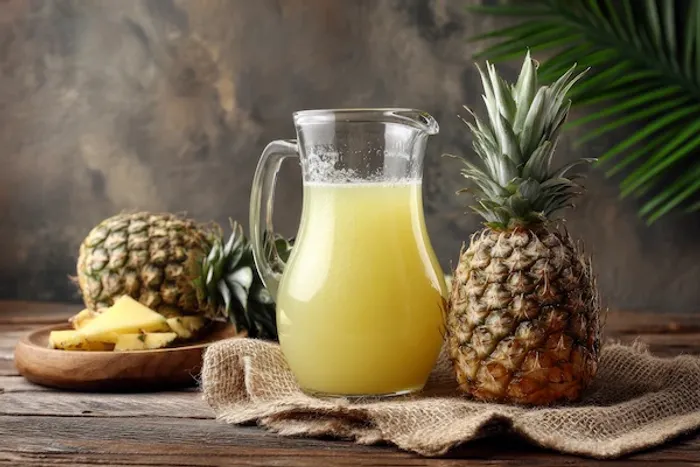
Pregnancy is a beautiful journey, but it also comes with many questions about what’s safe to eat and what’s not. One common concern is whether pineapple is safe during pregnancy. The good news is that pineapple can be a healthy addition to your diet, but there are a few things to keep in mind.
Is Pineapple Safe During Pregnancy?
Yes, pineapple is generally safe to eat during pregnancy when consumed in moderation. It is rich in vitamins, minerals, and fiber, which can benefit both the mother and the growing baby. However, due to its natural acidity and an enzyme called bromelain, excessive consumption should be avoided, especially in the first trimester.
Nutritional Benefits of Pineapple During Pregnancy
Pineapple is packed with essential nutrients that support a healthy pregnancy:
- Vitamin C – Boosts immunity and helps in iron absorption.
- Manganese – Supports bone development in the baby.
- Fiber – Aids digestion and prevents constipation.
- Bromelain – An enzyme that may help reduce inflammation (but excessive amounts could be risky).
Consult a Top Gynecologist
Potential Risks of Eating Too Much Pineapple
While pineapple is nutritious, eating it in large quantities may cause some concerns:
1. Bromelain and Uterine Contractions
Bromelain can soften the cervix and, in very high amounts, may trigger contractions.
However, the amount of bromelain in a normal serving of pineapple is unlikely to cause harm.
2. Acidity and Heartburn
Pineapple is acidic, which may worsen heartburn, a common pregnancy symptom.
3. High Sugar Content
Pineapple contains natural sugars, so women with gestational diabetes should consume it in moderation.
How Much Pineapple Can You Eat Safely?
- First Trimester: Limit intake to small portions (½ to 1 cup per day).
- Second & Third Trimester: You can enjoy pineapple in moderate amounts (1-2 cups per day).
- Avoid Pineapple Juice Concentrates or Supplements – These contain higher bromelain levels.
Tips for Safe Pineapple Consumption During Pregnancy
1. Choose Fresh Pineapple – Canned pineapple loses some bromelain, making it safer but less nutritious.
2. Eat in Moderation – Stick to small portions to avoid acidity or digestive discomfort.
3. Pair with Other Foods – Eating pineapple with yogurt or nuts can help balance acidity.
4. Monitor for Allergies – If you experience itching or swelling, stop eating it and consult a doctor.
When Should You Avoid Pineapple?
Below are few cases when pineapple can be taken,
- If you have a history of miscarriages or preterm labor, consult your doctor before eating pineapple.
- If you experience stomach pain, diarrhea, or contractions after eating pineapple, stop consumption and seek medical advice.
Healthy Ways to Include Pineapple in Your Pregnancy Diet
- Fruit Salad – Mix pineapple with other fruits like bananas and apples.
- Smoothies – Blend pineapple with yogurt and spinach for a nutrient-rich drink.
- Grilled Pineapple – Lightly grilling pineapple can reduce acidity.
Need Personalized Advice?
If you're unsure about your diet during pregnancy, Apollo 24|7 offers expert consultations with nutritionists and gynecologists. Book an appointment today for personalized guidance!
Final Thoughts
Pineapple is a delicious and nutritious fruit that can be safely enjoyed during pregnancy in moderation. If you have any concerns or medical conditions like gestational diabetes, consult your doctor before making dietary changes.
Consult a Top Gynecologist
Consult a Top Gynecologist

Dr Chanda Chowdhury
Obstetrician and Gynaecologist
23 Years • MBBS, DNB (Obstetrics & Gynaecology)
Kolkata
Apollo Multispeciality Hospitals , Kolkata, Kolkata

(200+ Patients)

Dr. Mona Yadav
Obstetrician and Gynaecologist
19 Years • MBBS, MD (Obstetrics & Gynaecology)
Dombivli
Nulife multispeciality, Dombivli

Dr. Prayas Roy
Obstetrician and Gynaecologist
6 Years • MBBS, MS (Obstetrics & Gynaecology)
Jadunath Bati
Sugarfit, Jadunath Bati

Dr. Parul Sharma
Obstetrician and Gynaecologist
8 Years • MBBS, MS (Obstetrics & Gynaecology)
New Delhi
THE DOCTORS NESST, New Delhi

Dr. Harshitha B R
Obstetrician and Gynaecologist
11 Years • MBBS, DGO( OBS & GYN)
Bengaluru
Apollo Clinic, JP nagar, Bengaluru
Consult a Top Gynecologist
Dr Chanda Chowdhury
Obstetrician and Gynaecologist
23 Years • MBBS, DNB (Obstetrics & Gynaecology)
Kolkata
Apollo Multispeciality Hospitals , Kolkata, Kolkata
(200+ Patients)
Dr. Mona Yadav
Obstetrician and Gynaecologist
19 Years • MBBS, MD (Obstetrics & Gynaecology)
Dombivli
Nulife multispeciality, Dombivli
Dr. Prayas Roy
Obstetrician and Gynaecologist
6 Years • MBBS, MS (Obstetrics & Gynaecology)
Jadunath Bati
Sugarfit, Jadunath Bati
Dr. Parul Sharma
Obstetrician and Gynaecologist
8 Years • MBBS, MS (Obstetrics & Gynaecology)
New Delhi
THE DOCTORS NESST, New Delhi
Dr. Harshitha B R
Obstetrician and Gynaecologist
11 Years • MBBS, DGO( OBS & GYN)
Bengaluru
Apollo Clinic, JP nagar, Bengaluru