How To Reduce Prostaglandins?
Learn how to naturally reduce prostaglandins to manage pain, inflammation, and menstrual discomfort through diet, exercise, hydration, and lifestyle changes.

Written by Dr. Md Yusuf Shareef
Reviewed by Dr. Shaik Abdul Kalam MD (Physician)
Last updated on 10th Mar, 2026
Introduction
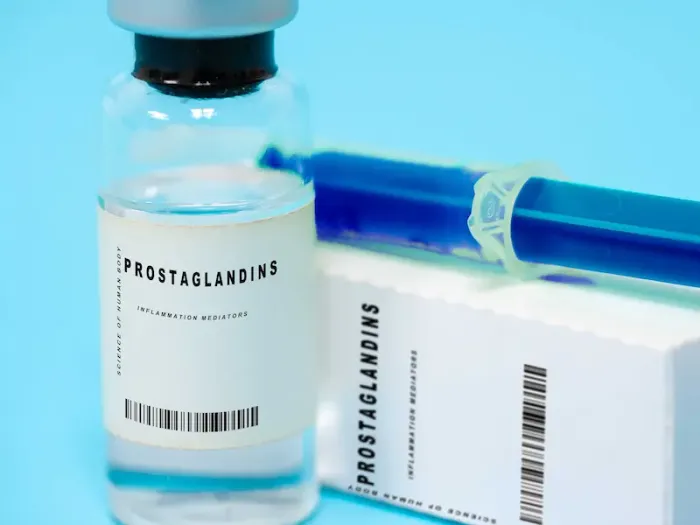
Prostaglandins are hormone-like substances in your body that play a key role in inflammation, pain, fever, and even menstrual cramps. While they are essential for normal bodily functions, excessive prostaglandins can lead to discomfort, pain, and inflammation. If you're looking for ways to reduce prostaglandins naturally, this article will guide you with simple, effective methods.
Understanding Prostaglandins
Prostaglandins are chemicals produced by your body in response to injury or illness. They help regulate:
Inflammation
Pain signals
Blood flow
Uterine contractions
While they are necessary, too many prostaglandins can worsen pain and inflammation. Managing their levels can help reduce discomfort, especially during periods, arthritis, or other inflammatory conditions.
Symptoms of High Prostaglandins
If your body produces too many prostaglandins, you may experience:
Severe menstrual cramps (dysmenorrhea)
Joint pain and swelling (arthritis)
Headaches or migraines
Digestive discomfort (stomach pain, bloating)
If these symptoms are frequent or severe, it may indicate an imbalance that needs attention.
Consult Top Doctors for Your Symptoms
Natural Ways to Reduce Prostaglandins
Several lifestyle changes can help you manage and lower prostaglandin levels naturally. Here’s how:
1. Anti-Inflammatory Diet
What you eat directly impacts prostaglandin levels. Focus on foods that reduce inflammation:
Omega-3 Fatty Acids – Found in fatty fish (like salmon), flaxseeds, and walnuts, omega-3s help lower pro-inflammatory prostaglandins.
Leafy Greens – Vegetables like spinach and kale are rich in antioxidants that combat inflammation.
Turmeric and Ginger – Natural spices with strong anti-inflammatory properties.
Berries – Blueberries and strawberries are packed with antioxidants that protect cells from inflammation.
Avoid foods like:
Processed foods such as chips, fried snacks
Sugary drinks and refined carbs like white bread, pastries
Excessive red meat and dairy which may increase inflammation
2. Stay Hydrated
Dehydration can worsen inflammation. Drink plenty of water, herbal teas, and coconut water to flush out toxins and keep prostaglandins in check.
3. Exercise Regularly
Moderate exercise like walking, yoga, and swimming helps reduce inflammation and pain by improving blood circulation and releasing endorphins, the body’s natural painkillers.
4. Manage Stress
Stress increases cortisol, which can trigger prostaglandin production. Try:
Deep breathing exercises
Meditation
7-8 hours of quality sleep per night
5. Heat Therapy for Pain Relief
Applying a warm compress or heating pad to the lower abdomen can relax muscles and reduce prostaglandin-induced menstrual cramps.
6. Herbal Remedies
Certain herbs are traditionally used to help balance prostaglandin levels naturally. Some options include:
Chamomile Tea – Soothes inflammation and promotes relaxation.
Evening Primrose Oil – May help balance hormones and ease menstrual pain.
Cinnamon – Known for its anti-inflammatory properties, may help regulate prostaglandins during periods.
7. Over-the-Counter (OTC) Medications
If natural methods aren’t enough, NSAIDs (Non-Steroidal Anti-Inflammatory Drugs) like ibuprofen can block prostaglandin production temporarily. However, long-term use should be avoided unless prescribed by a doctor.
When to See a Doctor?
Consult a healthcare provider for personalised treatment, if you experience:
Severe, persistent pain
Heavy menstrual bleeding
Unexplained swelling or joint pain
Digestive issues despite dietary changes
Final Thoughts
Reducing prostaglandins naturally involves a mix of diet, hydration, stress management, and gentle exercise. Small lifestyle changes can make a big difference in managing pain and inflammation.
If you need expert advice, consider booking a consultation with a specialist on Apollo 24|7 for personalised care and treatment options.
Consult Top General Physicians
Consult Top Doctors for Your Symptoms

Dr. Samir Dasgupta
Internal Medicine Specialist Diabetologist
40 Years • M.B.B.S., M.D. (Internal Medicine)
Kolkata
Apollo Hospitals, Narendrapur, Kolkata, Kolkata

Dr. Ajay K Sinha
General Physician/ Internal Medicine Specialist
30 Years • MD, Internal Medicine
Delhi
Apollo Hospitals Indraprastha, Delhi

(225+ Patients)

Dr. Vivek D
General Physician
4 Years • MBBS
Bengaluru
PRESTIGE SHANTHINIKETAN - SOCIETY CLINIC, Bengaluru

Dr Syed Mateen Pasha
General Physician
2 Years • MBBS
Bengaluru
PRESTIGE SHANTHINIKETAN - SOCIETY CLINIC, Bengaluru

Dr. Harshendra Jaiswal
General Physician/ Internal Medicine Specialist
12 Years • MBBS , MD (General medicine)
Kolkata
108 DHANA DHANVANTARI Clinic, Kolkata
(25+ Patients)
Consult Top General Physicians
Dr. Samir Dasgupta
Internal Medicine Specialist Diabetologist
40 Years • M.B.B.S., M.D. (Internal Medicine)
Kolkata
Apollo Hospitals, Narendrapur, Kolkata, Kolkata
Dr. Ajay K Sinha
General Physician/ Internal Medicine Specialist
30 Years • MD, Internal Medicine
Delhi
Apollo Hospitals Indraprastha, Delhi
(225+ Patients)
Dr. Vivek D
General Physician
4 Years • MBBS
Bengaluru
PRESTIGE SHANTHINIKETAN - SOCIETY CLINIC, Bengaluru
Dr Syed Mateen Pasha
General Physician
2 Years • MBBS
Bengaluru
PRESTIGE SHANTHINIKETAN - SOCIETY CLINIC, Bengaluru
Dr. Harshendra Jaiswal
General Physician/ Internal Medicine Specialist
12 Years • MBBS , MD (General medicine)
Kolkata
108 DHANA DHANVANTARI Clinic, Kolkata
(25+ Patients)