How To Reduce C Reactive Protein?
Wondering how to reduce C-reactive protein (CRP) levels naturally? Learn the best anti-inflammatory foods, lifestyle changes, and habits to help lower inflammation and improve your overall health.

Written by Dr. M L Ezhilarasan
Reviewed by Dr. D Bhanu Prakash MBBS, AFIH, Advanced certificate in critical care medicine, Fellowship in critical care medicine
Last updated on 13th Mar, 2026

C-reactive protein (CRP) is a substance produced by the liver in response to inflammation in the body. High CRP levels can indicate infections, chronic diseases, or an increased risk of heart disease. While CRP itself isn’t harmful, elevated levels signal that your body is dealing with inflammation, which can lead to long-term health problems if left unchecked.
The good news is that you can take steps to lower CRP levels naturally through lifestyle changes, diet, and stress management. Here’s a simple guide to help you reduce inflammation and improve your overall health.
Consult Top General Physicians
What Causes High CRP Levels?
Several factors contribute to elevated CRP levels, including:
Chronic inflammation (due to conditions like arthritis, lupus, or inflammatory bowel disease)
Obesity (fat cells produce inflammatory chemicals)
Infections (bacterial or viral)
Poor diet (high in sugar, processed foods, and unhealthy fats)
Smoking and excessive alcohol
Lack of exercise
Chronic stress
How to Lower CRP Levels Naturally?
Lowering C-reactive protein (CRP) levels naturally involves adopting an anti-inflammatory lifestyle that includes a balanced diet, regular exercise, stress reduction, and adequate sleep.
1. Eat an Anti-Inflammatory Diet
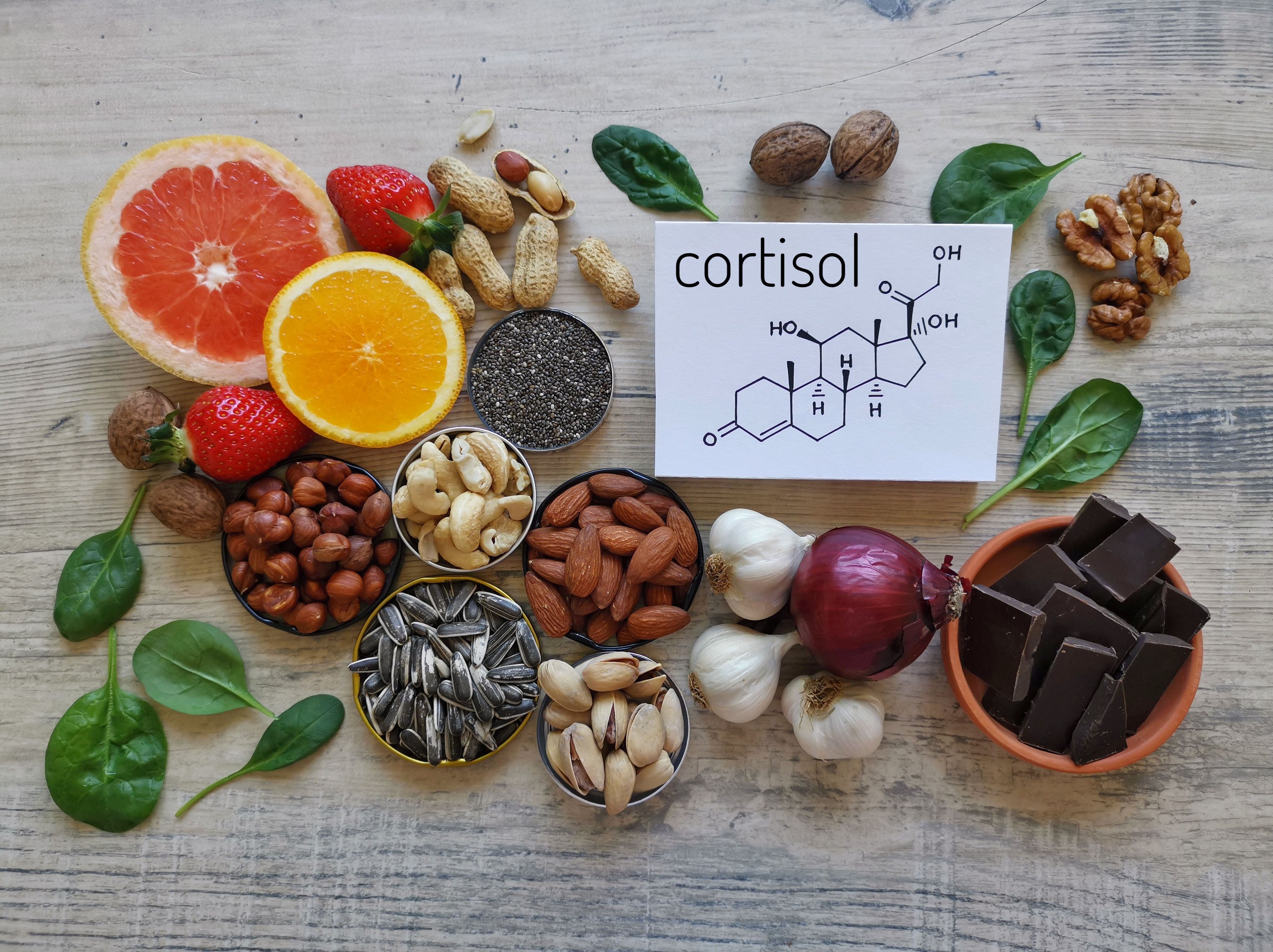
Your diet plays a crucial role in controlling inflammation. Focus on foods that reduce CRP levels:
Fruits & Vegetables: Berries, oranges, spinach, and broccoli are rich in antioxidants.
Healthy Fats: Olive oil, avocados, nuts, and fatty fish (salmon, mackerel) contain omega-3s.
Whole Grains: Oats, brown rice, and quinoa help reduce inflammation.
Spices: Turmeric (curcumin) and ginger have strong anti-inflammatory effects.
Avoid: Sugary snacks, fried foods, processed meats, and refined carbs (white bread, pastries).
2. Exercise Regularly
Moderate physical activity helps lower CRP levels by reducing body fat and improving circulation. Aim for:
30 minutes of walking, swimming, or cycling daily
Strength training 2-3 times a week
Yoga or stretching for flexibility and stress relief
3. Maintain a Healthy Weight
Excess body fat, especially around the belly, increases inflammation. Losing even 5-10% of your body weight can significantly lower CRP levels.
4. Quit Smoking & Limit Alcohol
Smoking increases inflammation, while excessive alcohol raises CRP. If you smoke, seek help to quit, and limit alcohol to moderate levels (1 drink/day for women, 2 for men).
5. Manage Stress
Chronic stress triggers inflammation. Try these relaxation techniques:
Meditation or deep breathing exercises
Adequate sleep (7-9 hours per night)
Spending time in nature
6. Stay Hydrated
Drinking enough water helps flush out toxins and reduces inflammation. Aim for 8-10 glasses daily.
7. Consider Supplements (After Consulting a Doctor)
Some supplements may help lower CRP, including:
Omega-3 fatty acids (fish oil)
Vitamin D (if deficient)
Probiotics (for gut health)
Note: Always consult a doctor before starting any supplements.
When to See a Doctor?
If your CRP levels remain high despite lifestyle changes, consult a doctor to rule ut underlying conditions like infections, autoimmune diseases, or heart disease. If you're concerned about inflammation or need guidance on lowering CRP, Apollo 24|7 offers easy blood testing and expert consultations from the comfort of your home.
Conclusion
Lowering CRP levels is possible with simple, healthy habits. By eating well, staying active, managing stress, and avoiding harmful habits, you can reduce inflammation and protect your long-term health.
Consult Top General Physicians
Consult Top General Physicians

Dr. Anand Ravi
General Physician
2 Years • MBBS, FEM
Bengaluru
PRESTIGE SHANTHINIKETAN - SOCIETY CLINIC, Bengaluru

Dr. Vivek D
General Physician
4 Years • MBBS
Bengaluru
PRESTIGE SHANTHINIKETAN - SOCIETY CLINIC, Bengaluru

Dr Syed Mateen Pasha
General Physician
2 Years • MBBS
Bengaluru
PRESTIGE SHANTHINIKETAN - SOCIETY CLINIC, Bengaluru


Dr. Syed Ismail Ali
General Practitioner
7 Years • MBBS
Hyderabad
Apollo 24|7 Clinic, Hyderabad

Dr. Harshendra Jaiswal
General Physician/ Internal Medicine Specialist
12 Years • MBBS , MD (General medicine)
Kolkata
108 DHANA DHANVANTARI Clinic, Kolkata

(25+ Patients)
Consult Top General Physicians
Dr. Anand Ravi
General Physician
2 Years • MBBS, FEM
Bengaluru
PRESTIGE SHANTHINIKETAN - SOCIETY CLINIC, Bengaluru
Dr. Vivek D
General Physician
4 Years • MBBS
Bengaluru
PRESTIGE SHANTHINIKETAN - SOCIETY CLINIC, Bengaluru
Dr Syed Mateen Pasha
General Physician
2 Years • MBBS
Bengaluru
PRESTIGE SHANTHINIKETAN - SOCIETY CLINIC, Bengaluru
Dr. Syed Ismail Ali
General Practitioner
7 Years • MBBS
Hyderabad
Apollo 24|7 Clinic, Hyderabad
Dr. Harshendra Jaiswal
General Physician/ Internal Medicine Specialist
12 Years • MBBS , MD (General medicine)
Kolkata
108 DHANA DHANVANTARI Clinic, Kolkata
(25+ Patients)