


Natural Ways to Check Pregnancy at Home: DIY Methods
Learn safe, natural ways to check pregnancy at home. Get reliable DIY health tips, how to use a home pregnancy test, what to avoid, and when to see a doctor.

Written by Dr. Rohinipriyanka Pondugula
Reviewed by Dr. Vasanthasree Nair MBBS
Last updated on 14th Jan, 2026
Introduction
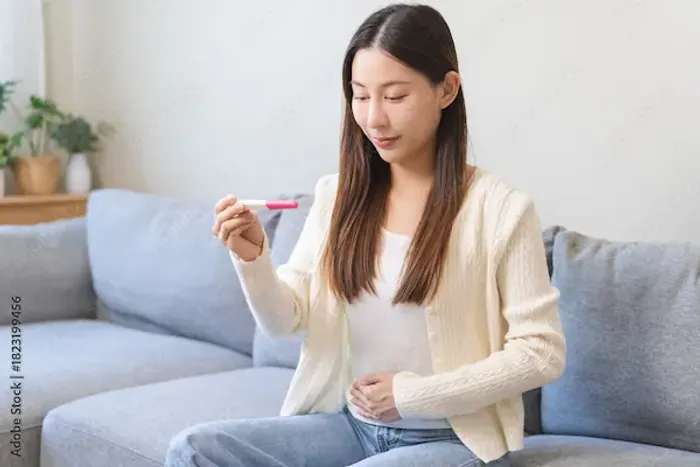
If you are wondering whether you might be pregnant, you are certainly not alone. Many people prefer a private, at-home first step before deciding what to do next. The good news is that you can perform a safe and reliable home pregnancy check without leaving the house. With the right timing, tools, and expectations, at-home testing can provide clear and useful answers. This guide explains what actually works, what does not, and how to use a home pregnancy test correctly. It also covers simple, natural ways to observe early signs, debunks common DIY myths, and explains when it is time to speak to a clinician. Everything here is grounded in clear, trustworthy medical information so you can make informed decisions with confidence.
Consult a Top General Practitioner for Personalised Advice
What A Home Pregnancy Test Actually Detects
The home pregnancy test may reveal the following things:
The Science Behind Home Pregnancy Tests
- Home pregnancy tests detect human chorionic gonadotropin, commonly called hCG.
- hCG is a hormone produced after a fertilised egg implants into the lining of the uterus.
- The presence of hCG in urine is what allows a test to indicate pregnancy.
When HCG Becomes Detectable
- hCG usually becomes detectable around the time of a missed period.
- This is typically about 10–14 days after conception.
- Testing earlier than this increases the chance of a false negative result.
Accuracy Of Home Pregnancy Tests
- When used correctly, most over-the-counter tests are around 99 percent accurate from the first day of a missed period.
- Accuracy depends heavily on timing and following the instructions provided with the test.
Natural Pregnancy Check: Safe Steps You Can Take At Home
A natural pregnancy check can be helpful when combined with proper testing. Body awareness alone cannot confirm
pregnancy, but it can guide you on when to test.
Track Your Cycle And Timing
- Keep note of your usual cycle length and period dates.
- A period that is a week or more late can be an early sign of pregnancy.
- Stress, illness, travel, or hormonal changes can also delay a period.
- If your cycles are irregular, wait at least two to three weeks after unprotected sex before testing.
Notice Early Body Signs
Helpful But Not Diagnostic
- Breast tenderness or swelling
- Nausea or general queasiness
- Increased urination
- Fatigue or unusual tiredness
- Mild cramping or light spotting
These signs can occur for reasons other than pregnancy. They should be treated as signals to take a home pregnancy
test rather than proof on their own.
Use A Home Pregnancy Test The Right Way
Tips for using the test the right way include:
DIY Health Checklist For Accurate Results
- Check the expiration date before use.
- Follow the instructions exactly as written.
- Test on or after the first day of your missed period.
- Use first-morning urine if possible.
- Avoid drinking excessive fluids beforehand.
- Use a timer and read results only within the specified window.
- Repeat the test in 48–72 hours if the result is negative and your period has not started.
- Consider digital tests if you find line tests difficult to interpret.
Correct use is far more important than brand or cost. Even the most sensitive test can give misleading results if used
incorrectly.
When To Call A Clinician?
Situations That Need Medical Advice
- A positive test result requires confirmation and early prenatal care.
- A negative test with a period more than a week late should be discussed with a clinician.
- Persistent pregnancy symptoms despite negative tests also warrant review.
Urgent Symptoms Requiring Immediate Care
- Severe lower abdominal pain, especially on one side
- Shoulder pain
- Dizziness or fainting
- Heavy bleeding with a positive test or missed period
These symptoms can indicate an ectopic pregnancy and require urgent assessment.
DIY Methods To Avoid
Methods to avoid are:
Myths And Safety Risks
- Toothpaste tests
- Sugar tests
- Salt tests
- Soap tests
- Bleach tests
These methods are not supported by science and are unreliable.
Why These Methods Do Not Work
- Household substances do not react specifically with hCG.
- Foaming or colour changes are caused by chemical reactions unrelated to pregnancy.
- Temperature, impurities, and product formulation can all affect results.
Safety Warning
- Never mix urine with bleach or cleaning products.
- Urine may contain ammonia, and mixing it with bleach can release toxic gases.
- Safe pregnancy checks should only use approved home pregnancy tests.
How To Choose A Reliable Home Pregnancy Test?
Tips to choose a reliable home pregnancy test include:
Key Factors To Consider
- Choose FDA-cleared products where applicable.
- Be cautious with early detection claims.
- Digital tests reduce interpretation errors but cost more.
- Store-brand tests are generally as accurate as name brands.
- Store tests in a cool, dry place and avoid damaged packaging.
Choosing a test that suits your comfort level and using it correctly matters more than paying for premium branding.
Common Reasons For Incorrect Results
Common reasons for incorrect results are:
False Negatives
- Testing too early
- Diluted urine
- Not following instructions
- Reading results outside the time window
- Rarely, an ectopic pregnancy or early pregnancy loss
False Positives
- Fertility treatments containing hCG
- Evaporation lines from late reading
- Very rare medical conditions that produce hCG
Understanding these possibilities helps reduce unnecessary anxiety and confusion.
Step-By-Step: Taking A Home Pregnancy Test
Step-by-step procedure for a home pregnancy test is:
Clear And Simple Process
- Step 1: Read all instructions before starting.
- Step 2: Wash your hands and prepare materials.
- Step 3: Use first-morning urine if possible.
- Step 4: Perform the test exactly as directed.
- Step 5: Start a timer immediately.
- Step 6: Check the control indicator and read the results on time.
- Step 7: Retest after two to three days if needed.
- Step 8: Contact a clinician if the result is positive.
Following these steps carefully improves reliability and confidence in the result.
Natural Ways To Support Your DIY Health While You Wait
The natural ways to support DIY health are:
Practical Self-Care Measures
- Track symptoms and cycle dates consistently.
- Take a daily prenatal vitamin with folic acid if pregnancy is possible.
- Avoid alcohol, tobacco, and recreational drugs.
- Limit caffeine intake.
- Check medication safety with a pharmacist or clinician.
These steps support general health and reduce risk during very early pregnancy.
Key Takeaways
- A home pregnancy test is the best, science-based way to check pregnancy at home.
- Natural pregnancy check steps (tracking your period, noting early symptoms) can guide when to test, but are not
diagnostic on their own. - Avoid DIY chemical “tests” found online; they’re inaccurate and can be unsafe.
- If results are unclear or your period is late, retest in 2–3 days or call a clinician.
- Seek urgent care for severe pain, heavy bleeding, dizziness, or shoulder pain with a missed period or positive test.
Consult a Top General Practitioner for Personalised Advice
Consult a Top General Practitioner for Personalised Advice

Dr. Anand Ravi
General Physician
2 Years • MBBS, FEM
Bengaluru
PRESTIGE SHANTHINIKETAN - SOCIETY CLINIC, Bengaluru

Dr. Vivek D
General Physician
4 Years • MBBS
Bengaluru
PRESTIGE SHANTHINIKETAN - SOCIETY CLINIC, Bengaluru

Dr Syed Mateen Pasha
General Physician
2 Years • MBBS
Bengaluru
PRESTIGE SHANTHINIKETAN - SOCIETY CLINIC, Bengaluru

Dr. Debajyoti Goswami
Obstetrician and Gynaecologist
10 Years • MBBS,D.G.O(DNB),Adv. Infertility Tech.(AIIMS, Delhi),Fellowship in Diabetes(U.K),Comprehensive Abortion Care(Govt. Of W.B), Certificate in Clinical Embryology(AIIMS, BHUBANESWAR)
Bankura
D.G Clinic, Bankura

(25+ Patients)


Dr. Syed Ismail Ali
General Practitioner
7 Years • MBBS
Hyderabad
Apollo 24|7 Clinic, Hyderabad
Consult a Top General Practitioner for Personalised Advice
Dr. Anand Ravi
General Physician
2 Years • MBBS, FEM
Bengaluru
PRESTIGE SHANTHINIKETAN - SOCIETY CLINIC, Bengaluru
Dr. Vivek D
General Physician
4 Years • MBBS
Bengaluru
PRESTIGE SHANTHINIKETAN - SOCIETY CLINIC, Bengaluru
Dr Syed Mateen Pasha
General Physician
2 Years • MBBS
Bengaluru
PRESTIGE SHANTHINIKETAN - SOCIETY CLINIC, Bengaluru
Dr. Debajyoti Goswami
Obstetrician and Gynaecologist
10 Years • MBBS,D.G.O(DNB),Adv. Infertility Tech.(AIIMS, Delhi),Fellowship in Diabetes(U.K),Comprehensive Abortion Care(Govt. Of W.B), Certificate in Clinical Embryology(AIIMS, BHUBANESWAR)
Bankura
D.G Clinic, Bankura
(25+ Patients)
Dr. Syed Ismail Ali
General Practitioner
7 Years • MBBS
Hyderabad
Apollo 24|7 Clinic, Hyderabad
More articles from Sex Education



Frequently Asked Questions
1) How early can a home pregnancy test detect pregnancy?
Some sensitive tests may detect hCG a few days before your missed period. For the most reliable result, test on or after the first day of your missed period. If you test early and it’s negative, retest in 48 to 72 hours.
2) Are there any natural home pregnancy tests that work without a kit?
No. Household “DIY” methods (toothpaste, sugar, salt, bleach, soap, or similar) are not accurate and may be unsafe. The only reliable at-home method is an approved home pregnancy test used as directed.
3) Can drinking a lot of water affect my test?
Yes. Excess fluids can dilute your urine and hCG, leading to a false negative. Use first-morning urine and avoid heavy fluid intake right before testing.
4) Do medications affect home pregnancy test results?
Fertility medications that contain hCG can cause a false positive if you test too soon after taking them. Most other common medications, including antibiotics and birth control pills, do not affect results. If unsure, check the test’s instructions and ask your clinician or pharmacist.
5) What should I do after a positive home pregnancy test?
Call your clinician to confirm the pregnancy and start prenatal care. Begin or continue taking a prenatal vitamin with folic acid, and follow guidance on nutrition, exercise, and avoiding substances that could harm a developing pregnancy.