



Understanding STDs Symptoms, Causes, and Treatments
Know about the STDs, what they are, common symptoms, causes, diagnosis, treatment and prevention. Learn how to lead a healthy sexual life and more.

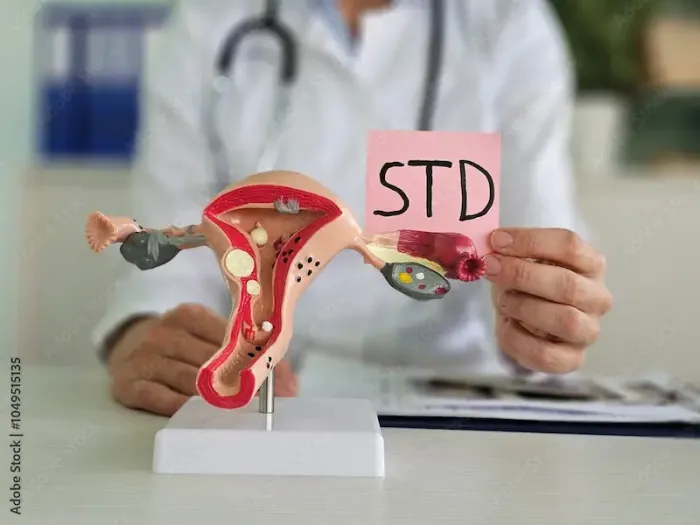
Introduction
Sexually transmitted diseases (STDs), also known as sexually transmitted infections (STIs), are infections that spread through sexual contact. They can affect anyone sexually active, regardless of age, gender, or sexual orientation. While STDs are common, many people don’t know they have one because symptoms aren’t always obvious. The good news is that most STDs are treatable, and early detection can prevent complications.
This article will help you understand STDs, what they are, their symptoms, causes, and available treatments. We’ll also share prevention tips and when to seek medical help.
What Are STDs?
STDs are infections caused by bacteria, viruses, or parasites that spread through vaginal, anal, or oral sex.
Some common STDs include:
• Chlamydia (bacterial)
• Gonorrhea (bacterial)
• Syphilis (bacterial)
• Human Papillomavirus (HPV) (viral)
• Herpes (HSV) (viral)
• HIV/AIDS (viral)
• Hepatitis B & C (viral)
• Trichomoniasis (parasitic)
Some STDs, like HIV and herpes, stay in the body for life, while others, like chlamydia and gonorrhea, can be cured with proper treatment.
Consult a Sexologist for Personalised Advice
Common Symptoms of STDs
Many STDs don’t show symptoms right away, which is why regular testing is important. When symptoms do appear, they may include:
For Both Men and Women:
• Painful urination
• Unusual discharge from the genitals
• Sores, blisters, or rashes on the genitals, mouth, or anus
• Itching or irritation in the genital area
• Swollen lymph nodes in the groin
Additional Symptoms in Women:
• Pain during sex
• Bleeding between periods
• Lower abdominal pain
• Unusual vaginal odour
Additional Symptoms in Men:
• Pain or swelling in the testicles
• Discharge from the penis
If you notice any of these symptoms, it’s important to get tested as soon as possible. Some STDs, if left untreated, can lead to serious health problems like infertility, organ damage, or an increased risk of HIV.
What Causes STDs?
STDs spread through sexual contact, including:
• Vaginal, anal, or oral sex
• Sharing needles (for drugs, tattoos, or piercings)
• From mother to baby during childbirth or breastfeeding
Risk factors for STDs include:
• Having unprotected sex (without condoms)
• Multiple sexual partners
• A history of previous STDs
• Not getting vaccinated (for HPV or Hepatitis B)
How Are STDs Diagnosed?
If you suspect you have an STD, a doctor can diagnose it through:
• Physical examination (checking for sores, discharge, or rashes)
• Blood tests (for HIV, syphilis, hepatitis)
• Urine tests (for chlamydia, gonorrhea)
• Swab tests (from the genitals, mouth, or anus)
Many STDs can be detected early with simple tests, so don’t hesitate to get checked if you’re at risk.
Treatment Options for STDs
Treatment depends on the type of STD:
1. Bacterial STDs (Chlamydia, Gonorrhea, Syphilis)
• These can be cured with antibiotics. It’s important to complete the full course of medication and avoid sex until the infection is fully treated.
2. Viral STDs (Herpes, HIV, HPV, Hepatitis B & C)
While these can’t be cured, medications can help manage symptoms and reduce complications:
• Antiviral drugs (for herpes and HIV)
• Vaccines (for HPV and Hepatitis B)
• Regular monitoring (for chronic infections like HIV and Hepatitis C)
3. Parasitic STDs (Trichomoniasis)
• These are treated with prescription antiparasitic medications.
Important: Never ignore an STD—untreated infections can lead to long-term health issues.
How to Prevent STDs?
The best way to stay safe is through prevention. Here are some key steps:
• Use Condoms – Latex or polyurethane condoms reduce the risk of most STDs.
• Get Vaccinated – Vaccines for HPV and Hepatitis B are highly effective.
• Limit Sexual Partners – Fewer partners lower your risk.
• Get Tested Regularly – Especially if you’re sexually active with new partners.
• Avoid Sharing Needles – Always use sterile needles for injections, tattoos, or piercings.
• Communicate with Your Partner – Discuss sexual health openly before intimacy.
When to See a Doctor
You should consult a doctor if:
• You notice any unusual symptoms
• Your partner has been diagnosed with an STD
• You’ve had unprotected sex
• You’re planning a pregnancy (some STDs can affect the baby)
Early testing and treatment can prevent complications and protect your health.
Final Thoughts
Take Control of Your Sexual HealthSTDs are common, but they don’t have to be scary. With awareness, prevention, and timely treatment, you can stay healthy and protect yourself and your partner.
Consult a Sexologist for Personalised Advice
Consult a Sexologist for Personalised Advice

Dr. Dhruv B. Patel
Urologist
12 Years • MBBS, MS, DrNB (Urology - IKDRC, Ahmedabad)
Ahmedabad
Apollo Hospitals Gandhinagar, Ahmedabad

Dr. Rohit Bhattar
Uro Oncologist
14 Years • MBBS, MS, MCh (Urology), Fellowship in Uro-oncology and Robotic Urology (United Kingdom)
Ahmedabad
Apollo Hospitals Gandhinagar, Ahmedabad

(125+ Patients)

Dr Anupam Sharma
Urologist
18 Years • MBBS, MS(Gen Surgery), DNB (Urology)
Delhi
Apollo Hospitals Indraprastha, Delhi
(25+ Patients)

Dr Rohit Ranjan
Psychiatrist
10 Years • MBBS, MD (Psychiatry)
Bengaluru
Apollo Medical Center, Marathahalli, Bengaluru
(75+ Patients)

Dr. Manjunath H
Neuro Psychiatrist
20 Years • MBBS, DPM
Bengaluru
Apollo Clinic, Indiranagar, Bengaluru
(75+ Patients)
Consult a Sexologist for Personalised Advice
Dr. Dhruv B. Patel
Urologist
12 Years • MBBS, MS, DrNB (Urology - IKDRC, Ahmedabad)
Ahmedabad
Apollo Hospitals Gandhinagar, Ahmedabad
Dr. Rohit Bhattar
Uro Oncologist
14 Years • MBBS, MS, MCh (Urology), Fellowship in Uro-oncology and Robotic Urology (United Kingdom)
Ahmedabad
Apollo Hospitals Gandhinagar, Ahmedabad
(125+ Patients)
Dr Anupam Sharma
Urologist
18 Years • MBBS, MS(Gen Surgery), DNB (Urology)
Delhi
Apollo Hospitals Indraprastha, Delhi
(25+ Patients)
Dr Rohit Ranjan
Psychiatrist
10 Years • MBBS, MD (Psychiatry)
Bengaluru
Apollo Medical Center, Marathahalli, Bengaluru
(75+ Patients)
Dr. Manjunath H
Neuro Psychiatrist
20 Years • MBBS, DPM
Bengaluru
Apollo Clinic, Indiranagar, Bengaluru
(75+ Patients)