


Foods to Flush Nicotine: Best Diet Tips for Smokers
Want to flush nicotine naturally? Learn the best foods for smokers, a realistic lung detox diet, and simple tips to feel better while you quit.

Written by Dr. Dhankecha Mayank Dineshbhai
Reviewed by Dr. J T Hema Pratima MBBS, Fellowship in Diabetes Mellitus
Last updated on 14th Jan, 2026
Introduction
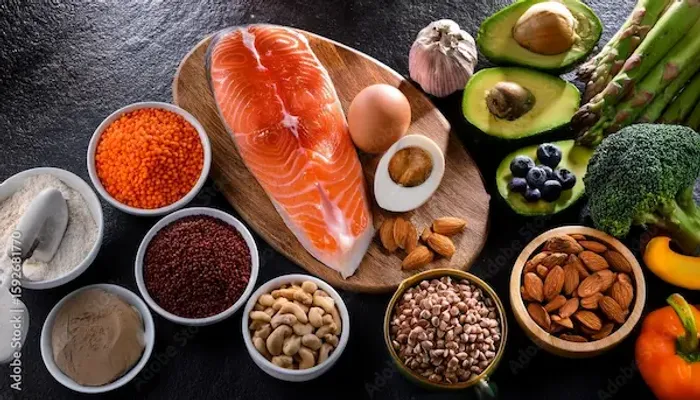
If you smoke or you are in the process of quitting, you may wonder which foods can help flush nicotine and support lung recovery. Although many products claim to detox the body, no single food or drink can remove nicotine instantly. Your liver and kidneys naturally process nicotine, and time is what fully clears it. However, a nutrient-dense diet can ease cravings, reduce inflammation, support lung function, and help your body heal more effectively while you quit. This guide explains what a realistic lung detox diet looks like and provides practical, evidence-based strategies that you can start using immediately.
Consult a Top General Practitioner for Personalised Advice
Why This Topic Matters
Healthy nutrition plays a crucial role during and after smoking cessation:
- Smoking generates oxidative stress, irritates the airways, and reduces immune resilience.
- Nutritious foods help reduce inflammation and support the recovery of lung tissues.
- Consistent eating habits stabilise blood sugar, reduce irritability, and make cravings easier to manage.
- You do not need expensive detox programmes; simple grocery staples, hydration, and regular meals provide meaningful
support.
Can Foods Really Flush Nicotine?
Let us see how the foods can flush nicotine out of your body:
Understanding Nicotine Metabolism
Nicotine is broken down mainly in the liver and eliminated through urine. While hydration and nutrient-rich foods
support general metabolic processes, they do not accelerate the clearance of nicotine beyond what the body naturally
achieves.
What You Can Count On
- Your body’s natural detox systems remove nicotine over time.
- Quitting smoking delivers rapid health improvements, including better circulation and lung function within weeks.
- Nutritional choices can help manage cravings, support immune function, and protect cardiovascular and respiratory
health as your body clears nicotine.
Best Foods For Smokers: What To Eat More Often
Best foods for smokers include:
Vitamin C-rich Foods
Smoking depletes vitamin C and increases oxidative stress. Eating vitamin C-rich foods helps restore levels and supports
immune function.
- Oranges, grapefruit, kiwi, strawberries, pineapple, mango
- Tomatoes, bell peppers, broccoli, Brussels sprouts
- Add citrus to drinking water, include berries in snacks, or steam broccoli with dinner
Colourful Fruits And Vegetables (Antioxidants)
These foods supply phytonutrients that help buffer the oxidative impact of smoking.
- Aim for at least five servings of fruits and vegetables daily
- Leafy greens, carrots, beets, sweet potatoes, red cabbage
- Blueberries, blackberries, and cherries for additional antioxidant support
Cruciferous Vegetables and Alliums
Cruciferous vegetables and alliums are staples in cardiometabolic and respiratory health.
- Crucifers: broccoli, cauliflower, kale, bok choy, Brussels sprouts
- Alliums: onions, garlic, leeks, scallions
- Roast large batches of these vegetables for easy weekly meals; add garlic and onion to soups and stir-fries
High-fibre Foods for Steady Energy
Fibre stabilises energy and supports digestion, helping manage cravings and weight changes during quitting.
- Whole grains: oats, brown rice, barley, quinoa, whole-wheat pasta
- Legumes: lentils, chickpeas, black beans, split peas
- Nuts and seeds: almonds, walnuts, chia, flaxseed
Lean Proteins and Omega-3s
Protein helps maintain fullness, and omega-3 fats support heart health and reduce systemic inflammation.
- Lean proteins: poultry, eggs, tofu, tempeh, edamame, Greek yoghurt
- Omega-3 sources: salmon, sardines, mackerel, trout, chia seeds, walnuts
- Add fish two times per week; mix ground flaxseed into porridge or smoothies
Hydration Helpers
Hydration supports kidney function, reduces cravings, and helps maintain concentration.
- Water as your primary beverage
- Herbal teas: mint, ginger, chamomile, hibiscus
- Green tea for antioxidants and a gentle energy lift
- Drink a large glass of water when cravings appear to distract and reset urges
Fermented Foods For Gut Health
A healthy gut microbiome enhances immune function and overall resilience.
- Yoghurt with live cultures, kefir, kimchi, sauerkraut, miso, tempeh
- Pair fermented foods with whole grains and vegetables for maximum benefit
Anti-inflammatory Spices
These spices enhance flavour while supporting a nutrient-dense diet.
- Turmeric (with pepper), ginger, cinnamon, garlic powder, paprika
- Rosemary, thyme, and oregano for additional antioxidant support
What To Limit While You “Flush Nicotine” And Heal
Foods And Drinks To Reduce
- Alcohol can trigger smoking cravings and interfere with sleep
- Excess caffeine, which feels stronger after quitting and may cause jitteriness
- Sugary drinks and sweets that cause blood sugar spikes and energy crashes
- Ultra-processed snacks are high in additives and salt
- Heavily charred or smoked foods, which may produce inflammatory compounds
Sample 1-day Lung Detox Diet Menu
Sample 1-day lung detox diet includes:
Breakfast
- Oatmeal made with milk or fortified plant milk
- Topped with blueberries, banana slices, and a tablespoon of ground flaxseed
- Green tea or warm water with lemon
Morning Snack
- Greek yoghurt or plant yoghurt with live cultures
- Kiwi and strawberry slices for vitamin C
Lunch
- Mixed salad: greens, tomatoes, cucumbers, carrots, chickpeas, avocado
- Add grilled salmon or tofu as a lean protein source
- Whole-grain roll with olive oil and lemon dressing
- Water or unsweetened iced herbal tea
Afternoon Snack
- Crunchy vegetables with hummus
- A handful of walnuts for omega-3s
Dinner
- Stir-fried broccoli, bok choy, onions, mushrooms, and garlic
- Chicken, edamame, or tempeh as protein
- Served with quinoa or brown rice
- Ginger tea after the meal for digestive support
Evening Craving Strategy
- Drink a full glass of water
- Chew sugar-free gum or eat apple slices
- Take a 10-minute walk or practise deep breathing
Smart Quit-smoking Nutrition Tips That Work
Smart tips for quitting smoking include:
Practical Nutrition Adjustments
- Do not skip meals; steady eating reduces cravings
- Keep pre-planned snacks for hand-to-mouth satisfaction
- Choose water as your default beverage throughout the day
- Reduce caffeine if jitteriness increases after quitting
- Use herbal tea, carrot sticks, or water bottles to address habitual hand movements
- Introduce dietary changes gradually to build lasting habits
- Consult a healthcare professional before starting supplements or herbal detox products
Realistic Expectations of Lung Detox Diet
The lung detox diet tips include:
What a Lung-supportive Diet Can (and Cannot) Do
- Lungs begin healing soon after quitting; cilia gradually regain normal function
- Nutrition helps repair cells, reduce inflammation, and increase energy
- No smoothie, pill, or drink can erase damage instantly
- A “lung detox diet” is essentially a balanced, anti-inflammatory eating pattern that supports recovery alongside lifestyle
improvements
Grocery List To Start
The basic shopping food items
Produce
- Oranges, lemons, limes, berries, bananas, apples, kiwi
- Leafy greens, bell peppers, tomatoes, onions, garlic
- Broccoli, Brussels sprouts, sweet potatoes
Proteins
- Eggs, chicken, tofu, tempeh, edamame
- Greek yoghurt, kefir
- Beans, lentils, canned salmon or tuna
Grains
- Oats, quinoa, brown rice, whole-wheat bread and pasta
Healthy Fats
- Olive oil, avocado, almonds, walnuts, chia seeds, ground flaxseed
Beverages
- Water, herbal teas, green tea (regular or decaf)
Conclusion
A lung-supportive diet does not rely on detox fads but on consistent, nutrient-dense eating habits. Colourful produce, whole grains, lean proteins, healthy fats, and steady hydration form the foundation of recovery while quitting smoking. These foods support your immune system, stabilise energy, reduce inflammation, and make cravings easier to manage. Combined with proven smoking cessation strategies and medical support, this nutrition plan can significantly improve both short- and long-term health. With steady commitment, your body begins to heal remarkably quickly, and every positive dietary choice strengthens that progress.
Consult a Top General Practitioner for Personalised Advice
Consult a Top General Practitioner for Personalised Advice

Dr. Rajib Ghose
General Physician/ Internal Medicine Specialist
25 Years • MBBS
East Midnapore
VIVEKANANDA SEBA SADAN, East Midnapore

Dr. Tanmaya Kumar Sahu
General Physician/ Internal Medicine Specialist
12 Years • MBBS, MD ( Internal Medicine )
Bhubaneswar
Apollo Hospitals Old Sainik School Road, Bhubaneswar

(25+ Patients)

Dr. Suvayan Sadhu
General Practitioner
2 Years • MBBS
Kolkata
GRD POLYCLINIC, Kolkata

Dr. Smita Avhad Md
General Practitioner
20 Years • MBBS , MD (Pharmacology)
Hyderabad
SHAKUNTALA CLINIC, Hyderabad

Dr. Arthi S
Family Physician
3 Years • MBBS
Bengaluru
PRESTIGE SHANTHINIKETAN - SOCIETY CLINIC, Bengaluru
Consult a Top General Practitioner for Personalised Advice
Dr. Rajib Ghose
General Physician/ Internal Medicine Specialist
25 Years • MBBS
East Midnapore
VIVEKANANDA SEBA SADAN, East Midnapore
Dr. Tanmaya Kumar Sahu
General Physician/ Internal Medicine Specialist
12 Years • MBBS, MD ( Internal Medicine )
Bhubaneswar
Apollo Hospitals Old Sainik School Road, Bhubaneswar
(25+ Patients)
Dr. Suvayan Sadhu
General Practitioner
2 Years • MBBS
Kolkata
GRD POLYCLINIC, Kolkata
Dr. Smita Avhad Md
General Practitioner
20 Years • MBBS , MD (Pharmacology)
Hyderabad
SHAKUNTALA CLINIC, Hyderabad
Dr. Arthi S
Family Physician
3 Years • MBBS
Bengaluru
PRESTIGE SHANTHINIKETAN - SOCIETY CLINIC, Bengaluru
More articles from Smoking Cessation


Frequently Asked Questions
1) Do any foods flush nicotine out of your body faster?
Not in a meaningful way. Your liver and kidneys clear nicotine and its byproducts over time. Eating well and staying hydrated support overall health, but there’s no single food that instantly removes nicotine.
2) How long does nicotine stay in your system?
Nicotine is cleared relatively quickly, while its main metabolite, cotinine, can be detected for several days. The exact timing varies by your smoking pattern, genetics, and hydration. If you’re quitting, the benefits to your heart and lungs begin within days to weeks.
3) What are the best vitamins or nutrients for smokers?
Focus on vitamin C–rich fruits and vegetables, plus a variety of antioxidant-rich produce, fibre, and omega-3 fats. Smokers and recent quitters often benefit from extra vitamin C from food. Ask a clinician before starting supplements.
4) Are “detox drinks” worth it?
There’s no strong evidence that special detox drinks flush nicotine. Water, herbal tea, and a balanced diet are reliable, safe, and cost-effective.
5) Can diet help with cravings and weight changes when I quit?
Yes. Regular meals, high-fibre foods, lean protein, and hydration help stabilise energy and reduce urges to snack on sweets. Keep healthy snacks handy and consider cutting back on caffeine if jitters or sleep issues arise.