


Guide to Sports Nutrition And Its Importance
Discover the ultimate sports nutrition guide for athletes and fitness enthusiasts. Learn how to fuel performance, optimize recovery, and achieve your fitness goals with expert-backed nutrition, hydration, and supplementation tips.

Written by Dr. Md Yusuf Shareef
Reviewed by Dr. Rohinipriyanka Pondugula MBBS
Last updated on 13th Jan, 2026
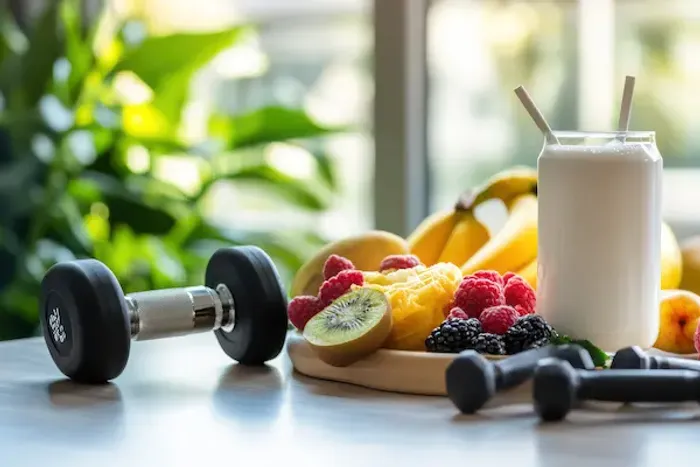
Introduction
Whether you're a weekend warrior, a dedicated gym-goer, or a competitive athlete, what you eat is just as crucial as your training regimen. Sports nutrition is the specialized field of study and practice that focuses on what, when, and how to eat to optimize athletic performance, enhance recovery, and support overall health. It’s the science of fueling your body correctly to meet the unique demands of physical activity. Understanding the importance of proper sports nutrition can be the difference between hitting a personal best and hitting a wall. This comprehensive guide will demystify the core principles, from macronutrients and hydration to timing and supplementation, providing you with the actionable knowledge to elevate your training, achieve your fitness goals, and unlock your full potential. Let's dive into how you can fuel your body for success.
Why Sports Nutrition is Non-Negotiable for Athletes
Think of your body as a high-performance vehicle. You wouldn't put low-grade fuel in a race car and expect it to win; similarly, you can't expect your body to perform, recover, and adapt without the right nutritional inputs. The importance of sports nutrition extends far beyond simply providing energy. It directly impacts:
- Performance: Proper fueling delays fatigue, improves speed, strength, and endurance, and sharpens mental focus.
- Recovery: The right nutrients after exercise repair damaged muscle tissue, replenish energy stores, and reduce soreness, getting you ready for your next session faster.
- Body Composition: Strategic nutrition helps build lean muscle mass and reduce body fat, which is beneficial for both power-to-weight ratio and overall health.
- Immune Function: Intense training can suppress the immune system. A diet rich in vitamins, minerals, and antioxidants
helps keep you healthy and consistent. - Injury Prevention: Strong bones and resilient tissues, built through adequate intake of calcium, vitamin D, protein, and other nutrients, are less prone to injury.
Ignoring nutrition can lead to subpar performances, prolonged recovery, increased injury risk, and overall burnout.
The Building Blocks; Macronutrients Demystified
Carbohydrates; The Premier Fuel Source
Carbohydrates are the body's primary and most efficient source of energy, especially during high-intensity exercise. They are broken down into glucose and stored as glycogen in the muscles and liver. During a workout, your body taps into these glycogen stores for fuel. Depleted glycogen leads to fatigue, "hitting the wall," and decreased performance.
Examples: Focus on complex carbs for sustained energy (oats, brown rice, quinoa, whole-wheat bread, sweet potatoes) and simple carbs for quick energy around workouts (fruits, sports drinks, white rice).
Protein: The Foundation for Repair and Growth
Protein is essential for building and repairing muscle tissue damaged during exercise. It's made of amino acids, the building blocks of muscle. Adequate protein intake supports muscle hypertrophy (growth), aids recovery, and can help preserve muscle mass during weight loss phases.
Examples: Aim for high-quality, complete protein sources like chicken breast, fish, eggs, Greek yogurt, lentils, tofu, and
whey protein powder. The optimal protein intake for muscle growth is typically 1.6-2.2 grams per kilogram of body weight per day.
Fats: The Endurance Energy Reservoir
Fats are a vital energy source for longer, lower-to-moderate intensity exercise (e.g., long-distance running, cycling). They also support hormone production, vitamin absorption, and joint health. While they are energy-dense, they are digested slowly and should not be consumed in large quantities immediately before exercise.
Examples: Incorporate healthy unsaturated fats like avocados, nuts, seeds, olive oil, and fatty fish (salmon, mackerel) into your daily meals.
The Unsung Heroes: Micronutrients and Hydration
Essential Vitamins and Minerals for Peak Function
While macronutrients provide energy, micronutrients are the co-factors that unlock it. Key players include:
- Iron: Carries oxygen to muscles. Deficiency can cause fatigue and impair performance.
- Calcium & Vitamin D: Critical for bone health and muscle function.
- B Vitamins: Essential for energy production from food.
- Antioxidants (Vitamins C & E, Selenium): Help combat oxidative stress caused by intense training.
A balanced diet rich in fruits, vegetables, whole grains, and lean proteins typically covers these needs. If you suspect a
deficiency, a doctor can recommend tests; Apollo24|7 offers a convenient home collection for tests like vitamin D or
HbA1c.
Water and Electrolytes: The Cornerstone of Performance
Even mild dehydration (as little as 2% body weight loss) can drastically impair performance, reduce concentration, and
increase perceived effort. Hydration strategies for athletes involve drinking water throughout the day, not just during
workouts. For exercise lasting longer than 60 minutes or in hot conditions, electrolyte-rich drinks (containing sodium,
potassium, magnesium) are crucial to replace what is lost in sweat and prevent cramping and hyponatremia.
Timing is Everything: Nutrient Timing Strategies
Pre-Workout Nutrition: Priming the Engine
The goal of a pre-workout meal (consumed 1-3 hours before exercise) is to top off glycogen stores and provide a steady
stream of energy without causing gastrointestinal distress. It should be higher in carbs, moderate in protein, and low in
fat and fiber.
Sample Pre-Workout Meals and Snacks
- Meal (2-3 hours before): Grilled chicken with brown rice and steamed broccoli.
- Snack (30-60 minutes before): A banana with a tablespoon of almond butter, or a small bowl of oatmeal.
Intra-Workout Nutrition: Sustaining the Effort
- For most workouts under 60 minutes, water is sufficient. For endurance events or long sessions (>90 minutes),
consuming 30-60 grams of easily digestible carbohydrates per hour (e.g., a sports drink, energy gel, or banana) can help
maintain blood glucose levels and delay fatigue.
Post-Workout Recovery: The Golden Window
- The 30-60 minutes post-exercise is an optimal time for recovery nutrition. Your muscles are primed to replenish glycogen and repair tissue. A combination of carbs and protein is ideal.
Optimal Post-Workout Meal Composition
Aim for a 3:1 or 4:1 ratio of carbohydrates to protein. Post workout recovery foods can include:
- Chocolate milk (a classic for a reason!)
- Greek yogurt with berries and honey
- A protein shake with a banana
- Scrambled eggs on whole-wheat toast
Beyond the Basics: Supplements and Ergogenic Aids
Supplements should supplement a solid diet, not replace it. Very few are universally effective.
Evidence-Based Supplements for Athletes
- Creatine Monohydrate: Well-researched for improving strength, power output, and muscle mass in high-intensity
activities. - Caffeine: A proven ergogenic aid that can enhance endurance, focus, and strength.
- Whey Protein: A convenient way to meet high protein demands, especially post-workout.
- Branched-Chain Amino Acids (BCAAs): May aid in recovery and reduce muscle soreness, though whole protein
sources are often sufficient.
Always choose products from reputable brands and consult a healthcare professional or sports dietitian before starting a
new supplement regimen.
Tailoring Your Plan: Nutrition for Different Goals
Eating for Muscle Gain and Strength
This requires a caloric surplus with a strong emphasis on protein. Focus on calorie-dense foods, frequent meals, and
consistent strength training.
Nutrition for Endurance and Stamina
The priority is carbohydrate availability. This includes daily high-carb intake, carbohydrate loading for marathon events, and mastering fueling strategies during long activities.
Fueling for Weight Loss and Leanness
The goal is a caloric deficit while preserving muscle mass. This means prioritizing high-protein intake, nutrient-dense
foods (high volume, low calories like vegetables), and timing carbohydrates around workouts to fuel performance and recovery.
Putting It All Together: A Sample Sports Nutrition Plan
- Breakfast (7 AM): 3 scrambled eggs, 1 cup oatmeal with berries, glass of water.
- Pre-Workout Snack (10:30 AM): Apple with a handful of almonds.
- Lunch (1 PM - Post-Workout): 150g grilled salmon, 1 cup quinoa, large mixed salad with olive oil dressing.
- Snack (4 PM): Greek yogurt with a scoop of protein powder and chia seeds.
- Dinner (7 PM): Stir-fry with chicken, brown rice, and plenty of colorful vegetables.
- Hydration: Water consistently throughout the day. Electrolyte drink during prolonged training.
Quick Takeaways: Key Sports Nutrition Principles
Carbohydrates are your main fuel; protein repairs and builds muscle; fats support overall health.
- Hydration is critical—drink water throughout the day and consider electrolytes for long sessions.
- Time your nutrients: eat a carb-rich meal before, fuel during long efforts, and consume protein + carbs after.
- Prioritize whole, nutrient-dense foods over processed options.
- Tailor your calorie and macronutrient intake to your specific sport and goals.
- Supplements can help but are not a magic bullet—focus on diet first.
- Consistency is more important than perfection.
Conclusion
Mastering sports nutrition is a journey of experimentation and consistency. It's about understanding the profound
importance of fueling your body with intention to support your active lifestyle. By applying the principles outlined in this guide—focusing on macronutrient balance, strategic timing, and optimal hydration—you empower yourself to train harder, recover faster, and get closer to your athletic goals than ever before. Start by implementing one or two changes, like improving your post workout recovery foods or focusing on daily hydration. Listen to your body, track what works, and be patient. If you have specific health conditions or performance plateaus, consider seeking personalized advice. For a tailored plan that addresses your unique needs, you can consult a sports nutritionist or doctor online with Apollo24|7 for further evaluation. Now, go fuel your potential!
Consult a Specialist for the best advice
Consult a Specialist for the best advice

Dr. Rajib Ghose
General Physician/ Internal Medicine Specialist
25 Years • MBBS
East Midnapore
VIVEKANANDA SEBA SADAN, East Midnapore

Dr. Impana G N
Physician/ Internal Medicine/ Covid Consult
11 Years • MBBS,DNB FAMILY MEDICINE, MNAMS ,CCEBDM
Mysuru
Apollo BGS Hospital Adichuchanagiri Road, Mysuru

Dr. Mijanur Rahaman Mondal
General Practitioner
3 Years • MBBS
Kolkata
Dr Utsa Basu Clinic, Kolkata

(25+ Patients)

Dr. Anand Ravi
General Physician
2 Years • MBBS, FEM
Bengaluru
PRESTIGE SHANTHINIKETAN - SOCIETY CLINIC, Bengaluru

Dr. Soumen Paul
General Practitioner
24 Years • MBBS
Kolkata
MCR SUPER SPECIALITY POLY CLINIC & PATHOLOGY, Kolkata
(25+ Patients)
More articles from Sports Nutrition

Frequently Asked Questions
Q1. What should I eat 30 minutes before a workout?
Opt for a small, easily digestible snack of simple carbohydrates, like a banana, a few dates, or a rice cake with a little jam. Avoid fat, fiber, and large amounts of protein right before.
Q2. Is it necessary to drink protein shakes?
No, they are not necessary if you can meet your high protein requirements through whole foods. However, they are a convenient and efficient way to ensure adequate intake, especially post-workout.
Q3. How much water should I drink during exercise?
A general guideline is to drink about 500ml (17 oz) 2 hours before exercise, and then 150-350ml (5-12 oz) every 15-20 minutes during exercise. Adjust based on sweat rate and weather.
Q4. What are the best foods for muscle recovery?
The best post workout recovery foods combine a fast-digesting protein source (like whey protein or Greek yogurt) with a carbohydrate (like fruit or a bagel). Chocolate milk is a great natural option.
Q5. Can I follow a vegan diet for sports performance?
Absolutely. A well-planned vegan sports nutrition guide focuses on plant-based protein sources (lentils, tofu, tempeh, seitan, beans, quinoa), ensuring adequate intake of iron, B12, calcium, and omega-3s through fortified foods or supplements.