



Home Remedies for Stretch Marks: 7 Natural Cures
Discover 7 stretch mark remedies using natural skin care. Learn what really helps fade lines, what won’t remove stretch marks, and when to see a dermatologist.

Written by Dr. Dhankecha Mayank Dineshbhai
Reviewed by Dr. M L Ezhilarasan MBBS
Last updated on 13th Jan, 2026
Introduction
Stretch marks (also called striae) are common, natural, and nothing to be ashamed of. They often show up during growth spurts, pregnancy, weight changes, or muscle gain. Many people look for stretch mark remedies they can try at home. While no home method can totally remove stretch marks, smart natural skin care can help them fade, feel smoother, and be less noticeable over time. Below, you’ll find seven safe, simple strategies, what to expect, and when to consider professional treatments.
What Are Stretch Marks and Why Do They Happen?
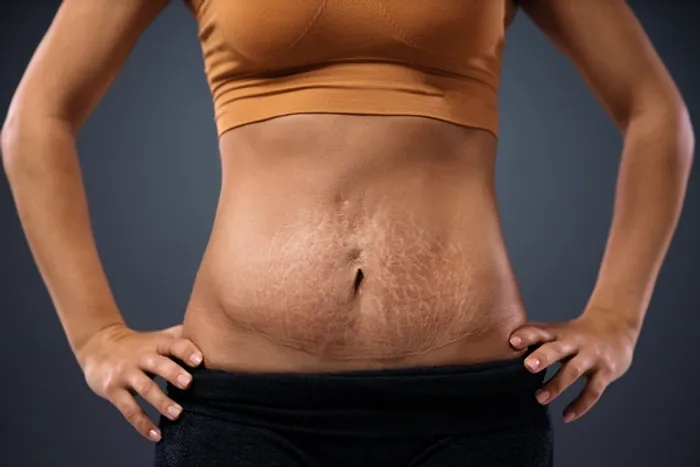
Stretch marks form when the skin stretches faster than it can adapt, leading to small tears in the deeper layer (dermis). They often start as pink, red, or purple lines (striae rubrae) and may feel itchy or slightly raised. Over months to years, they typically lighten to white or silvery lines (striae albae) and become less noticeable.
- Common Triggers
- Puberty and growth spurts
- Pregnancy
- Rapid weight gain or loss
- Certain medical conditions or prolonged use of corticosteroid medications
- Rapid muscle growth from strength training
Can Home Remedies Remove Stretch Marks?
Honest answer: No home remedy can completely remove stretch marks. However, consistent, gentle care can improve texture, soothe itch, support skin comfort, and help newer marks fade in color more quickly. Evidence for most “miracle cures” is limited. Dermatology-backed treatments exist, but they work best on early marks and may require multiple sessions. Read on for natural skin care ideas you can start today, plus guidance on proven medical options.
7 Natural Stretch Marks Remedies You Can Try
1) Moisturize Daily With Simple, Fragrance-Free Creams
Why it helps: Hydrated skin looks and feels better. Moisturizers reduce itch and may help early stretch marks look smoother. Ingredients that draw water into the skin (humectants), such as hyaluronic acid and glycerin, can be helpful.
How To Do It?
- Apply a rich, fragrance-free cream or lotion 1–2 times daily, ideally after a shower.
- Look for: glycerin, hyaluronic acid, shea butter, ceramides.
- Be consistent. Improvements are gradual and subtle.
Evidence Notes
- Moisturizers help with comfort and appearance; while not a cure, they’re safe, accessible, and form the foundation of natural skin care for stretch marks.
Consult a Top General Physician
2) Gentle Massage With Plant Oils
Why it helps: Massage increases local circulation and helps products spread evenly. Some small studies suggest that massage with certain oils (like bitter almond oil) during pregnancy may reduce the number or severity of stretch marks compared with no massage.
How To Do It?
- Use a few drops of plain plant oil (such as sweet almond or coconut oil) and massage the area for 5–10 minutes daily.
- Avoid essential oils directly on the skin, especially during pregnancy.
- If you have a nut allergy, skip nut-based oils.
Evidence Notes
- Results vary, and evidence is limited. The massage step may matter as much as the oil itself.
3) Soothe With Aloe Vera Gel
Why it helps: Aloe vera can calm irritation and hydrate. This may help skin feel better and support its natural repair.
How To Do It?
- Choose a simple aloe gel without added fragrance or alcohol.
- Apply a thin layer once or twice daily to newer stretch marks.
Evidence Notes
- Aloe vera is not proven to erase marks, but it is generally safe and soothing.
4) Protect Skin From The Sun Every Day
Why it helps: Sun exposure can make stretch marks more noticeable by darkening the surrounding skin and degrading collagen over time. Consistent sun protection helps marks blend in as they fade.
How To Do It?
- Use a broad-spectrum SPF 30+ sunscreen on exposed areas every day.
- Reapply every 2 hours outdoors.
- Add sun-protective clothing for extra defense.
Evidence Notes
- Sun protection won’t remove stretch marks, but it prevents contrast and helps preserve skin’s collagen.
5) Try Gentle Exfoliation
Why it helps: Light exfoliation can smooth the skin’s surface and help moisturizers work better.
How To Do it?
- Use a soft washcloth with a mild, non-scrubbing cleanser 1–2 times weekly.
- Avoid harsh scrubs with large, jagged particles that can create microtears and irritation.
Evidence Notes
- Exfoliation offers modest cosmetic benefits when done gently and consistently.
6) Support Your Skin From Within: Balanced Nutrition and Hydration
Why it helps: Skin builds and repairs collagen with adequate protein and vitamins. While diet alone will not remove stretch marks, it supports your skin’s natural healing.
What To Include?
- Protein: fish, poultry, eggs, beans, tofu, dairy, or dairy alternatives.
- Vitamin C: citrus, berries, kiwi, bell peppers, broccoli.
- Zinc: beans, nuts and seeds, whole grains, lean meats.
- Fluids: plain water is great, sip throughout the day.
Evidence Notes
- Good nutrition supports overall skin health. Avoid high-dose supplements without medical advice, especially during pregnancy.
7) Aim For Gradual Weight Changes
Why it helps: Rapid changes stretch the skin quickly. Slower, steady weight changes are gentler on the skin and may reduce the formation of new stretch marks.
How To Do It?
- If you’re gaining or losing weight, work toward gradual changes with sustainable habits.
- During pregnancy, follow your clinician’s guidance on healthy weight gain.
Evidence Notes
- Prevention is easier than reversal. This lifestyle step reduces future marks rather than removing current ones.
What Works Best According to Dermatology and When to Seek Help?
If you want more noticeable results, a dermatologist can recommend treatments with stronger evidence, especially for newer, reddish marks.
Options With Evidence
- Topical retinoids (like tretinoin): Can improve early stretch marks by boosting collagen turnover.
- Not safe during pregnancy or breastfeeding.
- Hyaluronic acid–containing products: May help early stretch marks appear less noticeable with consistent use.
- Procedures: Microneedling, laser therapies (e.g., pulsed dye laser for red marks; fractional lasers for texture), and radiofrequency treatments can improve color and texture over a series of sessions.
- Chemical peels and combined therapies: Sometimes used as part of a tailored plan.
When To See A Dermatologist?
- If marks are very new, itchy, or spreading quickly.
- If you want the most effective options beyond home care.
- If over-the-counter approaches haven’t helped after a few months.
- If you’re unsure which treatments are safe during pregnancy or breastfeeding.
Important Safety Notes
- Avoid prescription retinoids during pregnancy or breastfeeding.
- Be cautious with unregulated creams that promise to “erase” or “remove stretch marks”; these claims are not supported by evidence.
Safety Tips for Natural Skin Care
- Patch test first: Try a small amount of any new product on a small area for 24–48 hours.
- Keep it simple: Fragrance-free, hypoallergenic products lower the risk of irritation.
- Gentle over aggressive: Harsh scrubs or strong DIY acids can worsen irritation.
- Pregnancy and breastfeeding: Avoid retinoids and essential oils unless cleared by your clinician.
- Allergy awareness: If you have nut allergies, avoid nut-derived oils.
Realistic Expectations and Timeline
- Most stretch marks fade over time. Early, reddish marks respond better to treatment than older, white marks.
- Home care may take 2–3 months before you notice small changes.
- Combining daily moisturizing, sun protection, and healthy routines gives the best chance for gradual improvement.
Consult a Top General Physician
Consult a Top General Physician

Dr. Anand Ravi
General Physician
2 Years • MBBS, FEM
Bengaluru
PRESTIGE SHANTHINIKETAN - SOCIETY CLINIC, Bengaluru

Dr. Vivek D
General Physician
4 Years • MBBS
Bengaluru
PRESTIGE SHANTHINIKETAN - SOCIETY CLINIC, Bengaluru

Dr Syed Mateen Pasha
General Physician
2 Years • MBBS
Bengaluru
PRESTIGE SHANTHINIKETAN - SOCIETY CLINIC, Bengaluru


Dr. Syed Ismail Ali
General Practitioner
7 Years • MBBS
Hyderabad
Apollo 24|7 Clinic, Hyderabad

Dr. Harshendra Jaiswal
General Physician/ Internal Medicine Specialist
12 Years • MBBS , MD (General medicine)
Kolkata
108 DHANA DHANVANTARI Clinic, Kolkata

(25+ Patients)
Consult a Top General Physician
Dr. Anand Ravi
General Physician
2 Years • MBBS, FEM
Bengaluru
PRESTIGE SHANTHINIKETAN - SOCIETY CLINIC, Bengaluru
Dr. Vivek D
General Physician
4 Years • MBBS
Bengaluru
PRESTIGE SHANTHINIKETAN - SOCIETY CLINIC, Bengaluru
Dr Syed Mateen Pasha
General Physician
2 Years • MBBS
Bengaluru
PRESTIGE SHANTHINIKETAN - SOCIETY CLINIC, Bengaluru
Dr. Syed Ismail Ali
General Practitioner
7 Years • MBBS
Hyderabad
Apollo 24|7 Clinic, Hyderabad
Dr. Harshendra Jaiswal
General Physician/ Internal Medicine Specialist
12 Years • MBBS , MD (General medicine)
Kolkata
108 DHANA DHANVANTARI Clinic, Kolkata
(25+ Patients)
More articles from Stretch Marks Treatment

Frequently Asked Questions
Can any home remedy completely remove stretch marks?
No. Home methods can help fade color and smooth texture, but they do not fully remove stretch marks. Professional treatments can yield greater improvement, especially on newer marks.
What works fastest for new, red stretch marks?
Dermatology options like topical tretinoin (not during pregnancy) and certain lasers or microneedling often work better than home care. Among at-home steps, daily moisturizing, sun protection, and gentle massage are your best starting points.
Do cocoa butter or bio-oil erase stretch marks?
Evidence is mixed and generally limited. These products can moisturize skin, which helps comfort and appearance, but they don’t reliably prevent or remove stretch marks.
Is it safe to use retinol or tretinoin for stretch marks during pregnancy?
No. Avoid retinoids (retinol, tretinoin, adapalene, tazarotene) during pregnancy and breastfeeding. Ask your clinician about safe alternatives.
Can teenagers prevent stretch marks during growth spurts?
Not always. Genetics and growth speed play big roles. Healthy habits, steady weight changes, daily moisturizing, and sun protection may help skin adapt better, but they can’t guarantee prevention.