How to Reduce Hypothyroidism Through Diet?
Discover how to reduce hypothyroidism symptoms through diet. Learn about essential nutrients, thyroid-friendly foods, and a 7-day meal plan to support thyroid health naturally.

Written by Dr. J T Hema Pratima
Reviewed by Dr. Dhankecha Mayank Dineshbhai MBBS
Last updated on 10th Mar, 2026
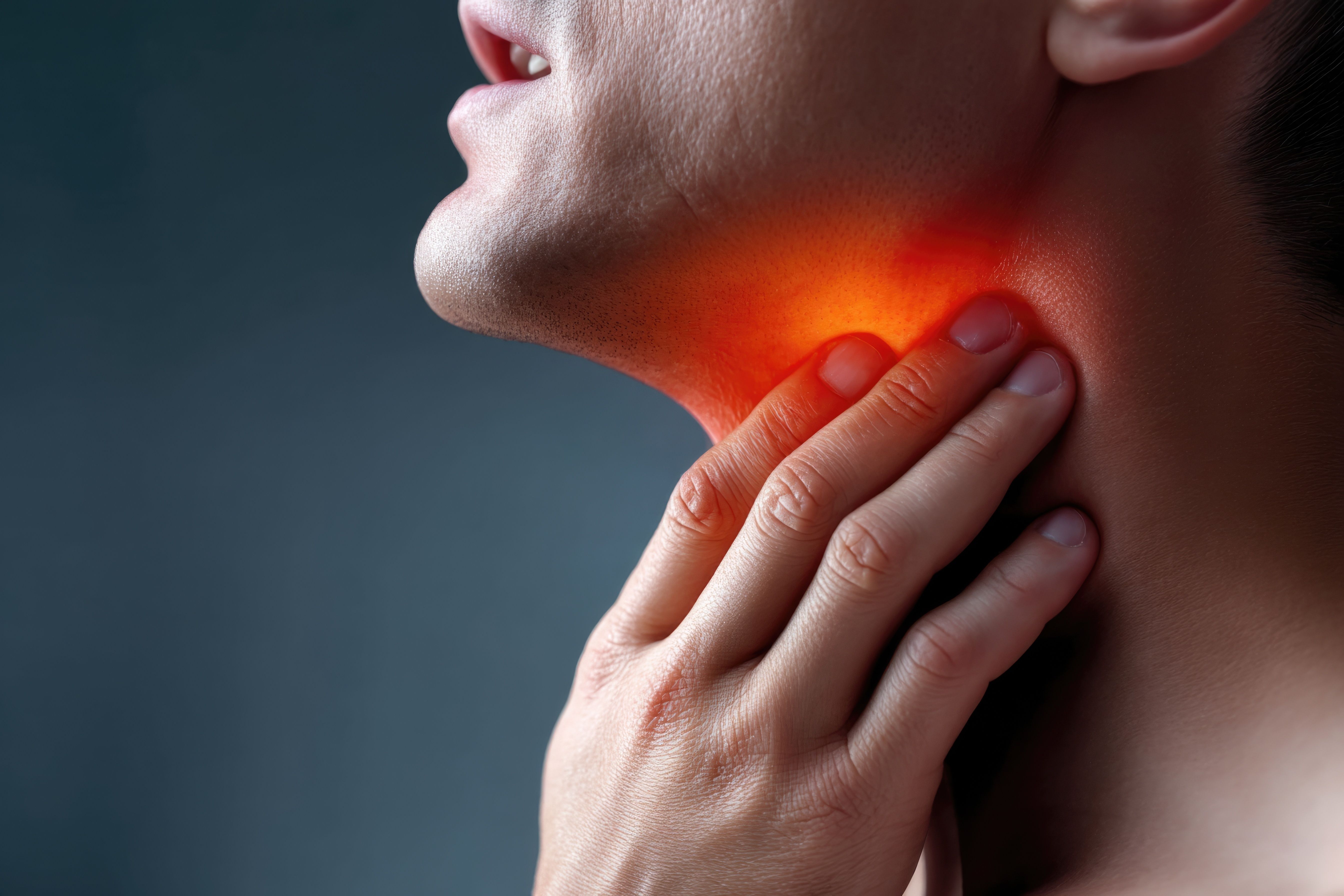
Thyroid hormones do not reach their normal levels in patients with underactive thyroid or hypothyroidism. Low thyroid activity causes fatigue and makes weight loss harder while slowing down the metabolism. In this regard, managing the right meal plan helps to control symptoms and promote good health by supporting thyroid hormone output.
Keep reading to find out which foods to eat and which to avoid when suffering from hypothyroidism.
Nourishing the Thyroid Gland During Hypothyroidism
For thyroid hormone production, iodine is absolutely crucial. The thyroid gland requires iodine to secrete its two essential hormones: Thyroxine (T4) and Triiodothyronine (T3). Thus, for individuals suffering from hypothyroidism, having a nourishing diet is a must. Here’s why:
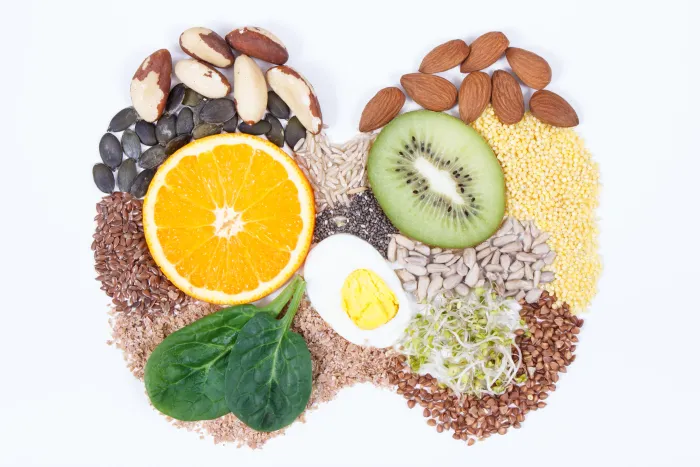
Having a diet rich in iodine, zinc, and selenium helps maintain healthy thyroid functioning.
The thyroid gland gets enough iodine for its normal functioning and is able to produce the required levels of T4 and T3.
Metabolism stabilises, resulting in overall better body functioning.
Foods to Include in Hypothyroidism
People with hypothyroidism benefit from sticking to specific food limits and preventing their thyroid condition from getting worse.
Seafood and Iodine-rich Options
The diet must include foods high in iodine because these items help supply an individual’s daily iodine needs:
Seaweed (kelp, nori, wakame)
Fish (cod, tuna, shrimp)
Dairy products (milk, cheese, yoghurt)
Iodised salt
Selenium-Rich Foods
Selenium protects the thyroid gland from damage and promotes thyroid hormone production. These foods supply most of the Selenium nutrients in one’s diet:
Seafood: Tuna, shrimp, and sardines.
Meat: Beef, chicken, and turkey.
Eggs: A versatile source of selenium.
Dairy Products: Selenium-rich nutrients in Dairy Food Groups.
Whole Grains: Brown rice, oatmeal, and whole wheat bread.
Nuts and Seeds
Below are a few nuts and seeds to include in hypothyroidism patients:
Brazil Nuts: One of the highest natural sources of selenium.
Sunflower Seeds: High in selenium and vitamin E.
Chia Seeds: A great source of selenium, fibre, protein, and omega-3 fatty acids.
Flaxseeds: The dietary supplement of flaxseeds brings omega-3 fatty acids and lignans along with selenium benefits.
Pumpkin Seeds: Contain selenium along with magnesium, zinc, and healthy fats.
Foods to Avoid in Hypothyroidism
Patients with hypothyroidism should steer clear of specific food types to help prevent further thyroid problems.
Goitrogenic Foods and Their Impact
Foods containing goitrogens interfere with thyroid hormone production. Such foods include:
Cabbage
Russian kale
Bok choy
Brussels sprouts
Soy
Pearl millet
Preparing food through cooking removes goitrogens, making it safe to eat. Also, it is better to avoid drinking raw cruciferous vegetable juice frequently.
Limiting Processed Foods
Patients should limit processed food types such as:
Snack items like potato chips
Sugary drinks and sodas
Sweetened breakfast cereals
Flavoured granola bars containing preservatives
Role of Vitamins and Minerals in Hypothyroidism
Below are some of the most beneficial vitamins and minerals for hypothyroidism:
Zinc
Zinc plays an essential role in supporting thyroid hormone processes and maintaining their operational capacity. In 2021, research showed that the levels of thyroid hormones in patients with hypothyroidism were increased when they took zinc, vitamin A and selenium supplements together.
Vitamin D
Inadequate vitamin D levels elevate the probability of developing autoimmune thyroid conditions that result in hypothyroidism. The limited food sources of vitamin D, along with minimal sun exposure, can aggravate such problems.
Thus, increasing vitamin D intake via supplements and increasing sun exposure can be ideal for hypothyroidism patients.
Vitamin B12
People suffering from hypothyroidism frequently develop vitamin B12 deficiency. Medical professionals usually advise patients to consume B vitamin-rich foods or start taking B12 supplements for low Vitamin B levels.
Magnesium
Insufficient magnesium intake might contribute to both thyroid issues and hypothyroidism. Getting plenty of magnesium from foods and supplements can help reduce hypothyroid symptoms.
Iron
Low levels of iron or iron deficiency anaemia negatively affect thyroid function. People often need to take additional iron supplements to maintain proper iron levels.
Importance of a Balanced Diet for Reducing Hypothyroidism
People with hypothyroidism should follow a nutritious diet that reduces their chances of heart disease and obesity as well as supports overall health improvement. High-fiber foods enable the relief of constipation, which frequently occurs as a symptom.
Consider adding these foods:
Fruits: Berries, apples, peaches, pears, citrus fruits, and bananas.
Vegetables: Greens, zucchini, asparagus, carrots, and peppers.
Starchy Vegetables: Sweet potatoes and butternut squash.
Lean Protein: Fish, turkey and chicken.
Healthy Fats: Olive oil and avocados.
Whole Grains: Brown rice and quinoa.
Nuts and Seeds: Almonds and pumpkin seeds.
Beans and Lentils: Chickpeas and kidney beans.
Dairy Alternatives: Coconut or almond milk.
Flavor Enhancers: Spices and herbs.
Beverages: Water and unsweetened tea.
One might choose to limit gluten or dairy. Consulting a registered dietitian can help create a balanced, nutrient-rich diet that suits one’s needs.
Meal Planning for Hypothyroidism
Following is a systematised 7-day diet plan that demonstrates nutritious eating practices for people with hypothyroidism:
| Day | Breakfast | Lunch | Dinner | Snacks |
| Monday | Scrambled eggs with spinach and whole-grain toast | Grilled salmon with quinoa and steamed vegetables | Chicken stir-fry with brown rice and sesame seeds | Brazil nuts, yoghurt, or a smoothie with berries and chia seeds |
| Tuesday | Oatmeal with flaxseeds, walnuts, and berries | Tuna salad with mixed greens and olive oil dressing | Baked cod with sweet potatoes and sautéed kale | Handful of pumpkin seeds or an apple with almond butter |
| Wednesday | Greek yoghurt with chia seeds and honey | Chicken and avocado wrap with whole wheat tortilla | Stir-fried shrimp with brown rice and steamed broccoli | Sunflower seeds or cottage cheese with flaxseeds |
| Thursday | Scrambled tofu with turmeric and whole-grain toast | Grilled chicken with roasted vegetables and quinoa | Lentil soup with a side of whole-wheat bread | Almonds and an apple |
| Friday | Smoothie with banana, spinach, and almond milk | Baked salmon with sweet potato and sautéed spinach | Quinoa and vegetable stir-fry with tofu | Handful of Brazil nuts or a boiled egg |
| Saturday | Omelette with mushrooms and whole-grain toast | Brown rice with grilled chicken and mixed vegetables | Grilled shrimp with roasted Brussels sprouts | Yogurt with flaxseeds or walnuts |
| Sunday | Chia pudding with almonds and berries | Grilled turkey with quinoa salad | Baked fish with roasted carrots and a side of lentils | Mixed nuts and dark chocolate |
Lifestyle Practices to Manage Hypothyroidism
Prolonged stress affects thyroid functions, leading to heightened hypothyroidism symptoms. To reduce stress, patients must:
Take part in regular physical exercise, use relaxation practices, eat a balanced diet, get sufficient sleep and maintain healthy social relationships.
They must also implement exercise programs which include cardiovascular training in combination with weight training and flexibility exercises.
Regular physical exercise helps control depression symptoms along with weight gain and fatigue through better metabolic functioning and mood improvement.
Monitoring Progress and Making Adjustments
Regular blood testing of thyroid hormone levels, together with awareness of fatigue and weight gain symptoms, will help one manage hypothyroidism successfully. Additionally, individuals must:
Perform regular exercise and yoga practice to minimise stress.
Maintain a diet rich in iodine and selenium.
Also, regular check-ups with an endocrinologist and a primary care physician, together with healthcare professionals, will help create personalised treatments by adjusting medications as the individual’s condition changes.
Conclusion
Hypothyroidism is a disease that can be reduced by proper nutrition, stress management, and physical exercise to remain healthy. Consistency is key. A balanced diet, making lifestyle changes, and having regular health check-ups help keep one’s thyroid function and health at optimum levels.
Consult Top Dietician

Ms. Sushma Jaiswal
Dietician
42 Years • M.Sc.(Food & Nutrition)
Bengaluru
Swasthya Nutrition, Bengaluru

Ms Malabika Datta
Dietician
19 Years • Bsc (Clinical Nutrition & Dietetics), Msc (Dietetics & Food Service Management)
Kolkata
Malabika’s Diet Clinic, Kolkata

Ms. Neelanjana J
Dietician
5 Years • Bsc., Msc. Nutrition and Dietetics specialised general weight management, PCOS/PCOD weight loss and Diabetes management. A clinical dietitian with 4+ year experience specializing in evidence-based, result-oriented nutrition therapy. I have extensive experience in weight loss, thyroid management, PCOD/PCOS, weight gain, and diabetes & prediabetes care. My approach is personalized, practical, and sustainable—focusing on helping individuals achieve long-term lifestyle change rather than quick fixes. I work closely with clients to understand their medical history, lifestyle, and goals, and then design customized diet plans that support hormonal balance, metabolic health, and overall wellbeing. My goal is to make nutrition simple, realistic, and effective—so you see measurable results and feel your healthiest self.Auther in Health benefits of jackfruit (Artocarpus heterophyllus Lam.) seeds: A review (2023) The Pharma Innovation Journal Co- Auther in Malnutrition in Women: A review (2023) The Pharma Innovation Journal. Highfield Level 3 in HACCP. Highfield Level 4 International Award in Food Safety Managment
Bengaluru
Apollo Clinic, JP nagar, Bengaluru

Dr Darshana R
General Physician/ Internal Medicine Specialist
15 Years • MBBS, MD, DNB (Internal Medicine), Diploma in Allergy, Asthma and Immunology , Fellowship in Diabetes
Bengaluru
Apollo Clinic, JP nagar, Bengaluru

(125+ Patients)

Ms Chetu Singhi
Dietician
20 Years • MSC Dietetics & Nutrition
Kolkata
RB Diagnostic - Dietician Diet2fit Chetu Singhi, Kolkata
Consult Top Dietician
Ms. Sushma Jaiswal
Dietician
42 Years • M.Sc.(Food & Nutrition)
Bengaluru
Swasthya Nutrition, Bengaluru
Ms Malabika Datta
Dietician
19 Years • Bsc (Clinical Nutrition & Dietetics), Msc (Dietetics & Food Service Management)
Kolkata
Malabika’s Diet Clinic, Kolkata
Ms. Neelanjana J
Dietician
5 Years • Bsc., Msc. Nutrition and Dietetics specialised general weight management, PCOS/PCOD weight loss and Diabetes management. A clinical dietitian with 4+ year experience specializing in evidence-based, result-oriented nutrition therapy. I have extensive experience in weight loss, thyroid management, PCOD/PCOS, weight gain, and diabetes & prediabetes care. My approach is personalized, practical, and sustainable—focusing on helping individuals achieve long-term lifestyle change rather than quick fixes. I work closely with clients to understand their medical history, lifestyle, and goals, and then design customized diet plans that support hormonal balance, metabolic health, and overall wellbeing. My goal is to make nutrition simple, realistic, and effective—so you see measurable results and feel your healthiest self.Auther in Health benefits of jackfruit (Artocarpus heterophyllus Lam.) seeds: A review (2023) The Pharma Innovation Journal Co- Auther in Malnutrition in Women: A review (2023) The Pharma Innovation Journal. Highfield Level 3 in HACCP. Highfield Level 4 International Award in Food Safety Managment
Bengaluru
Apollo Clinic, JP nagar, Bengaluru
Dr Darshana R
General Physician/ Internal Medicine Specialist
15 Years • MBBS, MD, DNB (Internal Medicine), Diploma in Allergy, Asthma and Immunology , Fellowship in Diabetes
Bengaluru
Apollo Clinic, JP nagar, Bengaluru
(125+ Patients)
Ms Chetu Singhi
Dietician
20 Years • MSC Dietetics & Nutrition
Kolkata
RB Diagnostic - Dietician Diet2fit Chetu Singhi, Kolkata
Consult Top Dietician
Ms. Sushma Jaiswal
Dietician
42 Years • M.Sc.(Food & Nutrition)
Bengaluru
Swasthya Nutrition, Bengaluru
Ms Malabika Datta
Dietician
19 Years • Bsc (Clinical Nutrition & Dietetics), Msc (Dietetics & Food Service Management)
Kolkata
Malabika’s Diet Clinic, Kolkata
Ms. Neelanjana J
Dietician
5 Years • Bsc., Msc. Nutrition and Dietetics specialised general weight management, PCOS/PCOD weight loss and Diabetes management. A clinical dietitian with 4+ year experience specializing in evidence-based, result-oriented nutrition therapy. I have extensive experience in weight loss, thyroid management, PCOD/PCOS, weight gain, and diabetes & prediabetes care. My approach is personalized, practical, and sustainable—focusing on helping individuals achieve long-term lifestyle change rather than quick fixes. I work closely with clients to understand their medical history, lifestyle, and goals, and then design customized diet plans that support hormonal balance, metabolic health, and overall wellbeing. My goal is to make nutrition simple, realistic, and effective—so you see measurable results and feel your healthiest self.Auther in Health benefits of jackfruit (Artocarpus heterophyllus Lam.) seeds: A review (2023) The Pharma Innovation Journal Co- Auther in Malnutrition in Women: A review (2023) The Pharma Innovation Journal. Highfield Level 3 in HACCP. Highfield Level 4 International Award in Food Safety Managment
Bengaluru
Apollo Clinic, JP nagar, Bengaluru
Dr Darshana R
General Physician/ Internal Medicine Specialist
15 Years • MBBS, MD, DNB (Internal Medicine), Diploma in Allergy, Asthma and Immunology , Fellowship in Diabetes
Bengaluru
Apollo Clinic, JP nagar, Bengaluru
(125+ Patients)
Ms Chetu Singhi
Dietician
20 Years • MSC Dietetics & Nutrition
Kolkata
RB Diagnostic - Dietician Diet2fit Chetu Singhi, Kolkata