


Stopping Mounjaro: What To Expect And Next Steps
Learn what to expect after stopping Mounjaro, including appetite changes, blood sugar effects and the risk of weight regain. Understand safe next steps and lifestyle strategies to support long-term health after discontinuation.


Introduction
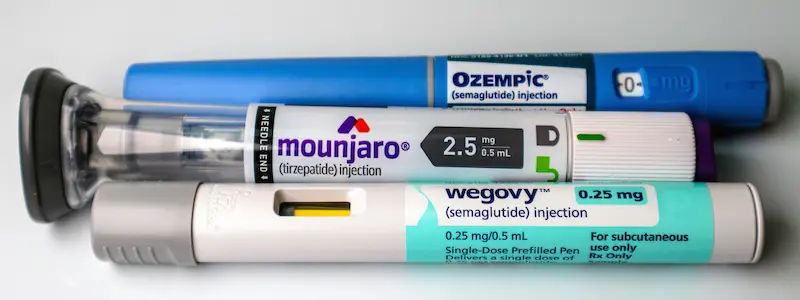
Taking the first step towards better health with a medicine such as Mounjaro tirzepatide is a major decision. Choosing to stop the medication can feel just as significant. Whether you have reached your health goals, are experiencing side effects, or are affected by cost or insurance changes, stopping Mounjaro is a process that needs planning and understanding.
Mounjaro has been a valuable treatment for many people managing Type 2 diabetes and weight-related concerns. It works by mimicking hormones that regulate blood sugar levels and appetite. When that support is removed, the body needs time to adjust. Many people worry about weight regain after Mounjaro or how their blood sugar levels may respond.
This guide explains what typically happens when you stop Mounjaro, what to expect in the weeks that follow, and practical next steps to help protect your health without the medication.
What Will Happen If I Stop Taking Mounjaro?
Mounjaro remains in the body for around 30 days after the final injection, but its active effects usually begin to reduce much earlier, often within one to two weeks. Because the medicine mimics the GLP-1 and GIP hormones that slow digestion and signal fullness, stopping it leads to noticeable physiological changes.
The following changes are commonly reported in the days and weeks after stopping treatment.
1. The Return Of Food Noise
One of the most noticeable effects of tirzepatide is the reduction in constant thoughts about food, often described as food noise. When you stop taking the medicine, these hormonal signals are no longer supported. Appetite may increase, and cravings for sweet, salty or high-calorie foods may return to pre-treatment levels.
2. Changes In Blood Sugar Levels
For people using Mounjaro to manage Type 2 diabetes, stopping treatment can result in rising blood glucose levels. Mounjaro helps the pancreas release insulin when blood sugar is high. Without this effect, the body may struggle to control glucose spikes after meals. Regular blood sugar monitoring during this transition is essential.
3. Faster Digestion And Hunger
Mounjaro slows gastric emptying, which helps you feel full for longer after eating. Once you stop, digestion gradually returns to its usual pace. This means hunger may return sooner after meals, which can feel surprising if you have become used to smaller portions.
Are There Chances Of Weight Increase After Stopping The Medicine?
This is one of the most common and understandable concerns. Clinical evidence shows that weight regain after Mounjaro is possible, particularly if lifestyle changes are not firmly established.
1. Understanding The Rebound Effect
Medical professionals often describe obesity as a chronic condition, similar to high blood pressure. When treatment stops, the condition can return. Research published in JAMA through the SURMOUNT-4 trial showed that people who discontinued tirzepatide after initial weight loss regained a significant proportion of the weight they had lost over the following year.
Participants who stopped the medicine regained around 14% of their body weight, while those who continued treatment maintained or continued to lose weight.
2. Why Can Weight Regain Happen?
Weight regain is driven by biology rather than lack of effort. After weight loss, resting metabolism often slows and hunger hormones such as ghrelin increase. Mounjaro helps counter these changes. When the medicine is stopped, the body may attempt to return to its previous weight set point.
Regain is not inevitable. People who maintain high-protein diets, engage in regular strength training, and stay in close contact with their healthcare provider have a better chance of sustaining their results.
Consult Top Doctors for Personalised Advice
How Long Is It Safe To Take Mounjaro?
Mounjaro is intended for long-term management of chronic conditions rather than short-term use. There is no fixed maximum duration for treatment as long as the medicine is effective and well-tolerated.
Based on current medical guidance:
- Long-term use is considered standard practice
- The medicine is viewed as part of ongoing management, similar to treatments for cholesterol or blood pressure
- Clinical trials and ongoing monitoring show that Mounjaro remains effective and safe when used appropriately over extended periods
Regular medical reviews are important. Doctors may monitor kidney function, pancreatic markers and thyroid health to ensure ongoing safety.
When Should I Stop Taking Mounjaro?
Although Mounjaro is designed for long-term use, there are valid reasons to stop treatment. Any decision should be made in consultation with a healthcare professional.
1. Severe Or Persistent Side Effects
Mild nausea is common, particularly during dose increases. However, severe abdominal pain, symptoms of pancreatitis, gallbladder problems or allergic reactions require immediate medical attention and stopping the medicine.
2. Pregnancy Or Planning A Pregnancy
Mounjaro is not recommended during pregnancy. Animal studies suggest potential harm to the developing baby. Doctors usually advise stopping the medicine at least two months before trying to conceive so it can fully clear from the body.
3. Maintenance Without Medication
Some people, in agreement with their doctor, choose to stop Mounjaro after reaching a stable weight and building strong dietary and exercise habits. This is often approached as a trial period, with close monitoring and the option to restart treatment if needed.
4. Cost Or Access Issues
Insurance changes or medication shortages can make continued use difficult. In these situations, doctors may suggest alternative treatments to support blood sugar or weight management.
Actionable Steps To Reduce Weight Regain
If you and your doctor decide that stopping Mounjaro is the right step, having a clear plan is essential.
- Prioritise protein at every meal to support fullness and muscle mass
- Include resistance or strength training to help maintain metabolic rate
- Increase fibre intake through vegetables, fruits and whole grains to support satiety
- Monitor portion sizes, as appetite cues may become stronger
- Maintain good sleep habits and hydration, as poor sleep can increase hunger
Conclusion
Stopping Mounjaro is a meaningful transition that deserves careful planning. Changes in appetite, digestion and blood sugar are common as the body adjusts to life without medication support. While weight regain after Mounjaro is possible, it is not inevitable when healthy habits and medical guidance remain in place.
The most important step is open communication with your healthcare provider. Together, you can decide when and how to stop treatment safely and identify strategies that support your long-term health goals.
Consult Top Diabetologists
Consult Top Doctors for Personalised Advice

Dr. Dhanraj K
General Physician/ Internal Medicine Specialist
25 Years • MBBS, MD Internal Medicine - Osmania Medical College, Hyderabad
Hyderabad
Apollo Hospitals Jubilee Hills, Hyderabad

(400+ Patients)

Dr. Vivek D
General Physician
4 Years • MBBS
Bengaluru
PRESTIGE SHANTHINIKETAN - SOCIETY CLINIC, Bengaluru

Dr Syed Mateen Pasha
General Physician
2 Years • MBBS
Bengaluru
PRESTIGE SHANTHINIKETAN - SOCIETY CLINIC, Bengaluru

Dr. Zulkarnain
General Physician
2 Years • MBBS, PGDM, FFM
Bengaluru
PRESTIGE SHANTHINIKETAN - SOCIETY CLINIC, Bengaluru

Dr Bhargav Vuppumalla
General Physician/ Internal Medicine Specialist
5 Years • MBBS MD GENERAL MEDICINE
Bengaluru
Apollo Medical Center, Marathahalli, Bengaluru
Consult Top Diabetologists
Dr. Dhanraj K
General Physician/ Internal Medicine Specialist
25 Years • MBBS, MD Internal Medicine - Osmania Medical College, Hyderabad
Hyderabad
Apollo Hospitals Jubilee Hills, Hyderabad
(400+ Patients)
Dr. Vivek D
General Physician
4 Years • MBBS
Bengaluru
PRESTIGE SHANTHINIKETAN - SOCIETY CLINIC, Bengaluru
Dr Syed Mateen Pasha
General Physician
2 Years • MBBS
Bengaluru
PRESTIGE SHANTHINIKETAN - SOCIETY CLINIC, Bengaluru
Dr. Zulkarnain
General Physician
2 Years • MBBS, PGDM, FFM
Bengaluru
PRESTIGE SHANTHINIKETAN - SOCIETY CLINIC, Bengaluru
Dr Bhargav Vuppumalla
General Physician/ Internal Medicine Specialist
5 Years • MBBS MD GENERAL MEDICINE
Bengaluru
Apollo Medical Center, Marathahalli, Bengaluru
More articles from Type 2 Diabetes Treatment


Frequently Asked Questions
Can I stop Mounjaro suddenly, or do I need to taper?
Mounjaro does not cause physical withdrawal in the traditional sense. However, stopping suddenly may lead to a rapid return of appetite and blood sugar changes. Many doctors recommend gradually reducing the dose to help the body adjust.
Will I experience withdrawal symptoms?
You are unlikely to experience classic withdrawal symptoms. Instead, you may notice a return of hunger, cravings and changes in digestion as the effects of the medicine wear off.
Can I switch to another medicine after stopping Mounjaro?
Yes. If Mounjaro is stopped due to side effects, cost or access issues, doctors may recommend another injectable or oral medicine for diabetes or weight management. This should always be done under medical supervision.
How soon does appetite return after stopping?
Because tirzepatide levels fall significantly within a week, many people notice increased appetite and food noise within one to two weeks after the last dose.
Can I restart Mounjaro if I regain weight?
In many cases, yes. Restarting usually involves beginning again at a low dose and gradually increasing to reduce the risk of side effects. Your doctor can guide this process safely.