


Typhoid Vaccine: Types, Timing, and Possible Side Effects
Learn about typhoid vaccine types, timing, boosters, and side effects. A clear vaccination guide for travellers and families based on trusted medical sources.

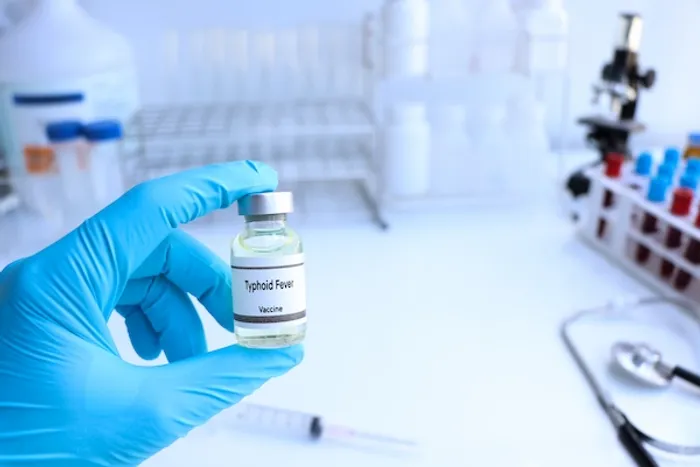
Introduction
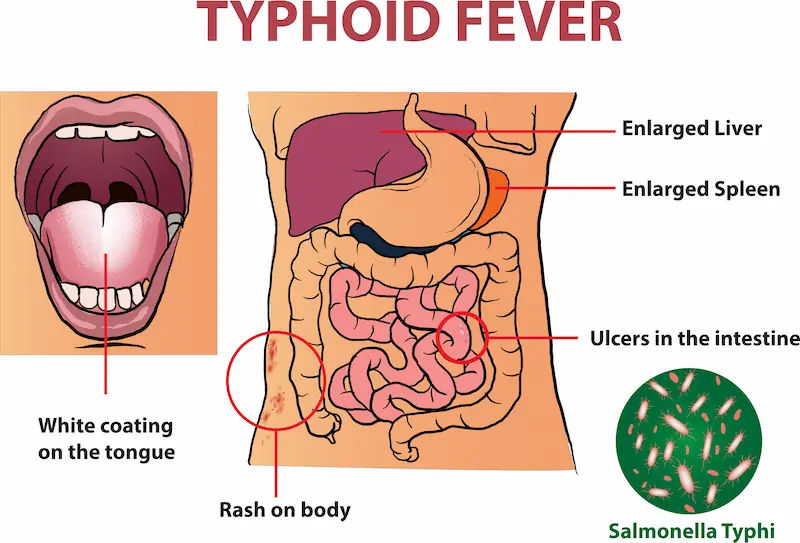
Typhoid fever is a serious illness caused by Salmonella Typhi bacteria, usually spread through contaminated food and water. It can be life-threatening without prompt treatment and is more common in parts of South Asia, Africa, and other regions with limited access to safe water and sanitation. The typhoid vaccine can significantly lower your risk, especially if you travel to or live in areas where typhoid is common. This vaccination guide explains the available vaccine types, when to get them, how well they work, and possible side effects—so you can make confident, informed decisions before your next trip or for your family’s routine protection.
Typhoid Vaccine Types and How They Work?
There are three main categories of vaccines that protect against typhoid fever. They do not treat active illness, but they help your immune system recognise Salmonella Typhi and respond quickly if you are exposed.
1) Injectable Vi capsular polysaccharide vaccine (ViCPS)
- What it is: An inactivated (non-live) vaccine made from a purified part of the bacteria’s outer capsule (Vi antigen).
- Who can get it: Approved for ages 2 years and older in many countries.
- Dosing: One injection.
- Timing before exposure: Get it at least two weeks before potential exposure (for example, at least two weeks before your trip).
- Booster: Recommended every two years if you remain at risk (for frequent or ongoing travel to high-risk areas or continued exposure through work).
- Availability: Commonly used in the United States and many other countries.
2) Oral live-attenuated vaccine (Ty21a)
- What it is: A live but weakened form of the bacteria in capsule form that stimulates immune protection without causing disease in healthy people.
- Who can get it: Approved for ages 6 years and older in many countries.
- Dosing: A series of four capsules taken every other day (for example, days 0, 2, 4, and 6).
- Timing before exposure: Finish the four-dose series at least one week before potential exposure.
- Booster: Recommended every five years if ongoing risk continues.
How to take it:
- Keep capsules refrigerated until use.
- Swallow each capsule whole with cool or lukewarm liquid (not hot) about one hour before a meal.
- Do not crush or chew the capsules.
Important considerations:
- Antibiotics can interfere with this vaccine. Your clinician may advise avoiding antibiotics for a short period before the first dose and after the last dose.
- People with weakened immune systems should not take live vaccines. Discuss your health conditions and medications with your clinician.
3) Typhoid conjugate vaccines (TCV)
- What they are: Inactivated vaccines in which the Vi antigen is linked to a carrier protein (a “conjugate”), which strengthens and prolongs immune response—especially in young children.
- Who can get them: Many countries recommend a single dose for children starting as young as six months of age, with catch-up campaigns often targeting children up to 15 years old in areas where typhoid is common.
- Effectiveness and duration: Clinical trials show strong protection in children and adolescents, with sustained effectiveness for multiple years.
- Booster: The need for routine boosters after a single dose is still being studied; national programmes vary.
- Availability: Widely used in typhoid-endemic countries. As of 2024, conjugate vaccines are not yet licensed in the United States for travellers, but they are part of routine immunisation in several other countries following World Health Organization (WHO) guidance.
Typhoid Vaccination Guide: Who Needs It and When?
You might benefit from vaccination if you fit any of these categories:
- Travellers to areas where typhoid is common: Risk is highest in parts of South Asia (such as India, Pakistan, Bangladesh), with ongoing risk in many areas of sub-Saharan Africa, parts of Southeast Asia, and some regions of the Middle East, Oceania, and Latin America. Risk can vary within countries, and it’s typically higher for people visiting friends and relatives and for longer stays.
- People with ongoing exposure: Laboratory workers who handle Salmonella Typhi or individuals with continued occupational risk.
- Communities in endemic areas: Many countries include the typhoid conjugate vaccine in routine childhood schedules and catch-up campaigns to reduce community spread.
When to get vaccinated?
- Plan ahead: Ideally, schedule your appointment three to four weeks before departure. This gives time to complete the oral capsule schedule or to receive the injection and build protection.
- Specific timing:
- Injectable ViCPS: At least two weeks before exposure.
- Oral Ty21A. Complete all four capsules at least one week before exposure.
- If you’re uncertain which option is right for you, a travel medicine clinician can help you choose based on age, health conditions, timing, itinerary, and availability.
Consult Top Specialists
Who should not get vaccinated or should delay?
- Allergies: Anyone with a severe allergic reaction to a previous dose or to a vaccine component should not receive that vaccine.
- Age limits: ViCPS is for ages 2+; Ty21a is for ages 6+; TCVs can be used from as early as six months in many countries (availability varies).
- Current illness: If you have a moderate or severe illness (with or without fever), it may be best to wait until you recover.
Immune system concerns:
- Ty21a (live oral) is not recommended for people with weakened immune systems.
- ViCPS or TCVs (non-live) may be options; discuss with your clinician.
Pregnancy and breastfeeding:
- Live oral Ty21a is generally not recommended during pregnancy.
- Inactivated options (such as ViCPS) may be considered if protection is clearly needed; talk with your healthcare professional.
Antibiotics and other interactions:
- Antibiotics can reduce the effectiveness of the oral Ty21a vaccine. Your clinician will advise how long to avoid antibiotics before the first dose and after the last dose.
- Ask about timing if you’re taking malaria prophylaxis or other medications, to avoid interactions that affect effectiveness.
How Effective Is the Vaccine?
Let’s see how effective the vaccine really is:
Protection levels:
- Injectable ViCPS and oral Ty21a provide moderate protection. Studies show meaningful risk reduction, but they are not 100% protective.
- Conjugate vaccines (TCV) have shown higher and longer-lasting protection in children in clinical trials and real-world use.
Not a cure and not total immunity:
- No vaccine offers complete protection, and none protects against paratyphoid fever (a related illness caused by Salmonella Paratyphi).
- Continue careful food and water precautions even after vaccination.
Public health impact:
- In countries with routine TCV programmes, hospitalisations and community transmission have decreased, supporting WHO recommendations for their use in endemic settings.
Possible Side Effects and Safety
Most people tolerate these vaccines well. Side effects, if they occur, are usually mild and last one to three days.
Common side effects
Injectable ViCPS:
- Soreness, redness, or swelling at the injection site
- Low-grade fever, headache, fatigue
Oral Ty21A.
- Stomach discomfort, nausea, vomiting
- Headache, low-grade fever
Less common or rare side effects
- Allergic reactions are uncommon but can include hives, swelling, wheezing, or difficulty breathing. Seek urgent medical care if you develop signs of a severe allergic reaction (usually within minutes to hours after vaccination).
Key safety notes
- The vaccines cannot give you typhoid fever.
- Live oral Ty21a should not be used in people with weakened immune systems.
If you’re pregnant, planning pregnancy, or breastfeeding, discuss the best option with your - clinician.
- If you develop a fever or feel unwell after vaccination, rest, hydrate, and use over-the-counter fever reducers if needed (unless your clinician has advised otherwise). Contact your healthcare provider if symptoms are severe or persistent.
What to Expect at Your Appointment?
- Risk review: Your clinician will ask about your itinerary, timing, and type of travel (urban vs rural, visiting friends and relatives, duration).
- Medical screening: Share your allergies, chronic conditions, immune status, and all medications (including antibiotics and malaria pills).
- Choosing a vaccine:
- If you need quick protection and prefer a single shot, ViCPS may fit.
- If you prefer to avoid injections and can follow the four-dose schedule, Ty21a may fit (if eligible).
- If you live in a country where TCV is part of the routine schedule, your child may receive TCV per national guidelines.
- Scheduling and documentation: You’ll receive a vaccination record and guidance on boosters if you remain at risk.
Extra Protection: Food and Water Safety After Vaccination
Because vaccines are not 100% protective and antibiotic-resistant typhoid exists in many regions, practice careful food and water hygiene:
- Drink bottled, boiled, or properly treated water; avoid ice if purity is uncertain.
- Eat food that is thoroughly cooked and served hot.
- Peel fruits and vegetables yourself; avoid raw produce you did not prepare.
- Skip unpasteurised dairy.
- Be cautious with street food unless you’re confident in cleanliness.
- Wash hands often with soap and water; carry alcohol-based hand sanitiser.
Travelling With Children and Families
- For families in countries using TCVs, a single dose in infancy or early childhood can provide sustained protection; national schedules vary.
- For travelling children from countries where only ViCPS/Ty21a are available:
- Children aged 2–5 may receive the injectable vaccine.
- Children aged 6 and older may be eligible for the oral vaccine.
- Always consult a paediatrician or travel clinic to choose the best option and timing for your child.
Can I Get Other Vaccines at the Same Visit?
Yes, travel clinics often administer multiple vaccines during the same visit (for example, hepatitis A, hepatitis B, or routine boosters). Your clinician will help plan the timing, especially if you choose the oral Ty21a series and are also taking other medications.
Practical Tips to Avoid Delays
- Book early: Appointments at travel clinics can fill up quickly during peak travel seasons.
- Bring your medication list: Include prescription drugs, over-the-counter products, and supplements.
- Ask about interactions: Especially antibiotics and malaria prophylaxis when considering the oral vaccine.
- Keep capsules cold: If you use the oral vaccine, store capsules in the refrigerator and take them exactly as directed.
Consult Top Specialists
Consult Top Specialists

Dr. Ajay K Sinha
General Physician/ Internal Medicine Specialist
30 Years • MD, Internal Medicine
Delhi
Apollo Hospitals Indraprastha, Delhi

(225+ Patients)

Dr. Anand Ravi
General Physician
2 Years • MBBS, FEM
Bengaluru
PRESTIGE SHANTHINIKETAN - SOCIETY CLINIC, Bengaluru

Dr. Vivek D
General Physician
4 Years • MBBS
Bengaluru
PRESTIGE SHANTHINIKETAN - SOCIETY CLINIC, Bengaluru

Dr Syed Mateen Pasha
General Physician
2 Years • MBBS
Bengaluru
PRESTIGE SHANTHINIKETAN - SOCIETY CLINIC, Bengaluru

Dr. Harshendra Jaiswal
General Physician/ Internal Medicine Specialist
12 Years • MBBS , MD (General medicine)
Kolkata
108 DHANA DHANVANTARI Clinic, Kolkata
(25+ Patients)
Consult Top Specialists
Dr. Ajay K Sinha
General Physician/ Internal Medicine Specialist
30 Years • MD, Internal Medicine
Delhi
Apollo Hospitals Indraprastha, Delhi
(225+ Patients)
Dr. Anand Ravi
General Physician
2 Years • MBBS, FEM
Bengaluru
PRESTIGE SHANTHINIKETAN - SOCIETY CLINIC, Bengaluru
Dr. Vivek D
General Physician
4 Years • MBBS
Bengaluru
PRESTIGE SHANTHINIKETAN - SOCIETY CLINIC, Bengaluru
Dr Syed Mateen Pasha
General Physician
2 Years • MBBS
Bengaluru
PRESTIGE SHANTHINIKETAN - SOCIETY CLINIC, Bengaluru
Dr. Harshendra Jaiswal
General Physician/ Internal Medicine Specialist
12 Years • MBBS , MD (General medicine)
Kolkata
108 DHANA DHANVANTARI Clinic, Kolkata
(25+ Patients)
More articles from typhoid



Frequently Asked Questions
Do I need the vaccine for a short trip?
If you’re travelling to an area with known typhoid risk, vaccination is usually recommended—even for short trips—because exposure can happen with a single meal or drink. Risk is higher if you visit friends and relatives, stay in smaller towns or rural areas, or have adventurous eating habits.
Can I get vaccinated if I’m already taking antibiotics?
Antibiotics can interfere with the effectiveness of the oral Ty21a vaccine. Your clinician may advise waiting a few days after finishing antibiotics before starting Ty21a and avoiding antibiotics for a short period after the last dose. The injectable vaccine is not affected the same way. Always ask your clinician for personalised guidance.
How long does protection last?
- - Injectable ViCPS: Booster recommended every 2 years if you remain at risk.
- - Oral Ty21a: Booster recommended every 5 years if risk continues.
- - Conjugate vaccines (TCV): A single dose offers durable protection for several years; routine booster need is still being studied and policies vary by country.
Can pregnant people be vaccinated?
Live oral Ty21a is generally avoided in pregnancy. The injectable vaccine (ViCPS), which is inactivated, may be considered when protection is clearly needed (for example, unavoidable travel to a high‑risk area). Discuss the risks and benefits with your obstetrician or travel medicine clinician.
Does the vaccine cover paratyphoid fever?
No. Current vaccines target Salmonella Typhi and do not protect against paratyphoid (caused by Salmonella Paratyphi). Food and water precautions remain essential.