Signs Of Vitamin C Deficiency
Discover the common signs of vitamin C deficiency, its impact on overall health, and why maintaining adequate levels is essential for your wellbeing.

Written by Dr. Shaik Abdul Kalam
Reviewed by Dr. Rohinipriyanka Pondugula MBBS
Last updated on 13th Jan, 2026
Introduction
Feeling unusually tired, noticing more bruises, or battling constant colds? While these might seem like minor nuisances of modern life, they could be your body's way of signaling a vitamin deficiency, specifically a lack of the crucial nutrient Vitamin C. Far more than just an immune-booster, Vitamin C is a powerhouse essential for everything from creating collagen to fighting free radicals. A significant deficiency can lead to scurvy, a condition often thought of as historical but still relevant today. This article will guide you through the 10 most common signs of Vitamin C deficiency, from the subtle early warnings to the more pronounced symptoms, helping you understand what to look for and how to restore your body's vital levels for optimal health.
What is Vitamin C and Why Do We Need It?
Vitamin C, also known as ascorbic acid, is a water-soluble vitamin that acts as a key antioxidant and cofactor in numerous biological processes. Unlike most animals, humans cannot synthesize Vitamin C internally, making it an essential dietary component we must consume regularly. Its roles are multifaceted, but two are particularly critical.
The Role of Collagen Synthesis
Think of collagen as the glue that holds your body together. It's the most abundant protein, providing structure to your skin, blood vessels, bones, cartilage, and tendons. Vitamin C is the indispensable coenzyme required for the synthesis of collagen. Without adequate Vitamin C, collagen production falters, leading to the breakdown of connective tissues. This fundamental failure is the root cause of most signs of low vitamin C, from bleeding gums to weak bones.
Antioxidant Properties and Immune Function
Vitamin C is a potent antioxidant that protects cells from damage caused by free radicals generated through normal metabolism and exposure to toxins like pollution and cigarette smoke. This antioxidant activity also supports the immune system by protecting immune cells from oxidative stress. Furthermore, it enhances the function of various immune cells, helping your body fight off infections more effectively. This is why a vitamin c and immune system connection is so strongly emphasized.
Health topic carousel:
Doctor's speciality: General Physician
Text: Consult a General Physician for the best advice
The Most Common Causes of Vitamin C Deficiency
Understanding the causes helps in both prevention and diagnosis. The primary reason is straightforward, but other factors can play a role.
Dietary Insufficiency (Modern Diets)
The most common cause is simply a diet lacking in fresh fruits and vegetables. Individuals who consume a limited variety of foods, rely heavily on processed meals, or have limited access to fresh produce are at high risk. Elderly people, those with low income, and individuals with disordered eating patterns are particularly vulnerable to this form of dietary insufficiency.
Underlying Health Conditions Affecting Absorption
Certain medical conditions can impair the body's ability to absorb nutrients, including Vitamin C. These include inflammatory bowel diseases (like Crohn's or ulcerative colitis), celiac disease, and other malabsorption syndromes. Additionally, medical treatments like chemotherapy or dialysis can reduce Vitamin C levels. If you have a chronic gut issue and are experiencing symptoms, it might be worth exploring how to test for vitamin c deficiency with a doctor.
Early and Subtle Signs of Vitamin C Deficiency
Before major symptoms appear, your body sends quieter signals that are easy to attribute to a busy lifestyle.
Unexplained Fatigue and Low Mood
Persistent, unexplained fatigue is one of the earliest signs. This occurs because Vitamin C is vital for carnitine production, a molecule essential for transporting fatty acids into mitochondria to generate energy. Studies have also linked low Vitamin C levels to poorer mood and increased depression rates, though the exact mechanisms are still being researched.
Weak Immunity and Frequent Illness
Since Vitamin C supports various immune system functions, a deficiency can leave you more susceptible to infections. You might find yourself catching colds more easily, experiencing longer recovery times, or suffering from more severe infections. If you're constantly ill, assessing your vitamin c deficiency symptoms related to immunity is a prudent step.
Visible Signs on Your Skin and Hair
Your skin, being rich in collagen, is a clear billboard for Vitamin C status.
Dry, Damaged Skin and Keratosis Pilaris
Healthy, glowing skin is dependent on collagen. A deficiency can lead to dry, rough, and wrinkled skin. A more specific sign is keratosis pilaris, a condition characterized by bumpy "chicken skin" on the back of the upper arms, thighs, or buttocks, caused by a buildup of keratin protein inside pores due to rapid skin deterioration.
Slow Wound Healing and Easy Bruising
With impaired collagen synthesis, new tissue forms slowly, causing wounds, cuts, and scrapes to heal much slower than usual. Weakened blood vessels from fragile collagen structures also become more prone to rupture from minor bumps, leading to easy bruising. This is a classic and telling sign of vitamin c deficiency.
Corkscrew-Shaped Body Hair
A more specific, though less common, sign is the appearance of corkscrew-shaped body hair. Vitamin C deficiency can cause hair follicles to become deformed, making hair grow in a bent or coiled shape due to defects in the protein structure of the hair shaft.
Oral Health Symptoms: A Major Red Flag
Your mouth is highly sensitive to Vitamin C levels due to the rapid turnover of gum tissue.
Bleeding, Swollen Gums (Gingivitis)
Bright red, swollen, and bleeding gums are a hallmark sign. The gum tissue becomes weak and inflamed due to collagen breakdown, making it susceptible to bleeding, even with gentle brushing or flossing. This is often mistaken for simple gingivitis but can be directly linked to low Vitamin C.
Tooth Weakness and Loss
In severe cases, the dentin, the calcified tissue beneath the tooth enamel, can weaken due to collagen loss. This can lead to loose teeth and, ultimately, tooth loss. This was a common feature of historical scurvy cases and remains a risk with prolonged, severe deficiency.
Musculoskeletal Signs: Pain and Weakness
The framework of your body relies on collagen, making bones and joints vulnerable.
Joint Pain and Swelling
Vitamin C deficiency can lead to bleeding within the joints (hemarthrosis), causing significant pain and swelling. This joint pain can be severe enough to cause a limp or difficulty walking. The joints contain a lot of collagen-rich connective tissue, which deteriorates without adequate Vitamin C.
Weakened Bones and Muscles
Collagen is a key component of the bone matrix. Low Vitamin C can result in weaker bones, increasing the risk of fractures. Similarly, muscle pain and weakness can occur due to reduced carnitine production, which is needed for muscle energy metabolism.
Severe Deficiency: Understanding Scurvy
Scurvy is the disease resulting from a prolonged and severe Vitamin C deficiency. While rare in modern developed nations, it still occurs. Its symptoms are an amplification of all the signs mentioned above: profound fatigue, widespread bruising, gum disease leading to tooth loss, severe joint pain, anemia, and eventually, death if left untreated. It serves as a stark reminder of the nutrient's absolute necessity.
Who is Most at Risk? (Risk Factors)
Certain groups need to be particularly vigilant:
Smokers and those exposed to secondhand smoke: Smoke increases oxidative stress, depleting Vitamin C levels.
Individuals with limited food variety: This includes the elderly, those with alcohol use disorder, and people on restrictive fad diets.
People with malabsorption conditions: As mentioned with Crohn's or celiac disease.
Infants fed only cow's milk: Cow's milk is very low in Vitamin C and is not recommended for infants under one year.
Those with food insecurity: Limited access to fresh produce is a key risk factor.
How to Test for and Address a Deficiency
You can identify and manage low vitamin C levels by:
Diagnosis and Blood Tests
A simple blood test can measure the level of ascorbic acid in your blood. A level below 11 µmol/L is indicative of a deficiency, and below 5 µmol/L is considered critical. If you are experiencing multiple symptoms, consult a doctor online with Apollo24|7 for further evaluation and to determine if this test is right for you.
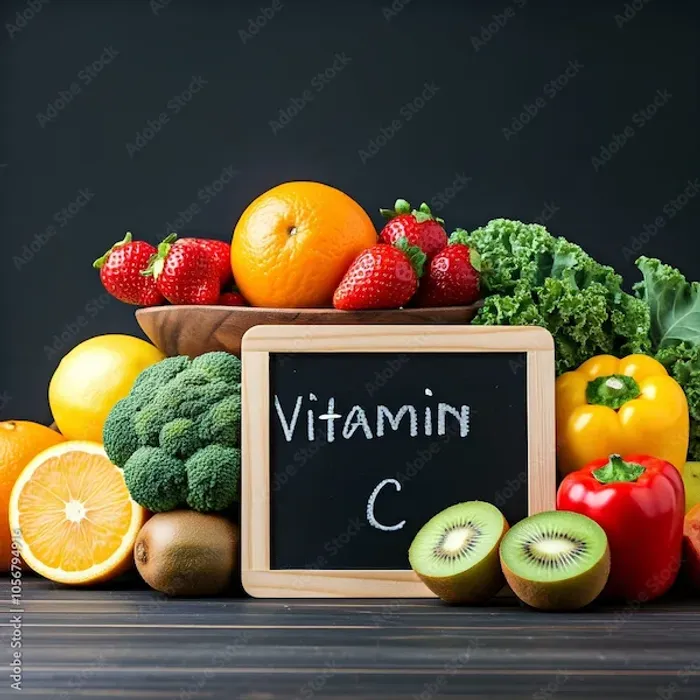
Dietary Solutions: Foods Rich in Vitamin C
The best solution is through diet. Excellent sources include:
Citrus fruits (oranges, grapefruits)
Kiwis, strawberries, and cantaloupe
Bell peppers (especially red and yellow)
Broccoli, Brussels sprouts, and tomatoes
White potatoes
Supplementation: When and How
If dietary changes aren't sufficient or you have a confirmed deficiency, supplements can help. The Recommended Dietary Allowance (RDA) for most adults is 75-90 mg per day. Supplements come in various forms (ascorbic acid, mineral ascorbates). It's generally best to start with a lower dose to avoid digestive upset.
Health topic carousel:
Lab Test: Vitamin C Test
Text: Get Your Health Assessed
Conclusion
Recognising the signs of vitamin C deficiency is the first step toward reclaiming your vitality. From the subtle drag of fatigue to the more alarming symptoms like bleeding gums and easy bruising, your body provides clear signals when it's running low on this critical nutrient. The good news is that addressing a deficiency is often straightforward. By prioritizing a diet rich in colorful fruits and vegetables, you can effectively reverse most symptoms and support your long-term health, bolstering your collagen, immunity, and overall well-being. Listen to your body; it might be asking for an extra dose of vitamin C. If symptoms persist beyond two weeks, consult a doctor online with Apollo24|7 for further evaluation and a personalised plan.
FAQs
Below are the FAQs:
1. Can I have a vitamin C deficiency without having scurvy?
A. Absolutely. Scurvy represents the most severe end of the deficiency spectrum. Many people experience subclinical deficiency, meaning they have low levels and related symptoms like fatigue and weak immunity without having full-blown scurvy.
2. How long does it take to correct a vitamin C deficiency?
A. With adequate dietary intake or supplementation, you can see improvements in symptoms like fatigue within 24-48 hours. More significant signs like bruising and gum health can take a few weeks to show noticeable improvement. Consistency is key.
3. What is the best way to absorb vitamin C?
A. Vitamin C is best absorbed when consumed through whole foods and in smaller doses throughout the day rather than one large dose. Taking it with iron-rich plant foods (like spinach or lentils) can also enhance iron absorption.
4. Can you take too much vitamin C?
A. Since it's water-soluble, your body excretes excess amounts. However, very high doses (over 2,000 mg per day) can cause digestive upset like diarrhea, nausea, and stomach cramps. It's best to stick near the RDA unless advised otherwise by a doctor.
5. Do I need a blood test to confirm a deficiency?
A. While symptoms can be strong indicators, a blood test is the only way to confirm a diagnosis. Apollo24|7 offers convenient home collection for tests like vitamin panels, making it easy to get an accurate assessment from home.
Health topic carousel:
Doctor's speciality: General Physician
Text: Consult a General Physician for the best advice