


Diet vs Exercise: Which Works Best for Weight Loss?
Diet vs exercise for weight loss? See science-backed weight loss tips, safe calorie cuts, and workout guidance to lose weight and keep it off.

Written by Dr. Dhankecha Mayank Dineshbhai
Reviewed by Dr. Rohinipriyanka Pondugula MBBS
Last updated on 13th Jan, 2026
Introduction
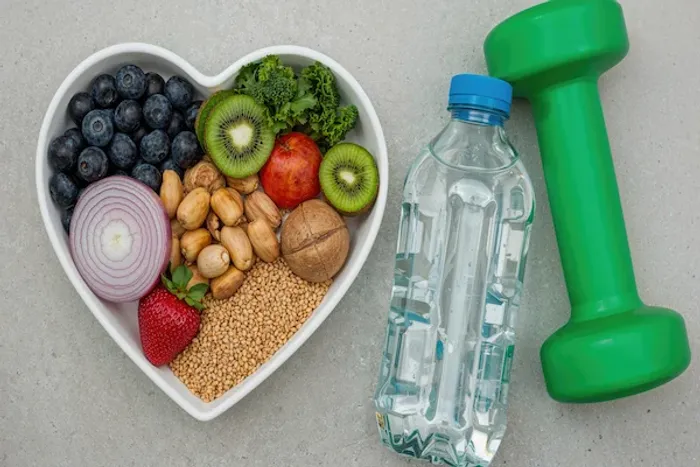
If you’re trying to slim down, you’ve likely wondered about diet vs exercise. Which matters most, and what are the most effective weight loss tips you can use today? The answer is important because most people want results that are safe, sustainable, and good for overall health, not quick fixes that don’t last.
Diet vs Exercise: What the Science Says?
- Calorie balance is key. Weight changes when calories in (what you eat and drink) are lower or higher than calories out (your body’s metabolism and activity).
- In the real world, it’s usually easier to reduce calories through diet than to burn large amounts through exercise alone. For example, skipping a 300-calorie sugary drink can be simpler than burning 300 calories with a long workout.
- Exercise is a health powerhouse. It improves heart and brain health, blood sugar control, mood, sleep, and more, and it helps maintain muscle as you lose weight.
- The winning strategy for most people is a combination: a modest, steady calorie deficit from food choices plus regular physical activity.
Trusted health organizations also agree on safe pacing. A slow-and-steady loss of about 1–2 pounds per week is considered a safe and realistic target for many adults. Most people reach that by reducing daily calories and increasing activity in small, sustainable steps.
How Diet Drives Weight Loss?
Diet choices create most of the calorie deficit for initial weight loss. Instead of strict rules, think “upgrade, don’t overhaul.” Focus on habits you can keep.
Practical Food Strategies That Work
Build Balanced Plates
- Half vegetables and fruit (fiber adds fullness with fewer calories)
- A quarter of lean protein (beans, eggs, fish, poultry, tofu)
- A quarter whole grains or starchy vegetables (brown rice, quinoa, oats, potatoes)
- A small amount of healthy fats (olive oil, nuts, avocado)
Prioritize Protein And Fiber At Every Meal
- Protein helps preserve muscle and improves fullness.
- Fiber slows digestion and stabilizes energy.
Choose Lower Energy-Density Foods
- Broth-based soups, salads, vegetables, and fruit help you feel full for fewer calories.
Cut Liquid Calories
- Swap sugar-sweetened drinks, specialty coffees, and juices for water, sparkling water, or unsweetened tea.
Eat Mostly Minimally Processed Foods
- Focus on whole foods; limit highly processed snacks, sweets, and fast food, which are easy to overeat.
Plan Portions Before You’re Hungry
- Use smaller plates, pre-portion snacks, and keep tempting foods out of sight.
Mindful Eating
- Sit to eat, slow down, and stop at “satisfied,” not stuffed. Give your brain time (about 10–20 minutes) to register fullness.
Consult a Top General Physician
Calorie Deficits
- Aim for a modest deficit you can maintain, not the smallest number possible.
- Many people do well starting with small swaps that reduce 300–500 calories per day (for example, replacing sugary drinks, choosing leaner proteins, and trimming portions).
- Keep nutrition quality high: include vegetables, fruit, lean proteins, legumes, whole grains, nuts, seeds, and healthy fats.
How Exercise Supports Weight Loss and Health?
Physical activity is vital for your body and mind. It may not be the fastest way to create a calorie deficit, but it makes weight loss healthier and maintenance more likely.
What do the Guidelines Recommend?
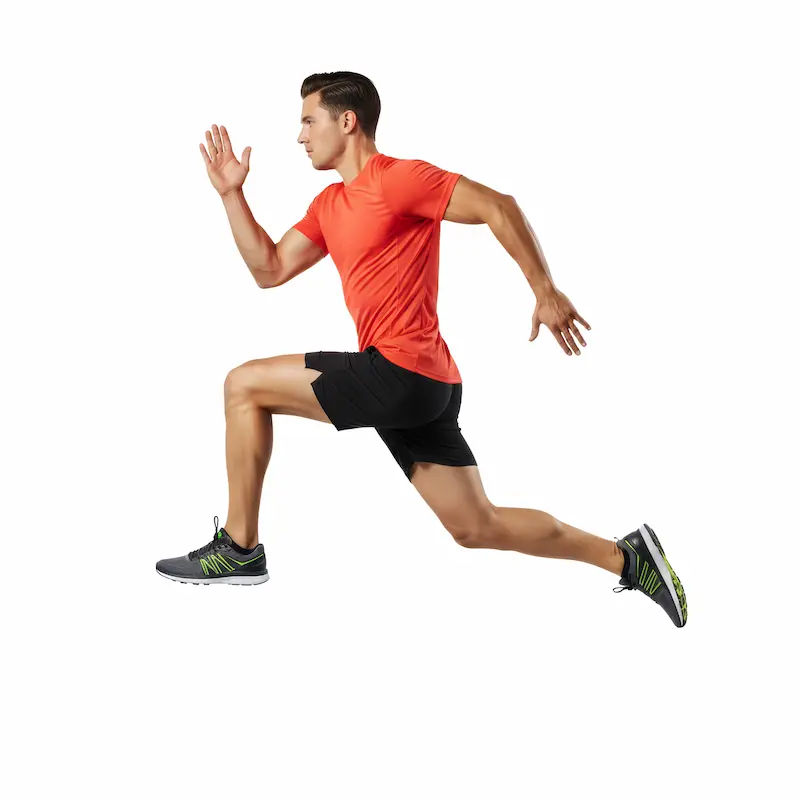
- For general health, adults should get 150–300 minutes per week of moderate-intensity aerobic activity (like brisk walking) or 75–150 minutes per week of vigorous activity (like jogging), plus muscle-strengthening activities on 2 or more days per week.
- For weight loss and long-term weight maintenance, many people benefit from being toward the higher end of that range or above it, along with dietary changes.|
The Exercise Mix That Works
Aerobic Activity
- Brisk walking, cycling, swimming, dancing, anything that elevates your heart rate, and you enjoy it.
Strength Training
- At least two days per week. Use free weights, machines, resistance bands, or bodyweight moves (squats, push-ups, rows). This helps preserve and build muscle, which supports your metabolism as you lose weight.
Move More, Sit Less
- Increase everyday movement (take the stairs, short walking breaks, light chores). These “non-exercise” activities can add up.
Diet vs Exercise: The Best Mix for You
The best plan is the one you can keep. Here’s a simple way to combine both without being overwhelmed.
A Starter Weekly Plan
Eating Pattern
- Follow balanced plates at each meal.
- Include protein and fiber each time you eat.
- Replace sugary drinks with water or unsweetened tea.
- Plan simple, repeatable meals (for example, overnight oats at breakfast; salad with beans or chicken at lunch; salmon, quinoa, and vegetables at dinner).
Activity Pattern
- 5 days of 30–45 minutes of moderate cardio (like brisk walking).
- 2 days of total-body strength training (20–40 minutes). Focus on major movements: squat/hinge, push, pull, core.
- Light movement breaks every hour you’re sitting (1–3 minutes).
Sleep And Stress
- Aim for at least 7 hours of sleep per night and practice simple stress relief (a walk outside, breathing exercises, or a short stretch) to reduce “stress eating” triggers.
Personalise It
- Prefer cycling to walking? Great, do that.
- Cooking not your thing? Use healthy convenience options (pre-cut vegetables, canned beans, rotisserie chicken, microwavable brown rice).
- Short on time? Try 10–15 minute “exercise snacks” throughout the day; they count.
Evidence-Based Weight Loss Tips You Can Start Today
Here are practical weight loss tips you can implement this week:
- Keep a simple food and activity log for a few days; awareness drives change.
- Eat vegetables or fruit at every meal and most snacks.
- Include a source of protein at breakfast (eggs, Greek yogurt, tofu scramble, cottage cheese, beans).
- Swap one refined-carb choice for a whole-grain option.
- Cut back on alcohol; it adds calories and can increase appetite.
- Pre-portion snacks into small containers instead of eating from the bag.
- Schedule workouts like appointments; consistency beats intensity.
- Set a daily step or movement goal and build from there.
- Put trigger foods out of sight; keep healthier options visible. Plan for social events: eat a balanced snack beforehand, choose water first, and decide on one or two treats you’ll really enjoy.
Common Pitfalls and How to Avoid Them?
All-Or-Nothing Thinking
- Instead of “perfect” days, aim for “better” choices. One less-than-ideal meal doesn’t cancel your progress.
Over-Relying On Exercise To “Burn Off” Food
- Let exercise support health and muscle; let diet create most of the calorie deficit.
- Drinking calories without noticing:
- Replace sugary drinks and limit alcohol.
Skipping Protein
- Include protein at each meal to support fullness and muscle.
Not Sleeping Enough
- Short sleep can increase hunger and cravings. Aim for 7+ hours when possible.
Unrealistic Timelines
- Aim for steady progress. Quick losses are often followed by a regain if habits aren’t sustainable.
When to Seek Medical Support?
- Talk to your healthcare provider before starting a new diet or exercise plan if you have chronic conditions, take medications that affect weight or blood sugar, or have concerns about heart health.
- A registered dietitian can help you tailor an eating plan to your preferences, culture, budget, and health needs.
- If you’ve tried structured changes without success, ask your clinician about comprehensive programs, FDA-approved weight-loss medications, or, for those who meet criteria, metabolic/bariatric surgery. These evidence-based options are tools, not shortcuts, and work best alongside lifestyle changes.
Consult a Top General Physician
Bottom Line
In the diet vs exercise debate, diet usually does more of the heavy lifting for initial weight loss, while exercise supercharges your health, protects muscle, and helps keep the weight off. You don’t have to choose one or the other. Start with a few food upgrades and regular movement you enjoy, build consistency, and adjust as you go. Small, steady changes add up.
Consult a Top General Physician

Dr. Harshendra Jaiswal
General Physician/ Internal Medicine Specialist
12 Years • MBBS , MD (General medicine)
Kolkata
108 DHANA DHANVANTARI Clinic, Kolkata

(25+ Patients)

Dr. Vivek D
General Physician
4 Years • MBBS
Bengaluru
PRESTIGE SHANTHINIKETAN - SOCIETY CLINIC, Bengaluru

Dr Syed Mateen Pasha
General Physician
2 Years • MBBS
Bengaluru
PRESTIGE SHANTHINIKETAN - SOCIETY CLINIC, Bengaluru

Dr. Smitha Nagaraj
General Physician/ Internal Medicine Specialist
15 Years • MBBS, Diploma in Family Medicine
Bengaluru
Apollo Medical Center, Marathahalli, Bengaluru

Dr. Divyashree K
General Physician/ Internal Medicine Specialist
5 Years • MBBS
Bengaluru
Apollo Clinic, JP nagar, Bengaluru
Consult a Top General Physician
Dr. Harshendra Jaiswal
General Physician/ Internal Medicine Specialist
12 Years • MBBS , MD (General medicine)
Kolkata
108 DHANA DHANVANTARI Clinic, Kolkata
(25+ Patients)
Dr. Vivek D
General Physician
4 Years • MBBS
Bengaluru
PRESTIGE SHANTHINIKETAN - SOCIETY CLINIC, Bengaluru
Dr Syed Mateen Pasha
General Physician
2 Years • MBBS
Bengaluru
PRESTIGE SHANTHINIKETAN - SOCIETY CLINIC, Bengaluru
Dr. Smitha Nagaraj
General Physician/ Internal Medicine Specialist
15 Years • MBBS, Diploma in Family Medicine
Bengaluru
Apollo Medical Center, Marathahalli, Bengaluru
Dr. Divyashree K
General Physician/ Internal Medicine Specialist
5 Years • MBBS
Bengaluru
Apollo Clinic, JP nagar, Bengaluru
More articles from Weight Loss




Frequently Asked Questions
Is diet or exercise more important for weight loss?
Diet typically has a bigger impact on losing weight because it’s easier to reduce calories through food choices than to burn the same number through exercise. But exercise is essential for health, preserving muscle, and maintaining weight loss. The best results come from combining both.
How many calories should I eat to lose weight?
There’s no single number for everyone. Many adults lose weight safely by creating a modest calorie deficit through healthier food choices and portions. A steady loss of about 1–2 pounds per week is a common goal. If you have medical conditions or take medications, ask your healthcare provider or a registered dietitian for personalized guidance.
How much exercise do I need to lose weight?
For general health, aim for 150–300 minutes of moderate activity (like brisk walking) per week, plus strength training at least two days per week. For weight loss and maintenance, many people benefit from more activity within or above that range, along with dietary changes.
Which diet is best: low-carb, low-fat, or Mediterranean?
The best plan is one you can stick with, and that emphasizes nutrient-dense foods. Many patterns can work, such as Mediterranean-style, higher-protein, lower-carb, or lower-fat diets, if they create a calorie deficit and fit your preferences, culture, and health needs.
How fast is it safe to lose weight?
About 1–2 pounds per week is considered a safe, sustainable pace for most adults. Faster loss can be appropriate in specific medical settings under professional supervision, but very low-calorie approaches are not right for everyone.