


Exercise After Liposuction: Why It Is Crucial & Safe?
Learn why exercise is crucial and safe during liposuction recovery. Practical post surgery exercise steps and cosmetic surgery tips from trusted sources.

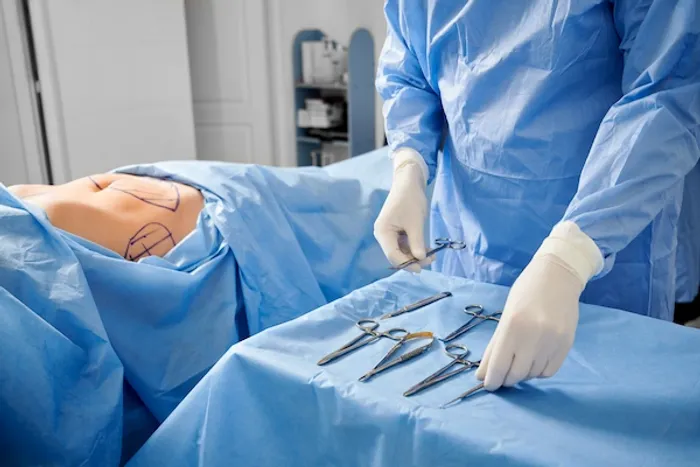
Introduction
Thinking ahead about movement after liposuction is one of the smartest choices you can make. The right activity, at the right time, supports healing, reduces risks, and helps maintain your results. In this guide, you’ll find clear, research‑based advice on liposuction recovery, post-surgery exercise, and practical cosmetic surgery tips you can use right away. Always follow your surgeon’s personalised instructions first; use this as a supportive roadmap.
What Liposuction Does And Doesn’t Do?
- What it does: Liposuction surgically removes pockets of subcutaneous fat to contour specific areas (abdomen, flanks, thighs, arms, chin, etc.). You’ll likely wear a compression garment, and swelling is common for weeks to months as tissues settle.
- What it doesn’t do: It’s not a weight‑loss procedure or a treatment for obesity. It won’t improve cellulite or skin laxity. Long‑term results depend heavily on lifestyle, especially nutrition and physical activity.
Why Is Exercise Crucial After Liposuction?
The right exercise plan helps you heal and protect your investment. Benefits include:
- Better circulation and lower complication risk: Gentle movement soon after surgery helps reduce the risk of blood clots in the legs (deep vein thrombosis) and promotes overall circulation.
- Less stiffness and faster return to normal: Early walking prevents deconditioning, improves mobility, and supports a smoother day‑to‑day recovery.
- Reduced swelling over time: Light, progressive activity helps the body manage fluid shifts that contribute to swelling.
- Mood and sleep benefits: Movement can ease stress and improve sleep quality, both essential during recovery.
- Maintaining results: Once you’re cleared for full activity, regular exercise helps prevent weight gain and supports long‑term contour.
Liposuction recovery timeline and post surgery exercise basics
Every recovery is unique. Your timeline depends on the areas treated, the amount of fat removed, your baseline fitness, and your surgeon’s technique. Use the guide below as a typical framework, and adjust based on your surgeon’s advice.
Days 0–3: Start With Gentle Walking
- Goal: Safety and circulation.
- What to do: Short, frequent walks around your home (3–5 minutes, several times a day).
- Wear your compression garment as directed; it helps control swelling and supports tissues.
- Avoid: Straining, lifting heavy items, or pushing through pain. Keep walks easy and upright.
Consult a Top General Physician
Week 1: Build Light Activity
- Goal: Move a bit more without raising your heart rate too much.
- What to do: 5–10 minute walks, 3–5 times per day. Add simple mobility (ankle pumps, shoulder rolls).
- Watch your body’s signals: Mild pulling or tightness is normal; sharp pain, increasing redness, or drainage is not.
- Avoid: High-impact steps, core‑intense moves if your abdomen was treated, or anything that rubs incisions.
Weeks 2–3: Light Cardio If Cleared
- Goal: Gradually reintroduce low‑intensity cardio.
- What to do (with surgeon approval): 15–30 minutes of low‑impact cardio (easy stationary bike, treadmill walking on flat, gentle elliptical). Keep effort light to moderate, you should be able to speak in full sentences.
- Strength training: Begin with very light loads for areas not directly treated, avoiding movements that stretch or compress healing tissues.
- Avoid: Jogging, HIIT, heavy lifting, and core‑straining exercises if the abdomen was treated.
Weeks 4–6: Progress To Moderate Exercise
- Goal: Return toward pre‑surgery activity, without overdoing it.
- What to do (if cleared): Increase cardio duration and intensity gradually. Resume light‑to‑moderate strength training; start with machines or bodyweight to control range of motion.
- Consider splitting workouts: Shorter sessions may be more comfortable than one long session while you’re still wearing compression.
- Avoid: Any exercise that causes significant pain, chafes incisions, or worsens swelling later that day or the next morning.
After 6 Weeks: Resume Vigorous Training As Advised
- Many people can return to vigorous exercise between 4–6 weeks, but complex or extensive liposuction may require longer. Get explicit clearance from your surgeon.
- Long‑term target (once fully healed): Aim for at least 150 minutes of moderate aerobic activity (or 75 minutes vigorous) per week, plus 2 or more days of muscle‑strengthening, as recommended by public health guidelines.
Safety Rules For Post Surgery Exercise
- Your surgeon’s plan comes first: Follow all activity and compression instructions they provide.
- Progress gradually: Increase either time or intensity, not both in the same week. A 10% weekly increase is a safe rule of thumb once you’re cleared.
- Use a “talk test”: During early recovery, stay at an intensity where you can speak in full sentences.
- Mind your incisions: Keep them clean and dry. Avoid submerging in pools, hot tubs, or lakes until fully healed and cleared by your surgeon.
- Watch for warning signs: Stop and call your surgeon if you notice increasing pain, redness, warmth, pus‑like drainage, fever, one‑sided leg swelling or pain, chest pain, or shortness of breath.
- Hydrate and fuel: Dehydration worsens swelling and fatigue. Eat balanced meals with adequate protein to support healing.
- Wear your compression garment as directed: Especially during walks or light cardio, unless your surgeon instructs otherwise.
- Avoid nicotine and vaping: They reduce blood flow and slow healing.
- Medication check: Use only pain relievers and supplements approved by your surgeon, as some can increase bleeding risk.
- Environment matters: Choose cool, clean settings for exercise to reduce sweat irritation and infection risk on healing skin.
Area Specific Exercise Notes
Area-specific exercise Notes detail important pre-mission physical conditioning guidance tailored to a particular geographical or operational environment.
Abdomen And Flanks
- Early weeks: Avoid planks, sit‑ups, twisting, or heavy bracing. Prioritize upright walking.
- Reintroduction: Start with gentle core activation (diaphragmatic breathing, pelvic tilts) once cleared. Progress to modified planks and then to full core work gradually.
Thighs And Hips
- Early weeks: Avoid high‑impact movements (running, jump squats) and wide stances that stretch incisions.
- Reintroduction: Begin with supported squats to a chair, step‑ups to low height, and light cycling before jogging.
Arms
- Early weeks: Limit overhead lifting and heavy carries.
- Reintroduction: Start with light resistance bands and machines that stabilize the arm path.
Neck/Chin
- Early weeks: Avoid high‑impact exercise that causes jarring. Keep neck movements gentle.
- Reintroduction: Gradually return to your usual routine as swelling subsides, per surgeon guidance.
Cosmetic Surgery Tips That Support Recovery
- Sleep and position: Follow your surgeon’s positioning advice to minimise pressure on treated areas.
- Nutrition: Prioritise lean protein, colourful produce, whole grains, and healthy fats. Limit excess salt to help control swelling.
- Bowel regularity: Pain medicines can cause constipation; drink fluids, eat fibre, and use surgeon‑approved stool softeners if needed.
- Scar care: Use only the ointments, silicone products, or massage your surgeon recommends, and only after incisions are closed.
- Sun protection: Keep healing skin out of direct sun to reduce the risk of darkening or thickening of scars.
- Optional therapies: Some surgeons recommend modalities like gentle manual lymphatic drainage; evidence is limited and mixed. Only pursue with your surgeon’s approval.
A Simple Sample Week (After Your Surgeon Clears You For Light Activity)
- Monday: 15–20 minutes easy walk; gentle shoulder and ankle mobility.
- Tuesday: 20 minutes stationary bike, low resistance.
- Wednesday: 15-minute walk; light band work for non‑treated areas.
- Thursday: Rest or gentle stretching (avoid pulling on treated areas).
- Friday: 20–30 minutes walk at a comfortable pace.
- Saturday: 20 minutes elliptical, easy; breathing‑based core activation if abdomen not treated (or if cleared).
- Sunday: Rest, hydration, and a short stroll.
When To Call Your Surgeon Or Seek Urgent Care?
Knowing when to seek help is crucial for a smooth recovery:
- Fever over 100.4°F (38°C), chills, or feeling unwell.
- Worsening pain not controlled by approved medications.
- Increasing redness, warmth, or foul‑smelling drainage at incision sites.
- Sudden, uneven swelling, severe tightness, or new asymmetry.
- Calf pain, swelling, warmth, or redness (possible blood clot).
- Chest pain, rapid heartbeat, dizziness, or shortness of breath (medical emergency, call emergency services).
Consult a Top General Physician
Consult a Top General Physician

Dr. Shamim Anjum
Family Physician
15 Years • MBBS, M MED (Family Medicine)
Hyderabad
FAMILY CARE CLINIC, Hyderabad

Dr. Chethan T L
General Physician/ Internal Medicine Specialist
5 Years • MBBS, MD, DNB (General Medicine)
Bengaluru
Apollo Medical Center, Marathahalli, Bengaluru

Dr. Rajib Ghose
General Physician/ Internal Medicine Specialist
25 Years • MBBS
East Midnapore
VIVEKANANDA SEBA SADAN, East Midnapore

Dr. Sanjukta Das
General Physician
9 Years • MBBS
Kolkata
MCR SUPER SPECIALITY POLY CLINIC & PATHOLOGY, Kolkata

Dr. Ankitha
Internal Medicine Specialist Diabetologist
6 Years • MD INTERNAL MEDICINE
Bengaluru
Apollo Medical Center, Marathahalli, Bengaluru

(25+ Patients)
Consult a Top General Physician
Dr. Shamim Anjum
Family Physician
15 Years • MBBS, M MED (Family Medicine)
Hyderabad
FAMILY CARE CLINIC, Hyderabad
Dr. Chethan T L
General Physician/ Internal Medicine Specialist
5 Years • MBBS, MD, DNB (General Medicine)
Bengaluru
Apollo Medical Center, Marathahalli, Bengaluru
Dr. Rajib Ghose
General Physician/ Internal Medicine Specialist
25 Years • MBBS
East Midnapore
VIVEKANANDA SEBA SADAN, East Midnapore
Dr. Sanjukta Das
General Physician
9 Years • MBBS
Kolkata
MCR SUPER SPECIALITY POLY CLINIC & PATHOLOGY, Kolkata
Dr. Ankitha
Internal Medicine Specialist Diabetologist
6 Years • MD INTERNAL MEDICINE
Bengaluru
Apollo Medical Center, Marathahalli, Bengaluru
(25+ Patients)
More articles from Weight Loss




Frequently Asked Questions
How soon can I walk after liposuction?
Most surgeons encourage gentle walking the day of or the day after surgery to promote circulation and reduce clot risk. Keep it short, frequent, and easy, and follow your surgeon’s exact instructions.
When can I return to the gym?
Light cardio often resumes within 1–2 weeks, with moderate exercise around weeks 3–4, and vigorous workouts typically after 4–6 weeks, if you’re cleared. Timelines vary based on the extent of treatment and your healing.
Do I have to wear compression while exercising?
Usually yes, during early recovery. Compression helps control swelling and supports tissues as you move. Your surgeon will tell you how many hours per day and for how many weeks to wear it.
Will exercise ruin my results?
Safe, progressive exercise protects, not harms, your results. Overexertion too soon can increase swelling or complications. Once healed, regular activity helps maintain your new contour.
What are the best cosmetic surgery tips to speed healing?
Follow your surgeon’s plan, walk early, stay hydrated, eat enough protein, avoid nicotine, keep incisions clean and dry, and gradually increase activity. Ask before starting any new therapy or supplement.