


FUPA Workout: Burn Lower Belly Fat
Your friendly, science-backed guide to a FUPA workout. Learn how to reduce lower belly fat with smart exercise, nutrition, and lifestyle tips.

Written by Dr. Dhankecha Mayank Dineshbhai
Reviewed by Dr. J T Hema Pratima MBBS, Fellowship in Diabetes Mellitus
Last updated on 13th Jan, 2026
Introduction
If your lower belly or pubic area feels extra puffy, you’re not alone. Many people look for a FUPA workout to slim the “fat upper pubic area,” that little shelf of fat and skin over the lower abdomen. While you can’t tell your body exactly where to burn fat, you can absolutely shrink overall body fat and build a strong, toned core so the lower belly looks and feels firmer. This guide explains what really works based on trusted health organisations and gives you a clear plan you can start today.
Consult a Top General Practitioner for Personalised Advice
What is a FUPA, and Why Does It Happen?
FUPA is a casual term for extra fat and/or loose tissue that sits above the pubic bone and lower abdomen. It’s common and completely normal. Several factors can contribute:
- Genetics: We all store fat a bit differently.
- Hormones and life stages: Pregnancy, menopause, and ageing can change where fat accumulates.
- Weight changes: Fat gain or loss can show up around the lower belly.
- Posture and muscle balance: Weak deep core, tight hip flexors, or an anterior pelvic tilt can make the area more
prominent. - Skin elasticity: After pregnancy or significant weight loss, skin may be looser.
Can a FUPA Workout Burn Lower Belly Fat?
Here’s the truth: you can’t spot-reduce fat from one area of the body. Doing hundreds of lower-ab exercises won’t melt
fat only from your lower belly. What does work is a combination of:
- A calorie deficit from diet and activity
- Regular aerobic exercise
- Full-body strength training
- Targeted core work to strengthen and define the muscles underneath
- Consistent sleep and stress management
This approach reduces total body fat and improves muscle tone. Over time, the lower belly typically becomes smaller and firmer.
Science-Backed Plan to Reduce Lower Belly Fat
The plan to reduce lower belly fat includes:
Weekly Activity Targets That Work
Aim for at least 150–300 minutes per week of moderate-intensity aerobic activity (like brisk walking or cycling) or
75–150 minutes of vigorous activity (like running), plus muscle-strengthening work on 2 or more days per week. These
are evidence-based guidelines from the WHO and CDC and are a strong foundation for fat loss and health.
New to exercise? Start at the lower end and build up gradually.
Cardio To Burn Calories
The options include:
- Moderate options: Brisk walking, cycling, swimming, elliptical, dance fitness. Try 30–45 minutes most days.
- Vigorous options: Running, fast cycling, stair climbing, cardio intervals.
- Interval idea: After a warm-up, do 6–10 rounds of 30 seconds fast, 60–90 seconds easy, then cool down. Intervals can
save time and boost fitness, but go easy at first and skip if you have any medical concerns.
Strength Training For Muscle Building
Muscle is metabolically active, supports posture, and helps your midsection look tighter.
- Train all major muscle groups 2–3 times per week.
- Choose compound moves: squats, deadlifts or hip hinges, lunges, rows, presses, and carries.
- Use challenging but safe weights. When you can do the top end of your rep range with good form, increase weight
slightly (progressive overload). - Rest 48 hours between harder strength sessions for the same muscle group.
Core and Pelvic-Focused Exercises
Deep core training supports your spine, flattens the lower belly by improving muscle tone and posture, and pairs
perfectly with fat-loss cardio and strength work. Try these moves 2–4 times per week:
- Dead bug: 6–10 slow reps per side. Keep your lower back lightly pressed toward the floor.
- Reverse crunch: 8–12 reps. Curl tailbone up, not by swinging legs.
- Forearm plank with posterior pelvic tilt: Hold 20–40 seconds, 2–3 sets.
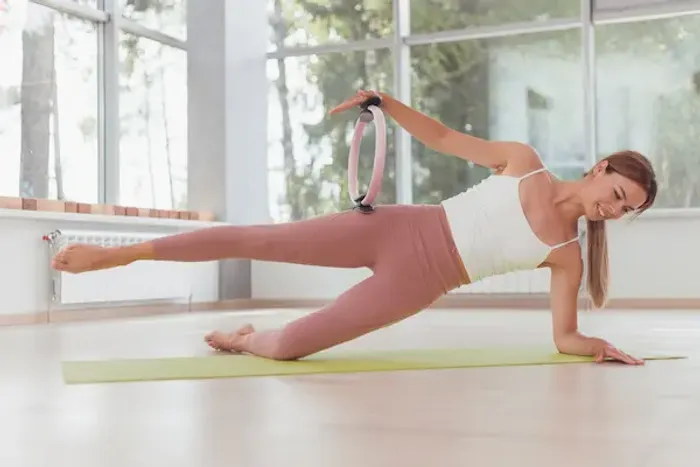
- Side plank (knees or feet): 20–30 seconds per side.
- Glute bridge: 10–15 reps, 2–3 sets. Squeeze glutes, don’t arch low back.
- Bird dog: 6–10 reps per side with controlled breathing.
- Pallof press (with band or cable): 10–12 reps per side for anti-rotation strength.
- Hip flexor stretch: 30–45 seconds per side to combat tightness that can tip the pelvis forward.
Form and breathing tips:
Exhale on the exertion (e.g., as you lift), and gently brace your midsection as if preparing to cough.
Keep the ribs down and pelvis neutral; avoid straining your neck.
A Sample 30-Minute FUPA Workout Circuit
Use this balanced routine 2–3 times per week on non-consecutive days. It combines calorie-burning, muscle-building,
and deep-core training. Always warm up first and move with control.
Warm-up (5 minutes)
Brisk walk or march in place: 2 minutes
Dynamic moves: hip circles, leg swings, arm circles, and 10 bodyweight squats
Circuit A: Strength + Core (2–3 rounds)
- Goblet squat or bodyweight squat: 10–12 reps
- Incline push-up or knee push-up: 8–12 reps
- Band or dumbbell row: 10–12 reps per side
- Glute bridge: 12–15 reps
- Dead bug: 6–8 slow reps per side
Rest 45–75 seconds between exercises as needed.
Cardio Intervals (6–8 minutes)
- 30 seconds brisk/fast walk, jog, or cycle
- 60 seconds easy pace
Repeat 4–6 times, then recover.
Core Finisher (1 round)
- Reverse crunch: 8–12 reps
- Forearm plank with posterior pelvic tilt: 20–40 seconds
- Side plank: 20–30 seconds per side
Cool-down (3–5 minutes)
- Gentle walking, then stretches for hip flexors, hamstrings, glutes, and low back
- Breath work: 4–5 slow breaths to relax your core and pelvic floor
Adjustments:
- Beginners: Do 1–2 rounds, shorten intervals, and use easier plank variations.
- Advanced: Add weight, slow down reps, or extend intervals slightly.
Nutrition Basics for Visible Results
You don’t need a perfect diet; you need a consistent, sustainable one that supports a modest calorie deficit and solid
nutrition.
- Create a gentle calorie deficit: Pair portion awareness with more movement. Steer clear of extreme restriction; it’s hard to sustain.
- Build plates around whole foods: vegetables, fruits, beans/legumes, whole grains, nuts/seeds, and lean proteins like fish, poultry, tofu, or yoghurt.
- Prioritise protein and fibre: They help with fullness and muscle recovery.
- Choose smart carbs and fats: Favour minimally processed carbs and healthy fats (olive oil, avocado, nuts) over refined,
sugary options. - Hydrate: Thirst can masquerade as hunger. Keep water nearby throughout the day.
- Keep alcohol modest: It adds calories and can impact sleep and appetite.
Lifestyle Habits That Support Fat Loss
The lifestyle habits for fat loss include:
- Sleep: Adults generally need 7 or more hours per night. Good sleep supports appetite regulation, energy, and recovery.
- Manage stress: Walking, stretching, breathing exercises, time outdoors, and social connection can reduce stress-related
snacking. - Move more daily: Aim for regular, light movement—standing breaks, short walks, and household activity all count
toward your total calorie burn. - Be consistent and patient: Visible change in the lower belly can take several weeks to months. Track progress with how
clothes fit, photos, and strength gains—not just the scale.
Posture, Breath, and Pelvic Floor
The role of posture, breath and pelvic floor position includes. Your posture can make the lower belly appear more or
less prominent.
- Think tall: Gently tuck the ribs, stack the head over shoulders and hips, and avoid overarching your lower back.
- Coordinate breath: Exhale during effort and avoid pushing your belly outward.
- Pelvic floor: Gentle pelvic floor engagement pairs well with deep-core training. If you’re postpartum or notice
doming/bulging along the midline, consult a qualified pelvic health physical therapist for personalised guidance.
Safety First
Safety points include:
- If you have pain, a hernia, recent surgery, significant diastasis recti, or you’re pregnant/postpartum, speak with your
healthcare provider before starting or progressing workouts. - Progress gradually. Quality reps matter more than quantity. If dizziness, chest pain, or unusual symptoms occur, stop
and seek medical care.
Conclusion
A smart fupa workout isn’t about endless crunches. It combines regular cardio, total-body strength, targeted core work, supportive nutrition, and steady habits like sleep and stress management. With consistency and patience, you’ll reduce overall body fat, strengthen your core, improve posture, and make that lower belly area look and feel firmer.
Consult a Top General Practitioner for Personalised Advice
Consult a Top General Practitioner for Personalised Advice

Dr. Vivek D
General Physician
4 Years • MBBS
Bengaluru
PRESTIGE SHANTHINIKETAN - SOCIETY CLINIC, Bengaluru

Dr Syed Mateen Pasha
General Physician
2 Years • MBBS
Bengaluru
PRESTIGE SHANTHINIKETAN - SOCIETY CLINIC, Bengaluru

Dr. Anand Ravi
General Physician
2 Years • MBBS, FEM
Bengaluru
PRESTIGE SHANTHINIKETAN - SOCIETY CLINIC, Bengaluru

Dr. Ashita Kuruvilla
General Practitioner
7 Years • MBBS
Kolkata
KVC CLINIC, Kolkata


Dr. Syed Ismail Ali
General Practitioner
7 Years • MBBS
Hyderabad
Apollo 24|7 Clinic, Hyderabad
Consult a Top General Practitioner for Personalised Advice
Dr. Vivek D
General Physician
4 Years • MBBS
Bengaluru
PRESTIGE SHANTHINIKETAN - SOCIETY CLINIC, Bengaluru
Dr Syed Mateen Pasha
General Physician
2 Years • MBBS
Bengaluru
PRESTIGE SHANTHINIKETAN - SOCIETY CLINIC, Bengaluru
Dr. Anand Ravi
General Physician
2 Years • MBBS, FEM
Bengaluru
PRESTIGE SHANTHINIKETAN - SOCIETY CLINIC, Bengaluru
Dr. Ashita Kuruvilla
General Practitioner
7 Years • MBBS
Kolkata
KVC CLINIC, Kolkata
Dr. Syed Ismail Ali
General Practitioner
7 Years • MBBS
Hyderabad
Apollo 24|7 Clinic, Hyderabad
More articles from Weight Loss

Frequently Asked Questions
1) Can I target fat only from my lower belly?
No. You can’t pick exactly where your body loses fat. But total fat loss plus core strengthening will reduce and firm the lower belly over time.
2) How long until I see results from a FUPA workout?
Many people notice changes in 4–8 weeks with regular exercise, nutrition, and sleep. Visible results vary by starting point, genetics, and consistency.
3) Are HIIT workouts better than steady-state cardio for lower belly fat?
Both can help. HIIT can be time-efficient and effective for fitness and calorie burn, but steady-state cardio is easier to recover from and sustain. Choose the style you’ll do regularly—and mix them if you like.
4) What are the best exercises to tighten the lower belly?
Deep-core moves like dead bugs, reverse crunches, planks, side planks, and anti-rotation work (Pallof press) help tone and support the lower abdomen. Pair them with full-body strength training and cardio.
5) Do waist trainers help reduce a FUPA?
Waist trainer may temporarily change appearance but doesn’t burn fat or strengthen muscles. For lasting change, focus on exercise, nutrition, and healthy habits.