


Do Saunas Help You Lose Weight? A Research-Based Insight
Do saunas help with weight loss? Learn what science says about sauna weight loss, detox therapy, safety tips, and smarter ways to reach your goals.

Written by Dr. Mohammed Kamran
Reviewed by Dr. Rohinipriyanka Pondugula MBBS
Last updated on 13th Jan, 2026

Introduction
Saunas have a wellness glow about them, warm, relaxing, and often marketed as tools for quick weight loss and detox therapy. But what does the research actually say? If you’re curious about sauna weight loss, how it works, and whether sweating it out can “detox” your body, this guide breaks down the facts in simple, trustworthy terms. You’ll learn what changes when you sit in a sauna, how that affects your weight, and how to safely make saunas part of a healthy lifestyle.
Quick Answer: Saunas shed water weight, not body fat
• A single sauna session can reduce the number on the scale, but that’s mostly water loss from sweating.
• When you rehydrate, most of that weight comes back.
• Saunas may slightly increase your heart rate and calorie use, but they are not a substitute for exercise or a long-term weight loss plan.
What does a sauna do to your body?
Sitting in a hot, dry environment (traditional sauna) or a lower-heat, radiant environment (infrared sauna) warms your skin and raises your core temperature slightly. In response:
• Your blood vessels widen (vasodilation), which can lower blood pressure temporarily.
• Your heart rate goes up, similar to a light-to-moderate effort for your cardiovascular system.
• You sweat to cool off, leading to fluid loss.
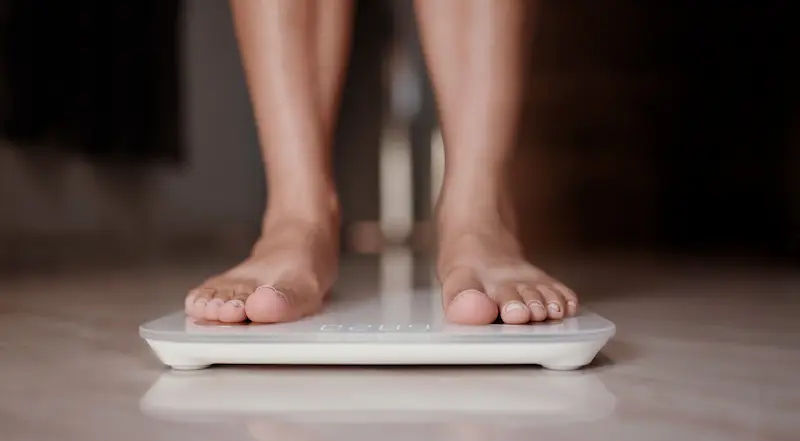
These are normal heat responses. They can help you feel relaxed and may ease muscle soreness after a workout. But the scale drops after a session, it's not fat, it’s water.
Sauna weight loss vs. real fat loss: how weight change actually happens
True, lasting weight loss comes from a steady calorie deficit, burning more calories than you take in, alongside healthy habits like regular physical activity and balanced eating. Public health organizations emphasize:
• Sustainable weight loss is gradual.
• Nutrition and physical activity are the core drivers.
• Short-term tricks that focus on sweating (like wearing a sauna suit) don’t reduce body fat and can be risky.
A sauna session may slightly increase energy expenditure due to elevated heart rate and heat stress, but on its own, this is generally not enough to create meaningful fat loss. If weight loss is your goal, think of sauna use as a complement for relaxation or recovery rather than a primary strategy.Consult a Top General Physician
Detox therapy claims: what science supports and what it doesn’t?
You’ll often see saunas promoted for detox therapy. Here’s the science:
• Your liver and kidneys are the body’s main detox organs. They process and eliminate most substances efficiently.
• Sweat contains water and small amounts of minerals and trace compounds. While sweat can excrete tiny amounts of certain substances, there’s no strong evidence that routine sauna “detoxes” the average person in a way that improves health or speeds weight loss.
• For specific toxic exposures (for example, certain workplace or environmental exposures), treatment should be medically supervised; a sauna is not a replacement for professional care.
Bottom line: Enjoy a sauna for relaxation, comfort, or post-exercise recovery,but be cautious about broad detox therapy claims.
Potential health benefits of sauna bathing (beyond weight)
While saunas aren’t a fat-loss tool, emerging research and clinical observations suggest several potential benefits when used safely:
• Relaxation and stress relief: Heat can help you unwind and sleep better.
• Temporary relief of muscle tension and soreness after exercise.
• Cardiovascular support: Regular sauna use has been associated in observational studies with cardiovascular benefits, such as better blood pressure control and reduced risk of certain events. Association does not prove causation, but results are encouraging.
• General well-being: Many people report feeling looser, calmer, and more comfortable after a short session.
What do these benefits not mean?
• A sauna doesn’t replace physical activity or healthy eating.
• A sauna isn’t a shortcut for sauna weight loss or “melting fat.”
• People with certain health conditions should check with their clinician before use.
How to use a sauna safely?
To make sauna sessions safe and pleasant:
• Hydrate well. Drink water before and after. If you’re sweating heavily or staying longer, consider an electrolyte drink.
• Keep sessions short, especially if you’re new. Start with brief sessions (often up to 10–15 minutes) and build gradually if you tolerate the heat well.
• Cool down gently. Allow your body to return to normal temperature before showering or exercising again.
• Avoid alcohol before and after. Alcohol increases the risk of dehydration, dizziness, and fainting.
• Listen to your body. Stop if you feel dizzy, nauseated, unusually short of breath, or unwell.
• Consider your health conditions. Talk to a healthcare professional if you have heart disease, low blood pressure, uncontrolled high blood pressure, kidney problems, are pregnant, or take medications that affect sweating or blood pressure.
• Follow facility guidance. Temperatures and recommended times vary by sauna type; read posted instructions and stay within recommended limits.
If weight loss is your goal, prioritize these strategies
Evidence-based steps work better than chasing quick fixes:
• Create a gentle calorie deficit. Emphasize vegetables, fruits, lean proteins, whole grains, and healthy fats. Portion awareness helps.
• Move more each week. Combine aerobic activity (walking, cycling, swimming) with muscle-strengthening exercises. Even small increases in daily movement add up.
• Build muscle. Strength training supports metabolism and makes weight maintenance easier.
• Sleep and stress. Prioritize sleep and stress management, both affect hunger, cravings, and energy. Be consistent. Aim for steady, sustainable progress rather than rapid changes.
Where does a sauna fit in?
• Use it for recovery and relaxation.
• Think of it as a wellness add-on that can make healthy living more enjoyable.
• Don’t count on sauna weight loss to replace daily movement or balanced nutrition.
Infrared vs. traditional sauna: is one better for weight loss?
Infrared saunas operate at lower temperatures but still make you sweat. Marketing sometimes suggests infrared options are superior for fat loss or detox therapy. Current evidence does not show a clear advantage of one type over the other for losing body fat. Choose the type you find comfortable and safe, and use it within recommended guidelines.
Sauna weight loss vs. exercise: a practical comparison
• Calorie burn: Exercise reliably increases energy expenditure and preserves muscle; sauna heat raises heart rate but is not a meaningful fat-loss driver on its own.
• Metabolic benefits: Exercise improves insulin sensitivity, cardiovascular fitness, and body composition. A sauna may complement cardiovascular health but doesn’t replace movement.
• Recovery: A sauna can feel great after workouts and may help you stick with your routine by reducing perceived soreness.
Myths to skip
• “You can sweat out fat.” Fat loss comes from using stored energy over time, not from sweating.
• “A sauna detox replaces a healthy liver and kidneys.” Your body already has an excellent detox system.
• “More heat and longer sessions mean more results.” Overdoing it raises risks without improving outcomes.
Sample weekly routine that includes sauna safely
• Most days: Aim for moderate-intensity physical activity (like brisk walking).
• Two to three days: Strength training for major muscle groups.
• Optional 1–3 sauna sessions per week: Short, comfortable sessions after workouts or on rest days, with good hydration and cool-down.
The bottom line
Saunas can be a relaxing wellness habit that supports recovery and may have cardiovascular benefits when used safely. However, they don’t cause meaningful fat loss. Any drop in scale weight after a session is mostly water and will return once you rehydrate. For long-term results, focus on nutrition, movement, sleep, and stress management, and enjoy the sauna as a supportive, feel-good add-on, not a shortcut. Be mindful of claims about detox therapy and talk to your healthcare provider if you have medical conditions or concerns.Consult a Top General Physician
Consult a Top General Physician

Dr. Shakti
General Physician/ Internal Medicine Specialist
25 Years • MBBS, DNB, PGDHIVM, MRCP (UK)
Delhi
Apollo Hospitals Indraprastha, Delhi

(325+ Patients)

Dr. Hariprasath J
General Physician/ Internal Medicine Specialist
19 Years • MD (Gen Med), FCCP, Dip (Diabetology, UK)
Chennai
Apollo First Med Hospitals P H Road, Chennai
(225+ Patients)

Dr. Impana G N
Physician/ Internal Medicine/ Covid Consult
11 Years • MBBS,DNB FAMILY MEDICINE, MNAMS ,CCEBDM
Mysuru
Apollo BGS Hospital Adichuchanagiri Road, Mysuru

Dr. Ajay K Sinha
General Physician/ Internal Medicine Specialist
30 Years • MD, Internal Medicine
Delhi
Apollo Hospitals Indraprastha, Delhi
(225+ Patients)

Dr. Swaroopa Rani
General Physician/ Internal Medicine Specialist
9 Years • MBBS, MD (Internal Medicine)
Bengaluru
Apollo Medical Center, Marathahalli, Bengaluru
Consult a Top General Physician
Dr. Shakti
General Physician/ Internal Medicine Specialist
25 Years • MBBS, DNB, PGDHIVM, MRCP (UK)
Delhi
Apollo Hospitals Indraprastha, Delhi
(325+ Patients)
Dr. Hariprasath J
General Physician/ Internal Medicine Specialist
19 Years • MD (Gen Med), FCCP, Dip (Diabetology, UK)
Chennai
Apollo First Med Hospitals P H Road, Chennai
(225+ Patients)
Dr. Impana G N
Physician/ Internal Medicine/ Covid Consult
11 Years • MBBS,DNB FAMILY MEDICINE, MNAMS ,CCEBDM
Mysuru
Apollo BGS Hospital Adichuchanagiri Road, Mysuru
Dr. Ajay K Sinha
General Physician/ Internal Medicine Specialist
30 Years • MD, Internal Medicine
Delhi
Apollo Hospitals Indraprastha, Delhi
(225+ Patients)
Dr. Swaroopa Rani
General Physician/ Internal Medicine Specialist
9 Years • MBBS, MD (Internal Medicine)
Bengaluru
Apollo Medical Center, Marathahalli, Bengaluru
More articles from Weight Loss




Frequently Asked Questions
1) Can I lose fat in a sauna?
Not directly. Saunas mainly cause water loss through sweating. True fat loss requires a consistent calorie deficit through nutrition and physical activity.
2) How much weight will I lose after one session?
You may see a small drop from water loss. The exact amount varies by person, heat, and session length. Once you rehydrate, most of that weight returns.
3) Are infrared saunas better for sauna weight loss?
There’s no strong evidence that infrared saunas produce more fat loss than traditional saunas. Choose the type you prefer and use it safely.
4) Is a sauna a good form of detox therapy?
Your liver and kidneys do most detoxification. Sweating is normal, but routine sauna use hasn’t been proven to detox the average person in a way that improves health outcomes. For specific toxin exposures, seek medical care.
5) Who should avoid saunas?
People who are pregnant, have certain heart conditions, very low blood pressure, kidney problems, or who use medications affecting sweating or blood pressure should talk with a clinician first. Avoid alcohol, stay hydrated, and stop if you feel unwell.