


Home Remedies for Whiteheads
Safe, science-backed whitehead remedies you can try at home, plus a simple routine and signs it’s time to see a dermatologist.

Written by Dr. Dhankecha Mayank Dineshbhai
Reviewed by Dr. Md Yusuf Shareef MBBS, Advanced Certificate Course in Dermatology
Last updated on 13th Jan, 2026
Introduction: Why This Topic Matters
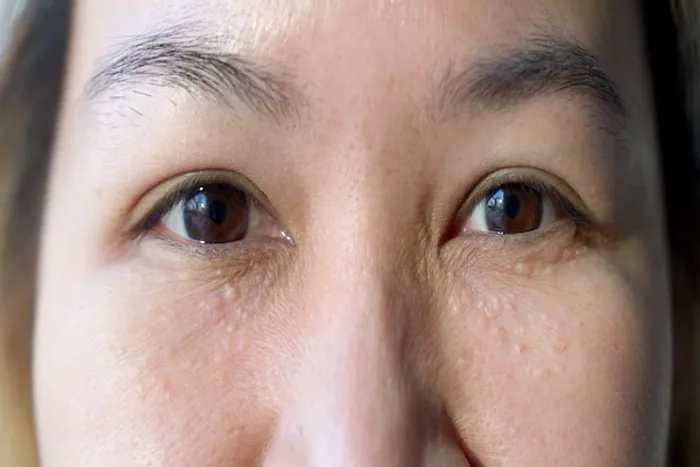
Whiteheads, also known as closed comedones, are one of the most common forms of acne. They occur when oil and dead skin cells clog a pore, and the top remains sealed, forming a small, flesh-coloured or white bump. If you experience them on your face, chest, back or shoulders, you’re certainly not alone. For many people, whiteheads can feel frustrating because they often linger beneath the surface and resist quick fixes.
The good news is that there are practical, safe and evidence-informed whitehead remedies you can start at home. Improving whiteheads is less about harsh exfoliation and more about gentle, consistent routines that keep pores clear and the skin barrier healthy. This expanded guide explains what whiteheads are, the home treatments that genuinely help, the mistakes to avoid, and when it’s time to see a dermatologist for more targeted care. With the right approach and a bit of patience, clearer skin is very achievable.
Consult a Top General Practitioner for Personalised Advice
What are Whiteheads?
Whiteheads form when a pore becomes blocked with oil, dead skin cells and debris, and its opening closes. Because the pore is sealed, the material inside remains light in colour. Understanding the basics helps you choose the right treatments.
- Small, white or skin-coloured bumps under the surface
- Caused by clogged pores and blocked oil glands
- Can appear anywhere, but are common on the face, chin, forehead and nose
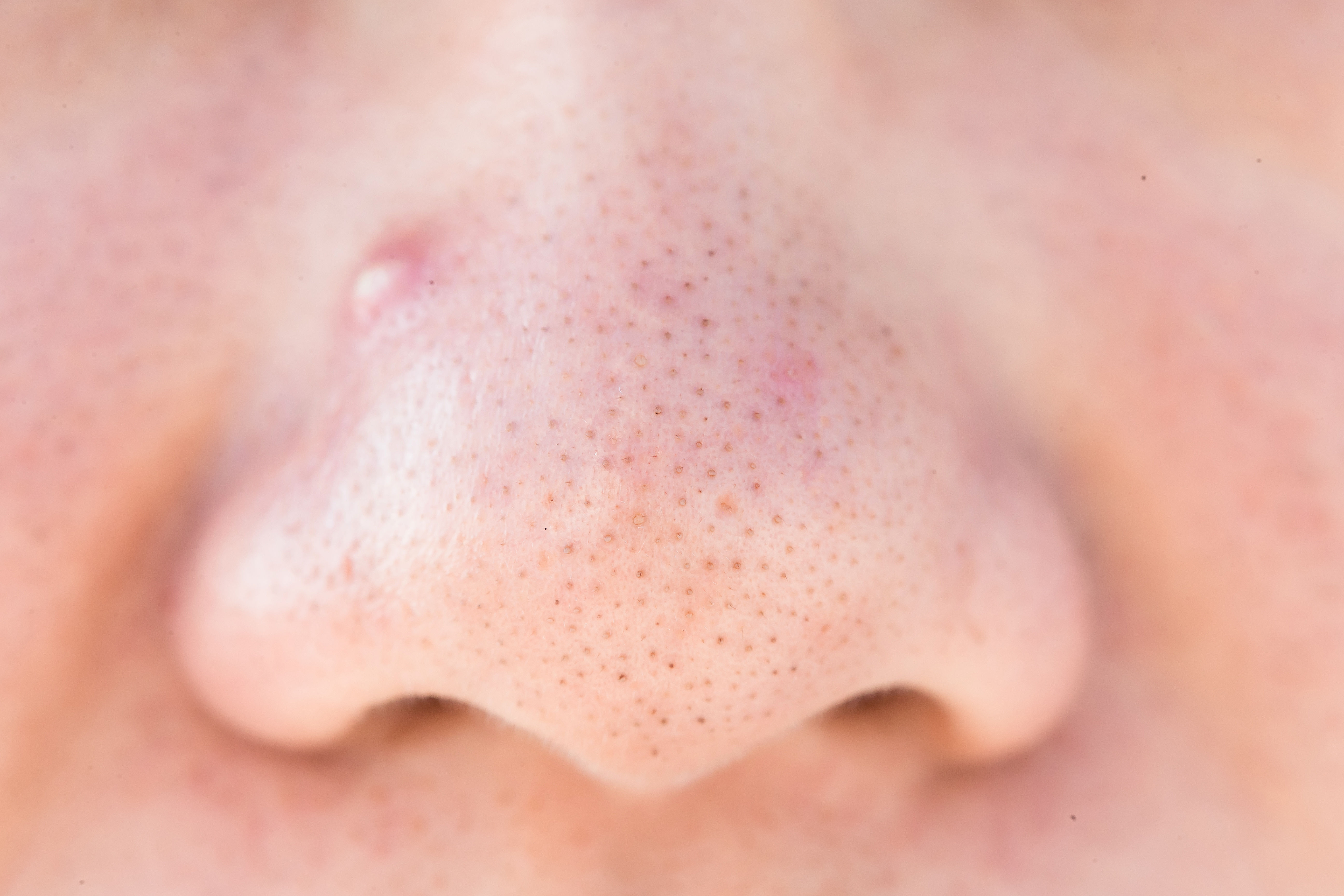
- Different from blackheads, which remain open and darken due to oxidation
- Can progress into inflamed acne if picked, squeezed or irritated
Whiteheads are generally considered a mild form of acne, but when they cluster or persist, they can still affect your confidence and comfort. A gentle, structured routine is the key to managing them well.
Best Whitehead Remedies to Try at Home
Whitehead remedies work best when done consistently. Small daily habits make a noticeable difference over time.
Build a Simple Daily Routine (AM/PM)
Morning
- Cleanser: Use a gentle, non-comedogenic cleanser to remove oil without stripping the skin.
- Treatment: Apply a thin layer of salicylic acid (0.5–2%) if your skin tolerates it.
- Moisturiser: Choose a lightweight, oil-free, non-comedogenic moisturiser.
- Sunscreen: Use a broad-spectrum SPF 30+ every day to protect your skin from irritation and dark marks.
Evening
- Cleanser: Gently cleanse again, especially after sweating or wearing makeup.
- Treatment (pick one to begin with):
- Benzoyl peroxide 2.5–5% to reduce acne-causing bacteria and clogged pores.
- OR adapalene 0.1% gel, a retinoid that prevents the formation of new whiteheads.
- Moisturiser: Reapply a non-comedogenic moisturiser to reinforce your skin barrier. Moisturise before your treatment if you are prone to dryness.
Targeted Over-the-Counter Ingredients That Work
These whitehead remedies have scientific support and can be used together over time, as long as you introduce them slowly.
- Salicylic acid (BHA): Clears pores by removing dead skin cells. Ideal for oily or combination skin.
- Benzoyl peroxide: Targets bacteria, reduces inflammation, and prevents resistance.
- Adapalene (retinoid): Supports cell turnover, preventing clogged pores.
- Niacinamide: Soothes redness and helps regulate oil; not a primary treatment but an excellent supportive ingredient.
Simple At-Home Measures
Whitehead remedies don’t need to be complicated. These simple habits make a big difference:
- Warm compress: Softens debris and supports gentle removal over time—never squeeze.
Ice for tenderness: Reduces swelling and soothes irritated bumps. - Hands off: Touching or squeezing increases scarring and dark marks.
- Clean “high-touch” surfaces: Wipe your phone, change pillowcases twice weekly, and wash hats and helmet liners.
- Check your products: Choose “non-comedogenic”, “oil-free”, or “won’t clog pores” to reduce buildup on the skin.
Lifestyle Tips That May Help
Lifestyle isn’t the root cause of acne, but it can influence flare patterns.
- Diet: Some people see improvements with a low–glycaemic load diet (whole grains, vegetables, legumes) and reduced skimmed dairy. Track your skin for 6–8 weeks.
- Stress: Stress hormones can worsen acne. Gentle exercise, journalling, breathing exercises and good sleep habits help balance the skin.
- Sun exposure: Sun is not a treatment and can worsen post-acne marks. Always use SPF 30+ daily.
A Sample 7-day Starter Plan
Days 1–3
- AM: Gentle cleanse, salicylic acid, moisturiser, SPF 30+.
- PM: Gentle cleanse, moisturiser, adapalene every other night or benzoyl peroxide on alternate nights.
Days 4–7
- Continue as above.
- If dry, apply moisturiser first or add a “rest night” without actives.
Weeks 2–4
- Gradually increase treatment nights as tolerated.
- Continue moisturising consistently.
Weeks 6–8
- Evaluate your skin. Most whitehead remedies need 6–8 weeks for noticeable results.
What to Avoid (Common Myths and Mistakes)?
Avoiding the wrong techniques is just as important as using the right whitehead remedies.
- Harsh scrubs and exfoliating brushes: These can damage the skin barrier and worsen breakouts.
- Toothpaste, lemon juice, baking soda, hydrogen peroxide, and undiluted essential oils: Irritating and not effective treatments.
- Heavy, pore-clogging oils: Especially problematic for acne-prone skin.
- Popping or squeezing whiteheads: Leads to scarring and deeper inflammation.
- Fragrance-heavy or alcohol-based toners: Often trigger irritation and dryness.
What About Natural Options?
Natural treatments may sound appealing, but they should be used carefully.
- Tea tree oil: A 5% gel may help mild acne, but it can still cause irritation or allergies. Patch-test before use and avoid undiluted oils.
- Honey or aloe vera: Soothing options that may support hydration but are not strong enough as primary whitehead remedies.
When to See a Dermatologist?
Professional help is useful when at-home whitehead remedies aren’t enough.
- No improvement after 8–12 weeks of consistent home care.
- Painful, deep cysts or scarring.
- Frequent flare-ups despite a good routine.
- You’re unsure how to combine products.
- You’re pregnant or trying to conceive—retinoids should be avoided.
- Acne is affecting your confidence, mood or daily life.
Dermatologists May Offer:
- Prescription topicals (stronger retinoids, antibiotic-benzoyl peroxide combinations, azelaic acid).
- Short-term oral antibiotics for inflammatory acne.
- Hormonal therapy for suitable candidates.
- Isotretinoin for persistent or severe acne.
- Professional extractions, peels or light therapies.
Safe, Step-by-Step Way to Introduce Treatments
To minimise irritation:
- Add one new product at a time.
- Start low and go slow: every other night for the first 1–2 weeks.
- Use a pea-sized amount for the entire face
- Keep moisturiser and sunscreen part of your daily routine.
Whitehead Remedies to Prevent Future Breakouts
Once your skin starts to improve, maintenance is crucial.
- Continue your routine even after your skin clears.
- Cleanse after workouts.
- Use breathable fabrics and avoid tight clothing on breakout-prone areas.
- Wash makeup brushes weekly.
- Keep hair products away from the face.
Conclusion
Whiteheads are common, manageable and rarely require extreme treatments. By choosing a calm, structured skincare routine and sticking to ingredients that genuinely work, you can gradually reduce clogged pores and prevent new whiteheads from forming. Supporting your skin barrier, protecting your skin from the sun and avoiding irritating “quick fixes” all help create a healthier environment for clearer skin. If home remedies stop being effective or your skin begins to feel painful or inflamed, a dermatologist can offer personalised care and targeted treatments. With patience and consistency, clearer, smoother skin is well within reach.
Consult a Top General Practitioner for Personalised Advice
Consult a Top General Practitioner for Personalised Advice

Dr. Rajib Ghose
General Physician/ Internal Medicine Specialist
25 Years • MBBS
East Midnapore
VIVEKANANDA SEBA SADAN, East Midnapore

Dr. Samir Dasgupta
Internal Medicine Specialist Diabetologist
40 Years • M.B.B.S., M.D. (Internal Medicine)
Kolkata
Apollo Hospitals, Narendrapur, Kolkata, Kolkata

Dr. Ashita Kuruvilla
General Practitioner
7 Years • MBBS
Kolkata
KVC CLINIC, Kolkata

Dr. Pinaki Mukhopadhyay
General Practitioner
33 Years • MBBS
Kolkata
MCR SUPER SPECIALITY POLY CLINIC & PATHOLOGY, Kolkata

(25+ Patients)

Dr. Aakash Shah
General Practitioner
6 Years • MBBS, DNB Emergency Medicine
Delhi
AIIMS, Delhi
Consult a Top General Practitioner for Personalised Advice
Dr. Rajib Ghose
General Physician/ Internal Medicine Specialist
25 Years • MBBS
East Midnapore
VIVEKANANDA SEBA SADAN, East Midnapore
Dr. Samir Dasgupta
Internal Medicine Specialist Diabetologist
40 Years • M.B.B.S., M.D. (Internal Medicine)
Kolkata
Apollo Hospitals, Narendrapur, Kolkata, Kolkata
Dr. Ashita Kuruvilla
General Practitioner
7 Years • MBBS
Kolkata
KVC CLINIC, Kolkata
Dr. Pinaki Mukhopadhyay
General Practitioner
33 Years • MBBS
Kolkata
MCR SUPER SPECIALITY POLY CLINIC & PATHOLOGY, Kolkata
(25+ Patients)
Dr. Aakash Shah
General Practitioner
6 Years • MBBS, DNB Emergency Medicine
Delhi
AIIMS, Delhi
Frequently Asked Questions
Can I pop a whitehead if it looks “ready”?
It’s best not to. Squeezing drives debris deeper, increases inflammation, and can cause scars or dark spots. Use consistent treatments and warm compresses, or see a professional for safe extraction.
How long do home treatments take to work?
Most evidence-based options (salicylic acid, benzoyl peroxide, adapalene) need 6–8 weeks of daily use to show clear improvement. Keep going for at least 12 weeks before judging results.
Which is better for whiteheads: salicylic acid, benzoyl peroxide, or adapalene?
They work differently and can be combined thoughtfully:
- Salicylic acid: Best for keeping pores clear.
- Benzoyl peroxide: Targets acne bacteria and helps prevent resistance.
- Adapalene: Prevents clogs and treats comedones. Many people do best with adapalene at night plus salicylic acid or benzoyl peroxide on alternate nights. Introduce slowly to reduce irritation.
Do diet changes really help?
Diet is not the sole cause of acne, but some people improve with a low–glycemic load pattern and by reducing certain dairy (especially skim). Track your skin for 6–8 weeks after changes. If you have specific nutrition needs, consult a clinician or dietitian.
What should I avoid if I’m pregnant?
Avoid retinoids (oral and topical, including adapalene). Some topical treatments like benzoyl peroxide or small-area salicylic acid may be considered, but always speak with your obstetrician or dermatologist for personalised guidance.