


- Female
- 30 Years
- 22/01/2025
I'm in my second trimester, and my thyroid was detected back in the first trimester. I've been taking medication, but now my thyroid level is 11.7, and I'm really worried about it. I had a second-level ultrasound, and thankfully everything seemed normal, and the baby is doing well. Can you guide me on this and maybe suggest some diet changes that might help with my thyroid condition?

Answered by 1 Apollo Doctors

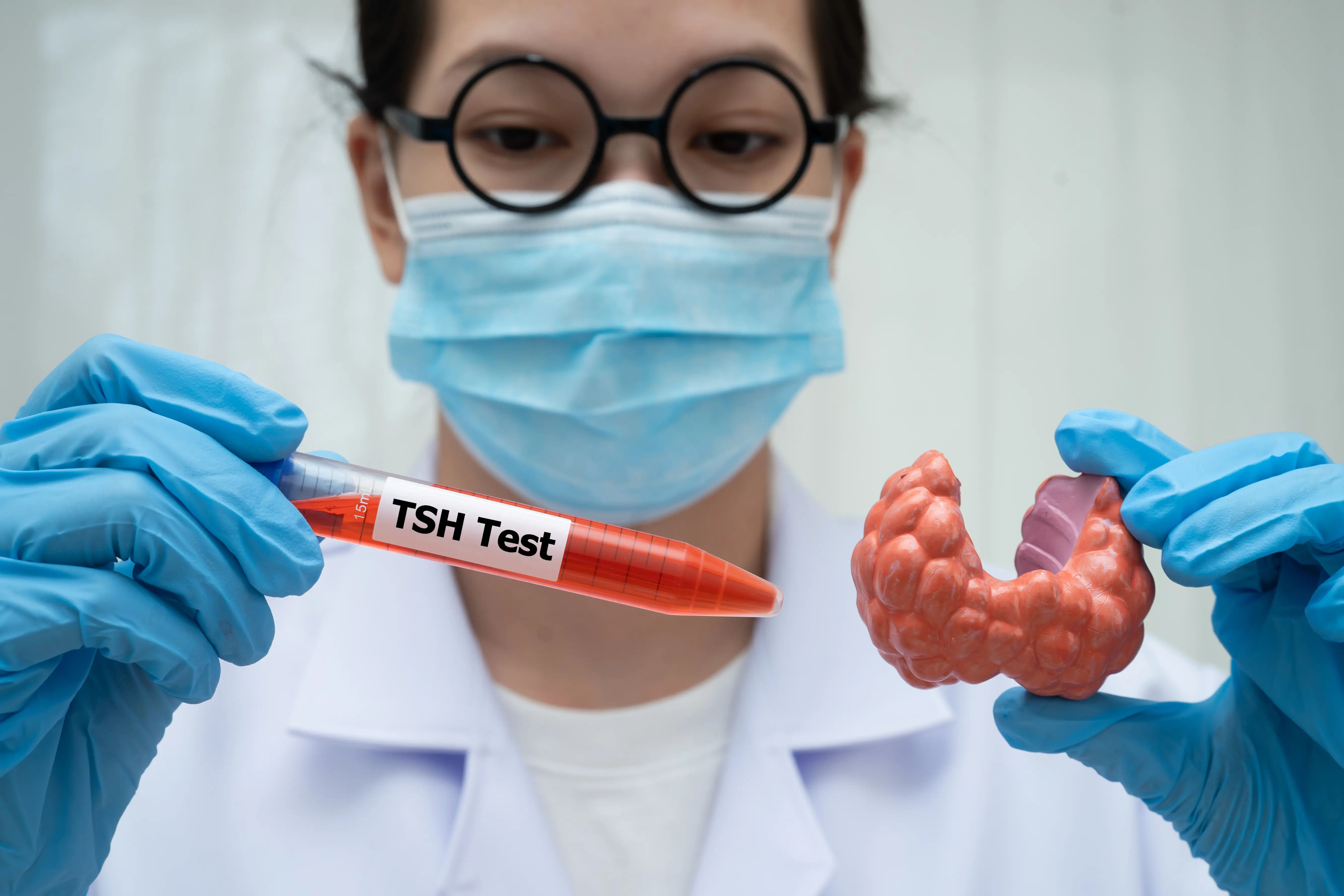
.Well your tsh levels are still high and you definitely need to take treatment for your hypothyroidism..I would suggest you to meet a gynecologist and start the recommended treatment as you are pregnant..You don't have to worry as with the correction you can continue the pregnancy also..
Dr. Ibrahim Suggests...
Consult a Endocrinologist
Answered 04/07/2025
0
0

More Endocrinology Health Queries
View allHey, so I found out I have PCOD on Sunday and I've been put on this tablet called glycomet. Im supposed to take it once daily after lunch. I've got a few things I'm worried about. First, will this tablet make me gain weight? Im already overweight and I dont want to add to it. Also, ever since I started taking it, I feel super bloated and not hungry at allis that normal? I have a feeling it might be because of the tablet. And does it cause heat in the body? My doctor told me to drink three tender coconuts and lots of buttermilk. Is there any specific food I should be avoiding while on this medication? Would love your input!
no


Answered by 1 Apollo Doctors
I'm really worried because my TSH level is 14.33. Is there a way to manage or control this? Should I be concerned, and what steps can I take to bring it down? Would love some advice on what to do next.
_Diabetic Patient's Eligibility for Blood Donation_ Generally, diabetic patients can donate blood, but with certain conditions: _Eligibility Criteria:_ 1. *Controlled diabetes*: Your diabetes must be well-controlled through medication or diet. 2. *Stable medication*: You should be on a stable dose of medication for at least 3-6 months. 3. *No complications*: You should not have any diabetes-related complications, such as kidney disease, nerve damage, or vision problems. _Additional Considerations:_ 1. *Thyroid medication*: This is usually not a concern for blood donation. 2. *Cholesterol and blood pressure medication*: These are typically not a concern if your conditions are well-controlled. 3. *Obesity*: Your body mass index (BMI) will be assessed to ensure it's within a safe range for blood donation. _Blood Group O-ve:_ As an O-ve individual, you have a universal donor type, making your blood highly valuable for transfusions. _Next Steps:_ 1. Consult your doctor to confirm your eligibility for blood donation. 2. Contact a local blood bank or donation center to discuss your specific situation and schedule a donation appointment. Remember, the blood bank or donation center will perform a thorough medical screening before allowing you to donate blood.
Answered by 1 Apollo Doctors
What happens if I miss my thyroid medication one day?
Levothyroxine has longer half-life, so a person would not have much effects if you miss one dose. Take the missed dose as soon as you remember it. However, if it is almost time for the next dose, skip the missed dose and continue your regular dosing schedule. Do not take a double dose to make up for a missed one.
Answered by 1 Apollo Doctors
Health Articles for you
View all


Disclaimer: Answers on Apollo 247 are not intended to replace your doctor advice. Always seek help of a professional doctor in case of an medical emergency or ailment.