- female
- 30 Years
- 01/04/2021
What is the name of family planning operation for female?
Answered by 1 Apollo Doctors
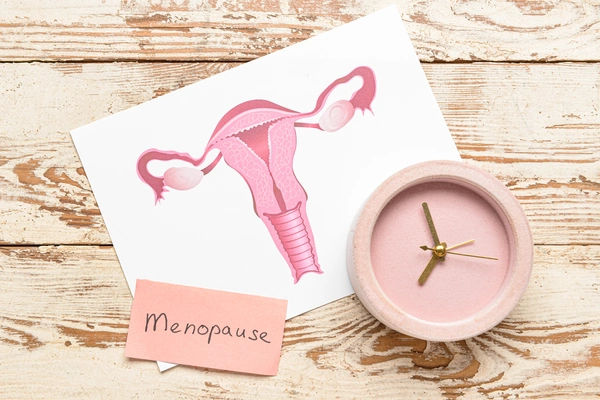
Female sterilisation is also known as Tubal Ligation (TL), or 'tying the tubes'
Dr. Shubham Suggests...
Consult a Obstetrician and Gynaecologist
Answered 04/07/2025
0
0

More Obstetrics & Gynaecology Health Queries
View allWeve been married for 2 years now, but we havent been able to consummate our marriage. We've tried getting physical, but it just hasn't happened, and we're worried because we really want to have a child. Could you advise us on what we might be doing wrong or what steps we can take next?
_Excessive Saliva Production: Possible Causes and Treatment Options_ I understand your frustration, and it's essential to address this issue to improve your quality of life. _Possible Causes:_ 1. _Gastroesophageal reflux disease (GERD)_: Stomach acid flowing back up into the esophagus, stimulating excessive saliva production. 2. _Dental issues_: Gum disease, tooth decay, or poorly fitting dentures can cause excessive saliva production. 3. _Hormonal changes_: Hormonal fluctuations during pregnancy, menopause, or thyroid disorders can lead to increased saliva production. 4. _Medication side effects_: Certain medications, such as anticholinesterases, antihistamines, and decongestants, can cause excessive saliva production. 5. _Neurological disorders_: Conditions like Parkinson's disease, cerebral palsy, or amyotrophic lateral sclerosis (ALS) can affect saliva production. _Food and Drinks to Help:_ 1. _Ginger_: Ginger has natural anti-inflammatory properties that may help reduce saliva production. Consume ginger tea, ginger ale, or add fresh ginger to your meals. 2. _Cinnamon_: Cinnamon can help reduce saliva production and alleviate nausea. Add cinnamon to your food or drink cinnamon tea. 3. _Citrus fruits_: Citrus fruits like lemons, oranges, or grapefruits can help stimulate digestion and reduce saliva production. 4. _Yogurt_: Yogurt contains probiotics that can help regulate digestion and reduce saliva production. _Foods to Avoid:_ 1. _Spicy or acidic foods_: Avoid foods that can irritate your mouth, throat, or stomach, such as citrus fruits, tomatoes, or spicy dishes. 2. _Caffeine_: Caffeine can stimulate saliva production, so limit or avoid caffeinated beverages. _Treatment Options:_ 1. _Consult a doctor_: Schedule an appointment with your primary care physician or a gastroenterologist to rule out underlying medical conditions. 2. _Dental evaluation_: Visit a dentist to check for any dental issues that may be contributing to excessive saliva production. 3. _Medication adjustment_: If you're taking medications that may be causing excessive saliva production, consult your doctor about adjusting your medication regimen. 4. _Saliva-reducing medications_: Your doctor may prescribe medications like glycopyrrolate or scopolamine to help reduce saliva production. Remember to consult a healthcare professional for personalized guidance and treatment.
Answered by 1 Apollo Doctors
I'm 30 weeks pregnant and dealing with a really bad cough and cold. My doctor gave me histarine taxim o and perizole, but I'm worried about whether these are safe for my baby. Can you let me know if I should be taking these?
The medications prescribed by your doctor, Histarine (antihistamine), Taxim-O (cefotaxime, an antibiotic), and Perizole (metoclopramide, an antiemetic), are generally considered safe during pregnancy
Answered by 1 Apollo Doctors
I've been trying to conceive for a year now with no success. I have a 3x3cm intramural fibroid could that be affecting my chances? My first IUI failed, and now my doctor is suggesting fibroid removal. Is this surgery a big procedure, and what's the best option for someone trying to get pregnant?
Yes, many patients with fibroids can get pregnant. But to improve your chances of a healthy pregnancy, it's best to discuss your goals and priorities with your doctor. If fibroids are having an impact on your quality of life, a gynecologic surgeon can discuss treatment options that can help preserve your fertility.
Answered by 1 Apollo Doctors
Disclaimer: Answers on Apollo 247 are not intended to replace your doctor advice. Always seek help of a professional doctor in case of an medical emergency or ailment.