

Diabetes Management
To Avoid Health Complications, This Is How Frequently You Should Check Your Blood Glucose
4 min read
By Apollo 24|7, Published on - 06 June 2022, Updated on - 11 December 2023
Share this article
0
0 like

Testing blood glucose levels is a part and parcel of life for people with diabetes. However, there are many who do not understand the significance of checking fasting and postprandial (after meal) blood glucose levels. Experts say it is important to keep track of your blood glucose levels to avoid complications. But what should be the ideal frequency for testing the glucose levels? The article below answers this question in detail.
Why is it important to check your blood glucose levels regularly?
Regularly testing blood glucose levels can help reveal essential information for the management of diabetes. It can help you:
- Determine whether your blood glucose levels are high or low
- Assess the impact of diabetes medication on your blood glucose levels
- Monitor your progress in achieving your diabetes management goals
- Understand the effects of diet and physical activity on your blood glucose levels
- Evaluate how stress, illness, injury, menopause, etc affect your blood glucose levels
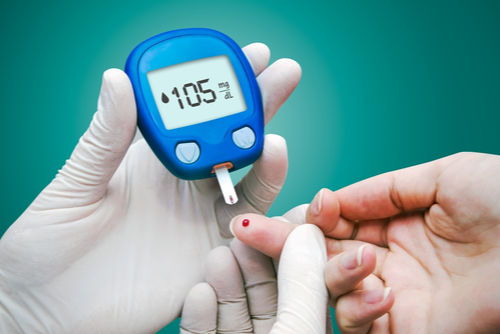
What is the right time to get your blood glucose levels checked?
The frequency of the tests to measure your blood glucose levels usually depends on the diabetes type and your treatment regimen.
1. Type 1 Diabetes: If you have type 1 diabetes then you may have to test your blood glucose levels four to ten times a day. You may have to test your levels:
- Before meals
- Before and after physical activity
- Before going to sleep
- During the night (occasionally)
Sometimes, you may have to test more often if you are ill, have made certain changes to daily regimen, or have started taking new medication.
2. Type 2 Diabetes
People suffering from type 2 diabetes may not require regular blood glucose testing if they are managing the levels effectively with the help of medication, diet and exercise. On the other hand, if the person is using insulin to manage diabetes, then the physician may recommend testing multiple times a day. However, the frequency of testing depends on the type and amount of insulin that you use.
If you are taking multiple insulin shots over the course of the day, blood glucose testing is usually recommended before meals and at bedtime. Those taking intermediate or long-acting insulin may only have to test their blood glucose levels prior to breakfast and before going to bed.
What should be your target blood glucose levels?
Generally, the target blood glucose levels should be:
- Fasting (before meals): 80 to 130 milligrams per deciliter (mg/dL)
- After having a meal: Not more than 180 mg/dL
However, your target blood glucose range can vary from the aforementioned range. Factors that may affect your target range include:
- Type and severity of diabetes
- Age
- Duration of your diabetes
- Your pregnancy states
- Preexisting diabetes complications
- Presence of other chronic conditions
People aged 60 years and above and those with serious medical conditions such as heart disease, kidney disease, or lung disease may have slightly higher target blood glucose level goals.
How to maintain healthy blood glucose levels?
It is quintessential to follow a nutritious, low-calorie diet in order to keep fasting blood glucose levels under control. Some of the steps that can help you maintain your levels within the target range include:
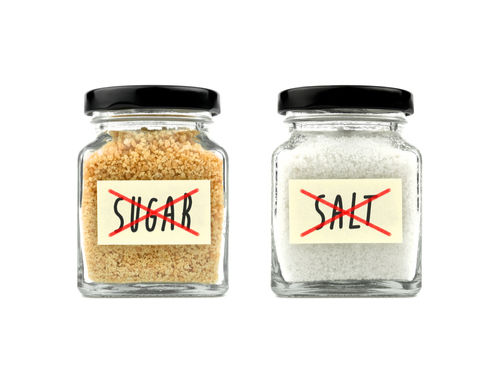
- Reduce intake of sugar and sodium (salt)
- Replace processed foods with whole grains
- Consume more fibre, protein-rich, and non-starchy vegetables such as broccoli, cucumber, carrots, and cauliflower.
However, it is also important to ensure that your blood glucose levels do not fall dangerously low. Therefore, you must follow certain measures to prevent a steep decline in your blood glucose level:
- Have small, regular meals throughout the day
- Increase food intake if you exercise
- Limit intake of alcoholic beverages

- Talk to a physician if a pre-existing condition is making it difficult to control blood glucose levels
If you have diabetes, testing blood glucose levels is crucial for you. Testing can inform you whether your blood glucose levels are within the normal range. It can also be used to monitor the effectiveness of medications, diet, and exercise in managing diabetes. Once you know how many times you need to get tested, you must ensure that your blood glucose levels remain within the target range. It must be noted that every diabetic can have a different target range, therefore, you must consult your physician for the same.
You can also try the Apollo 24|7 Diabetes Self-Management Tool to log your sugar values, track patterns, know all about food nutrition and more.


Diabetes Management
Consult Top Diabetologists
View All


Leave Comment
Recommended for you
.jpg?tr=q-80,f-webp,w-350,dpr-6,c-at_max)
Diabetes Management
Natural Disaster Preparedness Tips for Diabetics
Managing diabetes during a natural disaster is a challenge, but with the right preparation, you can maintain control over your health. Establish a diabetes emergency kit, strategise effective medication storage, prepare for possible evacuation and stay informed about weather updates. The Apollo Super 6 programme prioritises personalisation and proactive management for efficient diabetes control in every scenario. Prepare for the unexpected today.
.jpg?tr=q-80,f-webp,w-350,dpr-6,c-at_max)
Diabetes Management
Jaggery and Diabetes: Safe Substitute for Sugar?
While jaggery may seem like a healthier alternative to refined sugar, it's not recommended for individuals with diabetes. High in sugars and with a high GI, jaggery can still cause spikes in blood glucose levels. Consider alternative sweeteners such as stevia or low-GI fruits to satiate sweet cravings, and remember to maintain a balanced diet. Seek professional advice for personalised dietary guidance and consider enrolling in programmes like the Apollo Super 6 for comprehensive diabetes management.
.jpg?tr=q-80,f-webp,w-350,dpr-6,c-at_max)
Diabetes Management
Grapes and Diabetes: A Nutritional Guide
Grapes can indeed fit into a balanced diet for those managing diabetes. With a medium glycemic index and rich in vitamins A, C, and K, and minerals like copper, manganese, and potassium, they offer several nutritional benefits. Plus, 100 grams of grapes contain about 69 calories, making them a good option if you're watching your calorie intake. Join us in the Apollo Super 6 programme to learn more about balancing your meal plate for improved diabetic control.
Subscribe
Sign up for our free Health Library Daily Newsletter
Get doctor-approved health tips, news, and more.
Visual Stories

8 Fruits That are Incredibly Healthy for Diabetes
Tap to continue exploring
Recommended for you
Diabetes Management
Natural Disaster Preparedness Tips for Diabetics
Managing diabetes during a natural disaster is a challenge, but with the right preparation, you can maintain control over your health. Establish a diabetes emergency kit, strategise effective medication storage, prepare for possible evacuation and stay informed about weather updates. The Apollo Super 6 programme prioritises personalisation and proactive management for efficient diabetes control in every scenario. Prepare for the unexpected today.
Diabetes Management
Jaggery and Diabetes: Safe Substitute for Sugar?
While jaggery may seem like a healthier alternative to refined sugar, it's not recommended for individuals with diabetes. High in sugars and with a high GI, jaggery can still cause spikes in blood glucose levels. Consider alternative sweeteners such as stevia or low-GI fruits to satiate sweet cravings, and remember to maintain a balanced diet. Seek professional advice for personalised dietary guidance and consider enrolling in programmes like the Apollo Super 6 for comprehensive diabetes management.
Diabetes Management
Grapes and Diabetes: A Nutritional Guide
Grapes can indeed fit into a balanced diet for those managing diabetes. With a medium glycemic index and rich in vitamins A, C, and K, and minerals like copper, manganese, and potassium, they offer several nutritional benefits. Plus, 100 grams of grapes contain about 69 calories, making them a good option if you're watching your calorie intake. Join us in the Apollo Super 6 programme to learn more about balancing your meal plate for improved diabetic control.