

Renal Function Test For The Diabetics & Elderly
Discover the importance of Renal Function Tests for diabetics and the elderly. Compare top packages to monitor kidney health effectively and prevent complications.

Written by Dr. Rohinipriyanka Pondugula
Reviewed by Dr. Shaik Abdul Kalam MD (Physician)
Last updated on 9th Sep, 2025
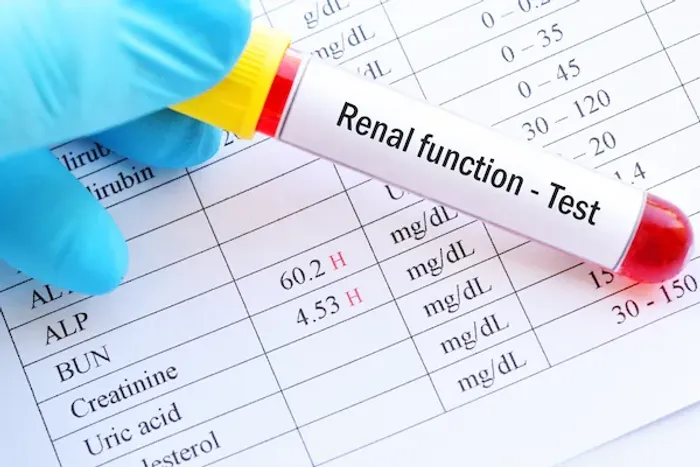
Your kidneys perform essential tasks every day. They filter waste from your blood, balance fluids and minerals, and help regulate blood pressure and other vital functions. Yet kidney problems often develop slowly and without obvious symptoms, making them easy to miss until serious damage has occurred.
People with diabetes and adults over 50 face a higher risk of kidney disease due to long-term blood sugar changes and age-related decline in kidney function. A Renal Function Test (RFT) is a simple and reliable way to check how well your kidneys are working. This guide will walk you through what the test includes, why it matters for high-risk groups, and how early detection can help protect both your kidney and heart health for the long term.
Understanding the Role of Your Kidneys
Your kidneys are two bean-shaped organs located just below your rib cage on either side of your spine. Though small in size, they perform powerful tasks that are essential to your health.
Each day, your kidneys filter large amounts of blood to remove waste products like urea and creatinine. These wastes, along with excess water and salts, are excreted as urine. At the same time, your kidneys help your body retain important substances such as proteins, glucose, and minerals.
In addition to filtering blood, your kidneys also:
- Regulate blood pressure by producing hormones that help control fluid balance and blood vessel tone
- Support red blood cell production by releasing erythropoietin, a hormone that signals the bone marrow
- Activate vitamin D, which helps your body absorb calcium and maintain strong bones
- Balance electrolytes such as sodium, potassium, and calcium, which are essential for nerve, muscle, and heart function
- Because your kidneys influence so many systems in the body, even mild damage can affect your overall health. That’s why understanding their role and monitoring their function, especially if you are at higher risk, is so important.
Why Diabetics and Older Adults Are at Higher Risk for Kidney Disease?
People with diabetes and adults over the age of 50 face a significantly higher risk of developing kidney problems. This increased vulnerability is due to a combination of long-term metabolic changes, age-related decline in kidney function, and the presence of other health conditions that often accompany ageing.
- For People with Diabetes: High blood sugar levels over time can damage the small blood vessels in the kidneys, a condition known as diabetic nephropathy. This damage reduces the kidneys’ ability to filter waste effectively. Diabetes is also commonly associated with high blood pressure, which puts additional strain on the kidneys and accelerates their decline. Because kidney damage in diabetes often progresses silently, many individuals do not experience symptoms until the condition is advanced.
- For Older Adults: As we age, kidney function naturally declines. Starting around age 40, the number of filtering units in the kidneys (called nephrons) begins to decrease. Older adults are also more likely to have multiple chronic conditions, such as hypertension or heart disease, and may take medications that affect kidney function. These factors, combined with reduced physiological resilience, make the kidneys more susceptible to injury or disease.
Regular monitoring through Renal Function Tests (RFTs) is especially important for these groups. Early detection allows for timely intervention, helping to slow disease progression and reduce the risk of complications affecting both kidney and heart health.
What Is a Renal Function Test?
A Renal Function Test (RFT), also known as a Kidney Function Test (KFT), is a group of blood and urine tests that evaluate how well your kidneys are working. These tests help detect early signs of kidney damage, monitor ongoing kidney conditions, and guide treatment decisions. They are especially important for people with diabetes, high blood pressure, or those over the age of 50.
Apollo 24|7 offers an RFT Test that includes 14 essential parameters. Together, these tests provide a detailed overview of your kidney health:
- Creatinine, Serum: Measures a waste product from muscle metabolism. High levels may indicate reduced kidney filtration.
- Estimated Glomerular Filtration Rate (eGFR): Calculates how efficiently your kidneys are filtering blood. Lower values suggest impaired kidney function.
- Urea: A byproduct of protein breakdown. Elevated levels may signal kidney stress or dehydration.
- Blood Urea Nitrogen (BUN): Measures nitrogen in the blood from urea. High levels can reflect reduced kidney function.
- Uric Acid, Serum: Elevated levels may be linked to kidney dysfunction or gout.
- Calcium, Serum: Important for bone and muscle health. Abnormal levels may indicate kidney or parathyroid issues.
- Phosphorus, Inorganic – Serum: Helps assess bone and kidney health. Imbalances are common in chronic kidney disease.
- Sodium, Potassium, and Chloride – Serum: These electrolytes are regulated by the kidneys and are essential for fluid balance, nerve signals, and muscle function.
- Protein, Total – Serum: Measures the total amount of protein in the blood. Low levels may suggest kidney or liver issues.
- Albumin – Serum: A key protein that helps maintain fluid balance. Low levels can indicate kidney damage.
- Globulin: A group of proteins involved in immune function. Abnormal levels may reflect chronic inflammation or kidney disease.
- A/G Ratio (Albumin/Globulin Ratio): Compares two major protein groups to help evaluate liver and kidney function.
This comprehensive panel helps identify kidney issues early, often before symptoms appear, and supports timely medical care.
Top Renal Function Test Packages at Apollo 24|7
Taking care of your kidney health becomes even more important as you age or if you're living with diabetes. That’s why choosing a dependable diagnostic provider is key. Apollo 24|7 has earned a strong reputation for offering a wide range of kidney checkup packages tailored to meet different needs. Whether you're looking for a basic check-up or a more detailed assessment, their offerings are designed to help you stay ahead of potential issues.
With a focus on accuracy, convenience, and clear reporting, Apollo 24|7 makes it easy to take charge of your health. All tests are conducted in NABL-accredited labs, ensuring high-quality results you can trust. Here’s a look at some of their most popular kidney checkup packages, designed to give you a clear picture of your renal health with minimal hassle:
- Apollo Kidney Check – Basic (21 Tests Included): The Basic package is a reliable starting point for monitoring your kidney health. It consists of 21 essential tests that assess basic kidney function and help identify early warning signs of potential issues. This kidney checkup package is well-suited for routine health checks, especially for individuals with risk factors such as diabetes, high blood pressure, or a family history of kidney disease.
- KFT with Electrolytes (14 Tests Included): This essential package focuses on core kidney function test (KFT) markers, including urea, creatinine, and vital electrolytes (such as sodium, potassium, and chloride). It is highly recommended for targeted monitoring of your kidneys' filtering capacity and electrolyte balance, with results often available very quickly.
- Apollo Kidney Check – Essential (63 Tests Included): Building upon the basic checks, this comprehensive package offers a more extensive evaluation. It typically includes core RFT/KFT tests (such as serum creatinine, eGFR, and urea) alongside other general health markers, making it ideal for a deeper insight into your kidney health as part of a broader assessment.
- Apollo Kidney Check – Advance (70 Tests Included): Tailored specifically for diabetics or individuals with multiple risk factors, this advanced panel goes further. It typically includes crucial urine tests like microalbumin-to-creatinine ratio (ACR), a key marker for early detection of diabetic kidney disease, alongside fasting glucose and other advanced metabolic and kidney health indicators. Please note that this package may require 10-12 hours of fasting.
Each of these packages is meticulously designed to provide accurate and actionable insights into your kidney health. Apollo 24|7 also offers the added convenience of home sample collection and prompt delivery of NABL-accredited reports digitally, making the entire process seamless and efficient for adults, particularly the elderly, seeking proactive health management. For detailed pricing and to choose the package that best aligns with your individual health goals, you can visit the Apollo 24|7 website.

Conclusion
Regular kidney screening is one of the most important steps diabetics and older adults can take to protect their long-term health. Because kidney disease often develops without symptoms, many people are unaware of any problem until significant damage has occurred. A Renal Function Test (RFT) offers a simple, reliable way to detect early signs of kidney stress, allowing for timely intervention that can prevent complications and support both kidney and heart health.
With trusted diagnostic providers like Apollo 24|7 offering comprehensive and accessible test packages, staying proactive has never been easier. Whether you're managing diabetes, navigating the effects of ageing, or simply prioritising preventive care, regular RFTs can help you stay ahead of potential issues and maintain a healthier, more confident future.