

Diagnostic Item: Beta Thalassemia Test
Learn about the Beta Thalassemia test, its types, process, and what results mean. Understand who should get tested, treatment options, and genetic counseling for better family planning.

Written by Dr. Dhankecha Mayank Dineshbhai
Reviewed by Dr. Md Yusuf Shareef MBBS, Advanced Certificate Course in Dermatology
Last updated on 1st Sep, 2025
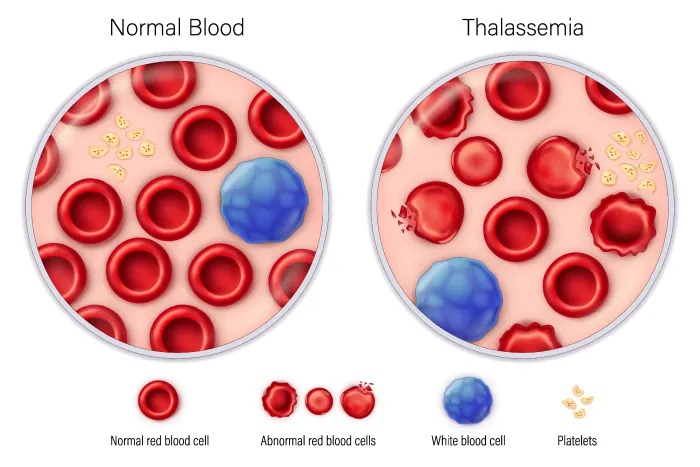
If you or a loved one has been advised to take a Beta Thalassemia test, you may have questions about what it is, why it’s needed, and what to expect. This article will guide you through everything you need to know in simple, easy-to-understand terms.
What is Beta Thalassemia?
Beta Thalassemia is a genetic blood disorder that affects the production of hemoglobin, the protein in red blood cells that carries oxygen throughout the body. People with this condition have fewer healthy red blood cells and may experience anemia (low hemoglobin levels), fatigue, weakness, and other complications.
There are different types of Beta Thalassemia:
- Beta Thalassemia Minor (Trait): Mild or no symptoms; carriers may pass it to their children.
- Beta Thalassemia Major (Cooley’s Anemia): Severe form requiring lifelong treatment.
- Beta Thalassemia Intermedia: Moderate symptoms, less severe than Major.
Why is a Beta Thalassemia Test Important?
Testing helps:
- Confirm diagnosis if symptoms suggest Thalassemia.
- Identify carriers (people who don’t have symptoms but can pass it to their children).
- Guide treatment plans for those with severe forms.
- Assist in family planning to understand risks for future children.
Who Should Get Tested?
You may need a Beta Thalassemia test if:
- You have symptoms like fatigue, pale skin, or frequent infections.
- Your routine blood tests show low hemoglobin or small red blood cells.
- There’s a family history of Thalassemia.
- You’re planning a pregnancy and want to check genetic risks.
Types of Beta Thalassemia Tests
1. Complete Blood Count (CBC) Test
- Checks hemoglobin levels, red blood cell size, and count.
- Low hemoglobin and small red blood cells may suggest Thalassemia.
2. Hemoglobin Electrophoresis
- Measures different types of hemoglobin (HbA, HbA2, HbF).
- Helps confirm Beta Thalassemia and determine its type.
3. DNA (Genetic) Testing
- Identifies mutations in the HBB gene responsible for Beta Thalassemia.
- Used for carrier screening and prenatal diagnosis.
4. Prenatal Testing
Chorionic Villus Sampling (CVS) or Amniocentesis can detect Thalassemia in an unborn baby if parents are carriers.
What to Expect During the Test?
The process is simple and quick:
- Blood Sample: Most tests require a small blood draw from your arm.
- No Fasting Needed: You can eat and drink normally before the test.
- Painless: Only a slight pinch during blood collection.
Results Time:
- CBC & Hemoglobin Electrophoresis: 1-2 days.
- DNA Testing: 1-2 weeks.
Understanding Your Test Results
- Normal Result: No Thalassemia.
- Carrier (Minor/Trait): You don’t have symptoms but can pass it to children.
- Major/Intermedia: You may need treatment like blood transfusions.
What If You’re a Carrier or Diagnosed?
For Carriers (Beta Thalassemia Minor)
- You don’t need treatment but should inform your doctor.
- If planning a family, genetic counseling is recommended.
- For Beta Thalassemia Major/Intermedia
- Regular blood transfusions may be needed.
- Iron chelation therapy to remove excess iron from transfusions.
- Bone marrow transplant (in some cases).
Lifestyle & Diet Tips for Managing Thalassemia
- Eat Iron-Rich Foods (if not on transfusions): Spinach, lentils, nuts.
- Avoid Excess Iron (if on transfusions): Limit red meat, iron supplements.
- Stay Hydrated: Helps prevent complications.
- Folic Acid Supplements: Supports red blood cell production.
- Regular Check-ups: Monitor hemoglobin and iron levels.
When to See a Doctor?
Consult a hematologist (blood specialist) if:
- You have unexplained fatigue, weakness, or pale skin.
- Your child shows slow growth or frequent infections.
- You’re planning a pregnancy and have a family history.
Book a Beta Thalassemia Test with Apollo 24|7
If you need testing or expert advice, Apollo 24|7 offers:
- Easy online appointment booking
- Home sample collection (if available)
- Expert doctors for consultation
- Call now or book online for a hassle-free experience!
Consult a Specialist for Personalised Advice
Final Thoughts
Beta Thalassemia is a manageable condition with the right care. Early testing helps in timely diagnosis and treatment, improving quality of life. If you suspect you or a family member may have it, don’t hesitate to get tested.

Consult a Specialist for Personalised Advice


Dr. Chaithra H
General Physician/ Internal Medicine Specialist
6 Years • MBBS, MD General Medicine, DNB General Medicine
Bangalore
Apollo 24|7 Clinic - Karnataka, Bangalore

Dr. Suraja Nutulapati
General Physician/ Internal Medicine Specialist
10 Years • MBBS, MD (Internal Medicine)
Hyderabad
Apollo 24|7 Clinic, Hyderabad

(1075+ Patients)

Dr. Siri Nallapu
General Practitioner
5 Years • MBBS
Hyderabad
Apollo 24|7 Clinic, Hyderabad

Dr. Lakshmi Sanjitha Kakani
General Physician/ Internal Medicine Specialist
6 Years • MBBS, MD (General Medicine)
Visakhapatnam
Apollo 24|7 Clinic - Andhra Pradesh, Visakhapatnam

Dr. Mohammed Kamran
General Practitioner
5 Years • MBBS, FIDM
Nashik
Apollo 24|7 Clinic - Maharashtra, Nashik