

Understanding CBC Test and Preparation Methods
Discover what a CBC (Complete Blood Count) Test is, why it’s important, and how to prepare for it. Learn about its role in detecting health conditions and monitoring overall wellness.

Written by
Last updated on 5th Sep, 2025
.webp?tr=q-80,f-webp,w-350,dpr-2,c-at_max 700w)
Introduction
When you visit a doctor for a health check-up, one of the most common tests they may recommend is a Complete Blood Count (CBC) test. This simple blood test provides valuable information about your overall health and helps detect a wide range of conditions, from infections to anaemia and even more serious illnesses.
If you’re scheduled for a CBC test, you might have questions like what does this test measure?, how should I prepare for it? and what do the results mean?
Don’t worry; this article will guide you through everything you need to know in simple, easy-to-understand terms.
What is a CBC Test?
A Complete Blood Count (CBC) is a blood test that measures different components of your blood, including:
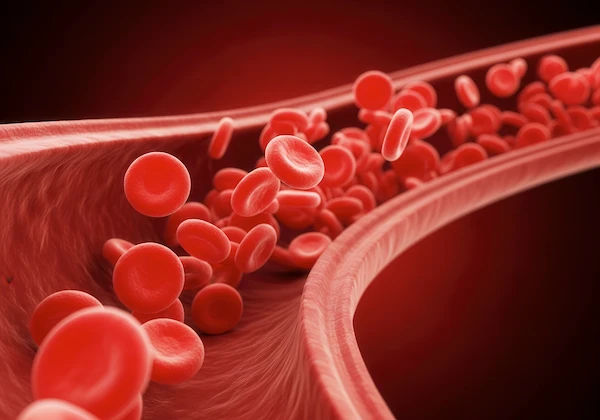
1. Red Blood Cells (RBCs) – Carry oxygen throughout your body.
2. White Blood Cells (WBCs) – Help fight infections.
3. Haemoglobin (Hb) – A protein in RBCs that carries oxygen.
4. Hematocrit (Hct) – The proportion of RBCs in your blood.
5. Platelets – Help in blood clotting.
By analyzing these components, doctors can assess your general health, detect infections, diagnose anaemia, monitor blood disorders, and even check for signs of chronic diseases.
Why is a CBC Test Done?
Your doctor may recommend a CBC test for various reasons, such as:
- Routine Check-up – To assess overall health.
- Unexplained Fatigue or Weakness – To check for anaemia.
- Frequent Infections – To evaluate immune function.
- Bleeding or Bruising Easily – To check platelet levels.
- Monitoring Chronic Conditions – Like leukemia or vitamin deficiencies.
- Before Surgery – To ensure safe blood levels.
How to Prepare for a CBC Test?
The good news is that a CBC test usually requires little to no special preparation. However, here’s what you should know:
1. Fasting Requirements
- Most CBC tests do not require fasting.
- However, if your doctor has ordered additional tests (like blood sugar or cholesterol), you may need to fast for 8-12 hours. Always confirm with your healthcare provider.
2. Medications & Supplements
- Some medications (like blood thinners) can affect results.
- Inform your doctor about any medicines or supplements you’re taking.
3. Stay Hydrated
Drinking water before the test helps make veins easier to locate.
4. Wear Comfortable Clothing
A short-sleeved shirt makes blood drawing easier.
5. Relax Before the Test
Stress can temporarily alter blood cell counts, so stay calm.
What Happens During the Test?
The process is quick and simple:
1. A healthcare professional will clean your arm (usually near the elbow).
2. A small needle will be inserted to draw blood (takes less than a minute).
3. The blood sample is sent to a lab for analysis.
4. Results are usually available within 24-48 hours.
Does it hurt? You may feel a slight pinch, but discomfort is minimal.
Understanding Your CBC Test Results
Your report will show numbers for different blood components. Here’s a basic breakdown:
If your results are abnormal, your doctor will explain what they mean and suggest further tests if needed.
Get Your Health Assessed
Tips for Healthy Blood Levels
If your CBC results show minor imbalances, these lifestyle changes can help:
1. For Low Haemoglobin (Anaemia)
- Eat iron-rich foods (spinach, lentils, red meat).
- Increase vitamin C (helps iron absorption).
- Avoid excessive tea/coffee with meals (blocks iron absorption).
2. For Weak Immunity (Low WBCs)
- Get enough sleep (7-9 hours).
- Eat protein-rich foods (eggs, fish, beans).
- Exercise moderately (boosts immunity).
3. For High WBCs (Possible Infection)
- Stay hydrated.
- Rest and follow your doctor’s advice.
4. For Low Platelets
- Avoid injuries (bruising/bleeding risk).
- Eat vitamin K-rich foods (leafy greens).
When to See a Doctor?
Most CBC abnormalities are minor, but consult your doctor if you experience:
- Extreme fatigue or dizziness
- Unexplained bruising/bleeding
- Frequent infections
- Sudden weight loss
If you need a CBC test, you can easily book a lab test or consult a doctor online through Apollo 24|7 for quick and reliable results.
Final Thoughts
A CBC test is a simple yet powerful tool to monitor your health. With minimal preparation and quick results, it helps detect potential issues early. If your doctor recommends it, don’t hesitate; getting tested is the first step toward better health!
Consult a Haematologist for the best advice
Consult a Haematologist for the best advice

Dr Abilash Jain
General Physician/ Internal Medicine Specialist
12 Years • MBBS,DNB(FM),MNAMS,FIAMS,CCGMG(GERIATRICS),DGM (GERIATRICS),PGCD(DIABETES,BOSTON UNIVERSITY),FID(DIABETICS UK)CCEPC(PALLIATIVE CARE),CCCC(CRITICAL CARE)
Visakhapatnam
Apollo Clinic Vizag, Visakhapatnam

Dr. E Prabhakar Sastry
General Physician/ Internal Medicine Specialist
40 Years • MD(Internal Medicine)
Manikonda Jagir
Apollo Clinic, Manikonda, Manikonda Jagir

(200+ Patients)

Dr. Ramalinga Reddy
General Physician
5 Years • MBBS MD General medicine
Bengaluru
PRESTIGE SHANTHINIKETAN - SOCIETY CLINIC, Bengaluru

Dr. Thorana Prakash M
General Physician
2 Years • MBBS
Bengaluru
PRESTIGE SHANTHINIKETAN - SOCIETY CLINIC, Bengaluru

Dr. Sushith C
General Physician
2 Years • MBBS
Bengaluru
PRESTIGE SHANTHINIKETAN - SOCIETY CLINIC, Bengaluru

.webp)
.webp)