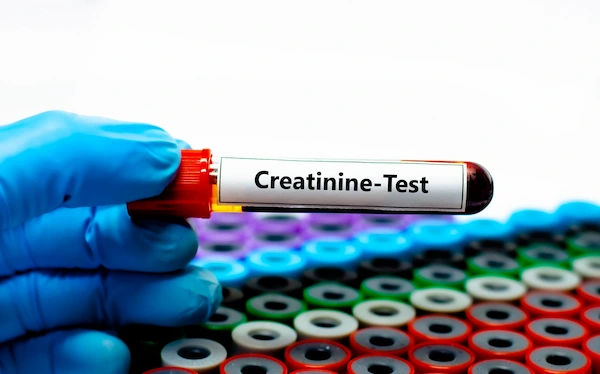
Creatinine Level 1.35: What It Means
Know what it means when creatinine levels are 1.35 mg/dL. Identify the symptoms, causes and learn how to reduce the creatinine levels naturally.


Introduction
If you’ve recently had a blood test and your creatinine level is 1.35 mg/dL, you might be wondering what this means for your health. Don’t worry—this article will help you understand what creatinine is, why it matters, and what steps you can take to keep your kidneys healthy.
What Is Creatinine?
Creatinine is a waste product that comes from the normal breakdown of muscles in your body. Your kidneys filter it out of your blood and remove it through urine. Measuring creatinine levels helps doctors assess how well your kidneys are working.
Normal Range:
- Men: 0.7 – 1.3 mg/dL
- Women: 0.6 – 1.1 mg/dL
A level of 1.35 mg/dL is slightly above the normal range, which could indicate mild kidney stress or other factors affecting kidney function.
What Does a Creatinine Level of 1.35 Mean?
A creatinine level of 1.35 mg/dL may suggest:
- Early kidney dysfunction
Your kidneys may not be filtering waste as efficiently as they should. - Dehydration
Not drinking enough water can temporarily raise creatinine levels. - High protein intake
Eating too much meat or protein supplements can increase creatinine levels. - Muscle mass
Athletes or very muscular individuals may naturally have higher creatinine. - Medications
Some drugs (like certain antibiotics or painkillers) can affect kidney function.
While a slight elevation isn’t always alarming, it’s important to monitor it and discuss it with your doctor.
Symptoms to Watch For
If your kidneys aren’t working optimally, you might experience:
- Fatigue or weakness
- Swelling in feet, ankles, or face (oedema)
- Changes in urination (foamy, dark, or less urine)
- High blood pressure
- Nausea or loss of appetite
If you notice these symptoms, consult a doctor for further evaluation.
Possible Causes of High Creatinine
Several factors can contribute to elevated creatinine levels:
- Kidney Disease
Chronic kidney disease (CKD) or acute kidney injury (AKI) can impair filtration. - Dehydration
Low fluid intake reduces kidney efficiency. - High-Protein Diet
Excess protein increases creatinine production. - Strenuous Exercise
Intense workouts can temporarily raise creatinine. - Certain Medications
NSAIDs (like ibuprofen), some antibiotics, and blood pressure drugs may affect the kidneys. - Infections or Blockages
UTIs or kidney stones can impact kidney function.
Consult Top Nephrology Doctors for Best Advice
How to Lower Creatinine Levels Naturally?
If your creatinine is slightly high, these lifestyle changes may help:
1. Stay Hydrated
- Drink 8-10 glasses of water daily unless advised otherwise by a doctor.
- Avoid excessive caffeine and alcohol, which can dehydrate you.
2. Eat a Kidney-Friendly Diet
Reduce salt
Excess sodium strains the kidneys.
Limit protein
Cut back on red meat, eggs, and dairy if levels are high.
Eat more fibre
Fruits, vegetables, and whole grains support kidney health.
Avoid processed foods
They often contain hidden salts and additives.
3. Exercise Moderately
- Avoid extreme workouts that increase muscle breakdown.
- Opt for walking, yoga, or light cardio instead.
4. Manage Underlying Conditions
- Control diabetes and high blood pressure, as they harm the kidneys over time.
- Avoid unnecessary painkillers like NSAIDs
5. Herbal Support
- Consult a Doctor First. Some natural remedies, like nettle leaf tea or cinnamon, may help, but check with your doctor before trying them.
When to See a Doctor?
If your creatinine level is 1.35 mg/dL, your doctor may recommend:
- Repeat tests
To confirm if levels stay elevated. - Urine tests
To check for protein or other abnormalities. - Kidney function tests (eGFR)
Measures how well your kidneys filter waste. - Ultrasound or scans
If structural issues are suspected.
Seek immediate medical attention if you have:
- Severe swelling
- Difficulty urinating
- Extreme fatigue or confusion
Can Apollo 24|7 Help?
If you’re concerned about your creatinine levels, Apollo 24|7 offers:
- Online doctor consultations – Discuss your results with a nephrologist or general physician.
- Home blood tests – Get kidney function tests done conveniently.
- Personalised health plans – Receive guidance on diet and lifestyle changes.
You can easily book a consultation or lab test through the Apollo 24|7 app or website.
Final Thoughts
A creatinine level of 1.35 mg/dL is slightly elevated but not necessarily dangerous. It could be due to dehydration, diet, or early kidney changes. By staying hydrated, eating wisely, and monitoring your health, you can support your kidneys.
Consult Top Nephrology Doctors for Best Advice
Consult Top Nephrology Doctors for Best Advice

Dr. Rajesh Pk
Nephrologist
15 Years • MBBS, MD, MRCP (UK), DM
Kannur
Apollo Clinic Kannur, Kannur

Dr Gayatri Pegu
Nephrologist
15 Years • MD (General Medicine) DM(Nephrology)
Guwahati
Apollo Clinic Guwahati, Assam, Guwahati

Dr Madhav Desai
Nephrologist
22 Years • MBBS, MD, DM (Nephrology)
Bengaluru
Apollo Medical Center, Marathahalli, Bengaluru

Dr. Sandeep Morkhandikar
Nephrologist
18 Years • MBBS, DNB, DM ( Nephrology)
Pune
Apollo Clinic, Viman Nagar, Pune

Dr. Ganesh Yallabandi
Nephrologist
4 Years • DRNB – Nephrology,
Hyderabad
Apollo Clinic Chanda Nagar, Hyderabad
Consult Top Nephrology Doctors for Best Advice
Dr. Rajesh Pk
Nephrologist
15 Years • MBBS, MD, MRCP (UK), DM
Kannur
Apollo Clinic Kannur, Kannur
Dr Gayatri Pegu
Nephrologist
15 Years • MD (General Medicine) DM(Nephrology)
Guwahati
Apollo Clinic Guwahati, Assam, Guwahati
Dr Madhav Desai
Nephrologist
22 Years • MBBS, MD, DM (Nephrology)
Bengaluru
Apollo Medical Center, Marathahalli, Bengaluru
Dr. Sandeep Morkhandikar
Nephrologist
18 Years • MBBS, DNB, DM ( Nephrology)
Pune
Apollo Clinic, Viman Nagar, Pune
Dr. Ganesh Yallabandi
Nephrologist
4 Years • DRNB – Nephrology,
Hyderabad
Apollo Clinic Chanda Nagar, Hyderabad