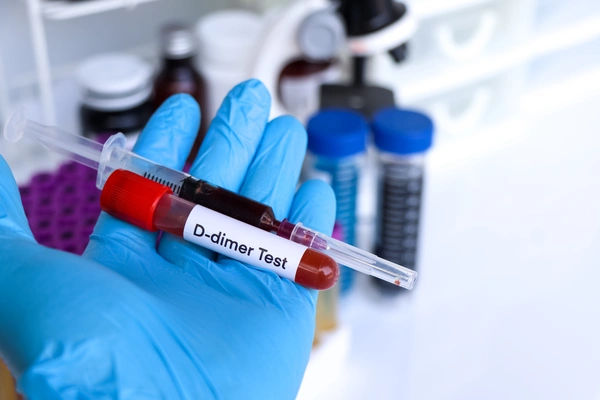
D Dimer Blood Test Overview and Procedure
Discover the D-dimer blood test, its purpose, procedure, and role in detecting blood clot-related conditions such as deep vein thrombosis and pulmonary embolism.

Written by Dr. Siri Nallapu
Reviewed by Dr. Rohinipriyanka Pondugula MBBS
Last updated on 3rd Sep, 2025
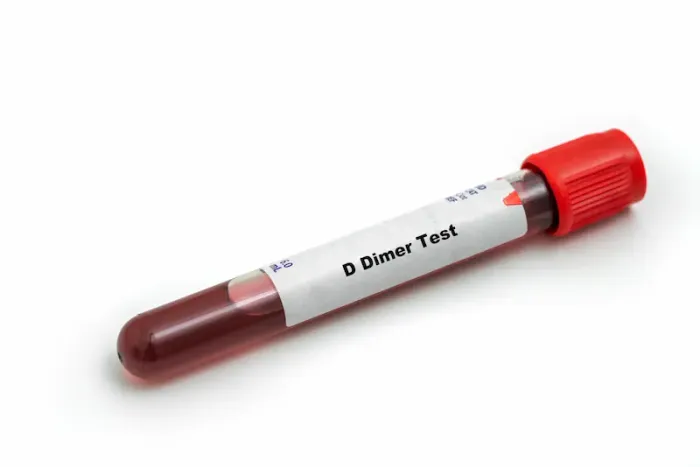
When it comes to diagnosing blood clotting disorders, the D-Dimer blood test plays a crucial role. If you or a loved one has been advised to take this test, you might have questions about what it is, why it’s needed, and what to expect. This article will guide you through everything you need to know in simple, easy-to-understand terms.
What is a D-Dimer Blood Test?
The D-Dimer test is a blood test that checks for the presence of D-Dimer, a protein fragment produced when a blood clot dissolves in your body. Normally, clots form to stop bleeding, but sometimes they can develop unnecessarily and cause serious health problems.
This test helps doctors determine if you have an abnormal blood clotting condition, such as:
• Deep Vein Thrombosis (DVT) – A clot in a deep vein, usually in the legs.
• Pulmonary Embolism (PE) – A clot that travels to the lungs.
• Disseminated Intravascular Coagulation (DIC) – A severe condition where clots form throughout the body.
Consult a Top Specialist
Why is the D-Dimer Test Done?
Your doctor may recommend a D-Dimer test if you have symptoms that suggest a blood clotting disorder, such as:
• Leg pain, swelling, or redness (possible DVT)
• Sudden shortness of breath, chest pain, or coughing up blood (possible PE)
• Unusual bleeding or bruising (possible DIC)
Since D-Dimer levels rise when clots form and break down, this test helps rule out dangerous clotting conditions.
How is the D-Dimer Test Performed?
The procedure is simple and quick:
1. Blood Sample Collection – A healthcare professional will draw blood from a vein in your arm, usually from the inside of your elbow.
2. Lab Analysis – The sample is sent to a lab to measure D-Dimer levels.
3. Results – Your doctor will interpret the results and discuss them with you.
The test takes only a few minutes, and you can resume normal activities immediately afterward.
Get Your Health Assessed

Understanding Your D-Dimer Test Results
• Normal Result (Negative D-Dimer) – Means it’s unlikely you have an abnormal clotting disorder.
• High Result (Positive D-Dimer) – Indicates possible clot formation, but further tests (like ultrasound or CT scans) may be needed for confirmation.
Note: A high D-Dimer level doesn’t always mean a clot is present—other conditions like infections, pregnancy, or recent surgery can also raise D-Dimer levels.
How to Prepare for the Test?
• No special preparation (fasting) is usually required.
• Inform your doctor about any medications or supplements you’re taking, as some can affect results.
Tips for Managing Blood Clot Risks
If you’re at risk for clotting disorders, consider these lifestyle changes:
• Stay Active – Regular movement improves blood circulation.
• Stay Hydrated – Drinking water helps prevent clot formation.
• Avoid Prolonged Sitting – Take breaks if you sit for long hours.
• Maintain a Healthy Weight – Reduces pressure on veins.
• Quit Smoking – Smoking increases clotting risks.
When to See a Doctor?
Seek immediate medical help if you experience:
• Sudden leg pain/swelling
• Chest pain or difficulty breathing
• Unexplained bleeding or bruising
Book a D-Dimer Test with Apollo 24|7
If your doctor has recommended a D-Dimer test, you can easily book it through Apollo 24|7. Our trusted labs ensure accurate results with minimal waiting time.
Final Thoughts
The D-Dimer test is a valuable tool in detecting abnormal blood clots early. While a positive result can be concerning, it’s important to follow up with your doctor for further evaluation. By staying informed and proactive, you can take better control of your health. If you have any concerns about clotting disorders or need to schedule a test, don’t hesitate to reach out to a healthcare professional.
Consult a Top Specialist
Consult a Top Specialist


Dr. Syed Ismail Ali
General Practitioner
7 Years • MBBS
Hyderabad
Apollo 24|7 Clinic, Hyderabad

Dr D M Karthik
General Practitioner
4 Years • MBBS, Fellowship in Diabetes Mellitus, Advance certificate in Diabetes Mellitus, Derma Nutrition Certification
Visakhapatnam
Apollo 24|7 Clinic - Andhra Pradesh, Visakhapatnam

Dr. Mohammed Kamran
General Practitioner
5 Years • MBBS, FIDM
Nashik
Apollo 24|7 Clinic - Maharashtra, Nashik

Dr. Suraja Nutulapati
General Physician/ Internal Medicine Specialist
10 Years • MBBS, MD (Internal Medicine)
Hyderabad
Apollo 24|7 Clinic, Hyderabad

(1025+ Patients)

Dr. Chaithra H
General Physician/ Internal Medicine Specialist
6 Years • MBBS, MD General Medicine, DNB General Medicine
Bangalore
Apollo 24|7 Clinic - Karnataka, Bangalore
Consult a Top Specialist
Dr. Syed Ismail Ali
General Practitioner
7 Years • MBBS
Hyderabad
Apollo 24|7 Clinic, Hyderabad
Dr D M Karthik
General Practitioner
4 Years • MBBS, Fellowship in Diabetes Mellitus, Advance certificate in Diabetes Mellitus, Derma Nutrition Certification
Visakhapatnam
Apollo 24|7 Clinic - Andhra Pradesh, Visakhapatnam
Dr. Mohammed Kamran
General Practitioner
5 Years • MBBS, FIDM
Nashik
Apollo 24|7 Clinic - Maharashtra, Nashik
Dr. Suraja Nutulapati
General Physician/ Internal Medicine Specialist
10 Years • MBBS, MD (Internal Medicine)
Hyderabad
Apollo 24|7 Clinic, Hyderabad
(1025+ Patients)
Dr. Chaithra H
General Physician/ Internal Medicine Specialist
6 Years • MBBS, MD General Medicine, DNB General Medicine
Bangalore
Apollo 24|7 Clinic - Karnataka, Bangalore
Get Your Health Assessed
₹1429(₹3573)60% off