

Chikungunya Test and Diagnosis Overview
Learn how chikungunya is diagnosed, including RT-PCR, ELISA, and rapid tests. Understand symptoms, when to get tested, and how early diagnosis helps in better management and care.

Written by
Last updated on 1st Sep, 2025
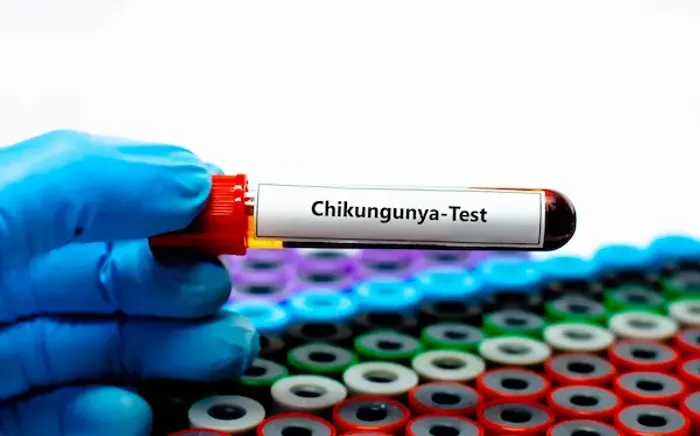
If you or a loved one is experiencing sudden high fever, severe joint pain, and fatigue, you might be worried about chikungunya. This mosquito-borne viral infection can be quite uncomfortable, but early diagnosis and proper care can help manage symptoms effectively.
In this article, we’ll explain everything you need to know about chikungunya testing and diagnosis, including symptoms, causes, and how to get tested.
What is Chikungunya?
Chikungunya is a viral disease spread by Aedes mosquitoes, the same mosquitoes that transmit dengue and Zika. The name "chikungunya" comes from an African word meaning "to become contorted", referring to the severe joint pain it causes.
While it is rarely life-threatening, the symptoms can be debilitating and last for weeks or even months. Early diagnosis helps in managing the condition better.
Common Symptoms of Chikungunya
The symptoms usually appear 3 to 7 days after being bitten by an infected mosquito. The most common signs include:
- High fever (sudden onset, often above 102°F)
- Severe joint pain (especially in hands, wrists, ankles, and knees)
- Muscle pain
- Headache
- Fatigue
- Rash (red patches on the skin)
- Nausea or vomiting
Some people may also experience swollen joints or eye pain. While most recover within a week or two, joint pain can persist for months in some cases.
When Should You Get Tested for Chikungunya?
If you experience sudden high fever with joint pain, especially if you live in or have recently traveled to an area with mosquito-borne diseases, you should consider getting tested.
Testing is particularly important if:
- You have symptoms similar to dengue (since both diseases share common signs).
- You are pregnant, elderly, or have a weak immune system (higher risk of complications).
- Your symptoms are severe or not improving.
How is Chikungunya Diagnosed?
Since chikungunya symptoms can resemble other diseases like dengue or Zika, doctors recommend specific tests for confirmation. The most common diagnostic tests include:
1. RT-PCR Test (Polymerase Chain Reaction)
- Best for early detection (within the first 7 days of symptoms).
- Detects the virus’s genetic material in the blood.
- Highly accurate in the initial phase.
2. ELISA Test (Serology Test)
- Detects antibodies (IgM and IgG) produced by the body in response to the infection.
- IgM antibodies appear 3-5 days after infection and last for weeks.
- IgG antibodies develop later and may remain for years.
- Useful if symptoms have been present for more than a week.
3. Rapid Diagnostic Tests (RDTs)
- Provides quick results (within 15-30 minutes).
- Less accurate than RT-PCR or ELISA but helpful in urgent cases.
- Your doctor will decide which test is best based on how long you’ve had symptoms.
How to Prepare for a Chikungunya Test?
- No special preparation is needed.
- A small blood sample will be taken from your arm.
- Results are usually available within 24-48 hours (except rapid tests, which give faster results).
What Happens After a Positive Diagnosis?
There is no specific antiviral treatment for chikungunya, but the following steps can help manage symptoms:
- Rest and hydration – Drink plenty of fluids to avoid dehydration.
- Pain relief – Over-the-counter painkillers like paracetamol (acetaminophen) can help with fever and joint pain.
- Avoid NSAIDs (like ibuprofen or aspirin) until dengue is ruled out (they can increase bleeding risk).
- Cold compresses – Helps reduce joint swelling.
- Gentle exercises – Prevents stiffness in joints.
In rare cases, complications like persistent arthritis, neurological issues, or heart problems may occur. If symptoms worsen, consult a doctor immediately.


How to Prevent Chikungunya?
Since there is no vaccine for chikungunya, prevention is key:
- Avoid mosquito bites – Use repellents, wear long sleeves, and sleep under mosquito nets.
- Eliminate stagnant water – Mosquitoes breed in standing water (flower pots, buckets, tires).
- Use screens on windows and doors – Prevents mosquitoes from entering homes.
When to See a Doctor?
Seek medical help if:
- Fever lasts more than 5 days.
- Severe joint pain affects daily activities.
- You experience unusual bleeding, confusion, or difficulty breathing.
- Symptoms worsen despite home care.
Book a Chikungunya Test with Apollo 24|7
If you suspect chikungunya, getting tested early can help in better management. Apollo 24|7 offers quick and reliable chikungunya testing with fast results.
Book a test now through the Apollo 24|7 app or website for convenient at-home sample collection or lab visits.
Final Thoughts
Chikungunya can be painful and exhausting, but most people recover fully with proper care. Early diagnosis helps in managing symptoms and preventing complications. If you experience high fever with joint pain, don’t ignore it; get tested and follow medical advice.
Consult a Specialist for Personalised Advice
Consult a Specialist for Personalised Advice


Dr R Rashmitha
General Physician/ Internal Medicine Specialist
3 Years • MBBS, MD General Medicine
Hyderabad
Apollo 247 Virtual Clinic, Hyderabad

Dr D M Karthik
General Practitioner
4 Years • MBBS, Fellowship in Diabetes Mellitus, Advance certificate in Diabetes Mellitus, Derma Nutrition Certification
Visakhapatnam
Apollo 24|7 Clinic - Andhra Pradesh, Visakhapatnam

Dr. Hrishikesh Shivakumar
General Physician/ Internal Medicine Specialist
9 Years • MBBS, MD (GENERAL MEDICINE)
Bangalore
Apollo 24|7 Clinic - Karnataka, Bangalore

(100+ Patients)

Dr Summaiya Banu
General Practitioner
8 Years • MBBS
Hyderabad
Apollo 24|7 Clinic, Hyderabad
(300+ Patients)

Dr. Md Yusuf Shareef
General Practitioner
8 Years • MBBS, Advanced Certificate Course in Dermatology
Hyderabad
Apollo 24|7 Clinic, Hyderabad